Dreaming of waking up to epic views in Yosemite or Zion? Here’s everything you need to know before you rent an RV for the adventure of a lifetime.
There’s a certain kind of magic that’s unique to the American road trip. It’s the feeling of freedom as the landscape transforms outside your window, the hum of the tires on asphalt, and the promise of adventure just over the next horizon. Now, imagine pairing that with the awe-inspiring grandeur of a national park—waking up, brewing coffee, and stepping outside not into a hotel lobby, but into the crisp morning air of Yosemite Valley or the red-rock canyons of Zion. This is the dream that renting an RV promises, and it’s an experience that has completely changed the way I think about travel.
But let’s be honest for a second. For every dreamy Instagram photo of a perfectly parked RV against a sunset, there’s a story of logistical hurdles that had to be cleared first. I’ve learned that the key to a truly blissful RV trip isn’t just spontaneity; it’s thoughtful planning. It’s about knowing which questions to ask, what to book, and when to book it. It’s about understanding the delicate dance between the freedom you’re chasing and the real-world rules of the road and the parks.
So, if you’ve ever found yourself daydreaming about this kind of adventure, you’re in the right place. We’re going to walk through everything you need to know to turn that dream into a reality, ensuring your first (or next) RV journey is as smooth and spectacular as you’ve imagined.
Why an RV is the Perfect Way to See the Parks
Before we get into the nitty-gritty, let's just take a moment to appreciate why an RV is such a brilliant way to explore the national parks. The biggest advantage, in my opinion, is that your home base moves with you. There’s no need to pack and unpack every time you move to a new location. After a long, soul-satisfying day of hiking, your own bed, a hot shower, and a kitchen stocked with your favorite snacks are just steps away. This level of convenience is a game-changer, allowing you to spend less time on logistics and more time soaking in the beauty around you.
Then there’s the simple, profound joy of being in the park. While hotels can be miles away, an RV allows you to camp right in the heart of it all. You can be the first one on the trail in the morning to catch the sunrise and the last one to watch the stars come out, all without having to worry about a long drive back in the dark. It fosters a much deeper connection to the natural rhythm of the place you’re visiting.
And while the upfront cost of a rental might seem high, it can often be a surprisingly economical choice. When you factor in the money saved by cooking your own meals instead of eating out three times a day, and the fact that campground fees are almost always cheaper than hotel rooms, the numbers start to look very appealing. For families or groups, these savings can be substantial, making a grand tour of the parks more financially accessible.
Choosing Your Home on Wheels: A Guide to RV Types
The first major decision you'll make is what kind of RV to rent. This choice will impact your budget, your driving experience, and, most importantly, where you can go. The main types you’ll encounter are Class A, Class C, and Class B motorhomes. Class A’s are the bus-sized behemoths—luxurious and spacious, but their size can be a major liability in national parks, where winding roads and small campsites are common.
For most national park adventures, a Class C or Class B is the way to go. A Class C is the classic RV with the bed over the cab. They offer a great middle ground of amenities and space without being too terrifying to drive. A Class B, often called a camper van, is the most nimble option. It drives like a large van, is easy to park, and can go almost anywhere a car can. What you sacrifice in space, you gain in flexibility and ease of use.
Here’s the most critical piece of advice I can give you: size matters. Many national park campgrounds have strict RV length limits, often capping at around 27 to 35 feet. Some of the most desirable, older campgrounds have even smaller limits. Before you fall in love with a specific RV, check the regulations for the parks on your itinerary. There is nothing worse than arriving at a park and finding out your rig is too big for the campsite you booked or the scenic road you planned to drive. When in doubt, go smaller.
Where to Rent and How to Book Your Spot
The RV rental market has exploded in recent years. You have your traditional rental companies like Cruise America and El Monte RV, which operate like car rental agencies with large fleets of standardized vehicles. They are a reliable, if sometimes less personal, option. Then you have the peer-to-peer platforms like Outdoorsy and RVshare, which are essentially the Airbnb for RVs. These platforms allow you to rent directly from RV owners, offering a massive variety of unique vehicles, from vintage Airstreams to fully-equipped modern vans.
No matter where you rent, the next step is booking your campsites, and this requires planning. National park campgrounds are notoriously popular and can be fully booked six months to a year in advance, especially in iconic parks like Yosemite, Zion, and Yellowstone. Reservations are typically made through Recreation.gov. Be ready to book the very morning the reservation window opens for your desired dates.
If you strike out on getting a spot inside the park, don't despair. There are often private campgrounds and national forest lands just outside the park boundaries that can serve as a great alternative. They might even offer more amenities, like full hookups (water, electricity, and sewer), which are a rarity in most national park campgrounds. Be prepared for "dry camping" (camping without hookups) by knowing how to conserve your water and battery power.
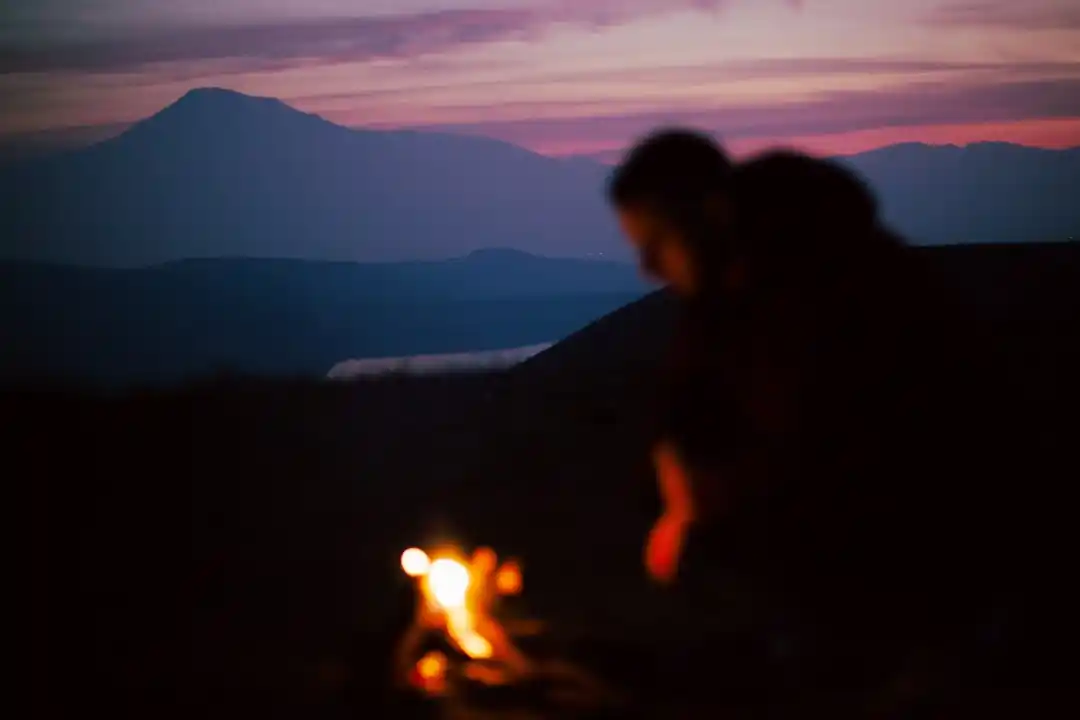
Pro Tips for a Smooth Adventure
Once you’re on the road, a few extra tips can make all the difference. First, embrace the park shuttles. Driving and parking a large vehicle inside a crowded national park can be a nightmare. Park your RV at your campsite and use the free shuttle buses that most major parks offer to get to trailheads and popular viewpoints.
Second, always practice Leave No Trace principles. This is non-negotiable. Our parks are precious resources, and it’s our job to protect them. This means packing out everything you pack in, respecting wildlife from a safe distance, and staying on designated trails. For RVers, it also means being a good neighbor by respecting quiet hours and minimizing generator use.
Finally, before you even leave the rental lot, get a thorough walkthrough of your RV. Make sure you understand how to operate all the systems: the water pump, the heater, the stove, and, yes, how to dump the wastewater tanks. It might feel awkward to ask, but it’s far better to learn in the parking lot than to figure it out on your own in the middle of nowhere.
An RV trip through our national parks is more than just a vacation; it’s an immersion. It’s a chance to disconnect from the noise of daily life and reconnect with something more fundamental. It’s about the shared stories around a campfire, the collective gasp at a stunning vista, and the quiet satisfaction of a day well spent in nature. It takes a bit of planning, for sure, but the memories you’ll make are worth every bit of the effort. I hope your own journey is filled with wonder.
Zion's Gateways: Choosing the Best Airport for Your National Park Adventure
The Yellowstone Question: How Many Days Do You Really Need?

Related Posts
 TRANSPORT
Beyond the Highway: Finding Canada's Soul on a Western Rail Adventure
Forget road trips. I'm talking about rediscovering the romance of travel on Via Rail's most scenic routes through the heart of the Canadian West. It’s an experience that changes you.
 TRAVEL TIPS
The Unwritten Rules of the North: What to Know Before Camping in Canada
Heading to the Great White North for a camping trip? It's an amazing idea. But from campfire etiquette to wildlife wisdom, here’s what you need to know before you go.

Popular Posts

Rethinking Non-Profit Promotion: Creative Strategies That Actually Drive Event Impact

Beyond Stark White: The Best Interior Paint Colors to Light Up Your New Space

How to Actually Master a New Language on Your Own (No Magic Gene Required)
