That beautiful winter wonderland can be a nightmare to drive in. I'm breaking down why dedicated winter tires are a must-have and which ones will give you the best grip on snow and ice.
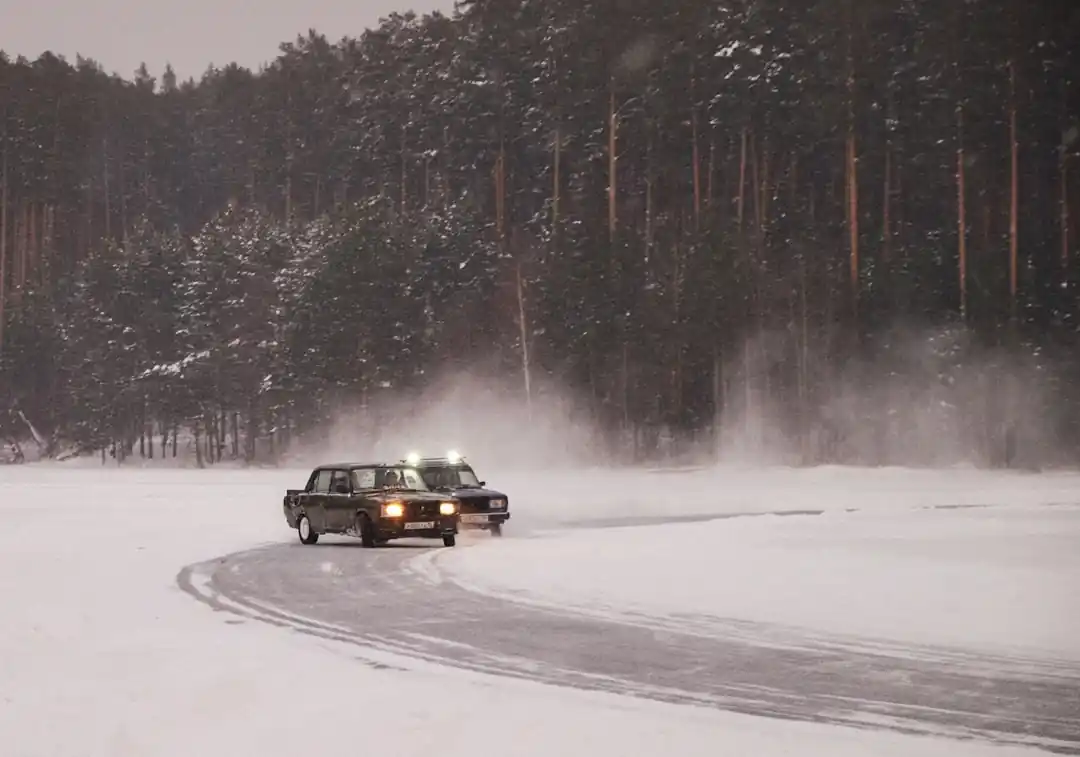
There’s a certain magic to the first real snowfall of the year, isn’t there? The world gets quiet, everything is blanketed in white, and there’s a sense of calm. But as beautiful as it is, that magic can quickly turn into a white-knuckle driving experience. I think we’ve all felt that heart-stopping moment of a slight slip on a patch of black ice or the struggle for traction in deep, unplowed snow. It’s a stark reminder that when temperatures drop, the connection between your car and the road becomes more critical than ever.
For years, I was one of those people who thought, "I have all-wheel drive, my all-season tires are fine." It’s an easy assumption to make. The name itself suggests they’re good for, well, all the seasons. The reality, however, is a hard lesson to learn on a slippery road. All-season tires are a compromise, designed to work reasonably well in a wide range of mild conditions, but they simply aren't built for the harsh realities of heavy snow and ice. Making the switch to a dedicated winter tire isn't just an upgrade; it's a fundamental shift in safety and control.
The Science of Grip: Why Winter Tires Are a Game-Changer
So what actually makes winter tires so different? It really comes down to two key things: the rubber compound and the tread design. Honestly, I found the science behind it fascinating. The rubber on all-season tires starts to harden and lose its flexibility once the temperature dips below 45°F (about 7°C). When a tire gets stiff, it can't conform to the small imperfections in the road surface, which drastically reduces its grip. It’s like trying to run on ice with hard plastic soles instead of flexible rubber ones.
Winter tires, on the other hand, are made with a special silica-enhanced rubber compound that stays soft and pliable even in freezing conditions. This flexibility allows the tire to maintain a much better grip on cold, dry, and wet surfaces. When you add snow and ice to the mix, the difference becomes even more pronounced. This is where the tread design comes into play. Winter tires feature deeper tread depths and thousands of tiny slits called "sipes." These features create countless little "biting edges" that dig into snow and ice, providing the traction you need to accelerate, and more importantly, to stop.
I was reading a report from a major tire manufacturer that said dedicated winter tires can shorten your stopping distance on ice by up to 50% compared to all-seasons. Let that sink in. That’s not a small improvement; it’s the difference between stopping safely and sliding into an intersection. The aggressive tread patterns are also designed to channel snow and slush away from the tire's contact patch, which helps prevent hydroplaning and maintains a firm connection to the road. It’s a complete system designed for one purpose: keeping you safe in the worst conditions.
Top Picks for 2025: The Best Tires to Conquer Snow and Ice
When you start shopping for winter tires, the number of options can be a bit dizzying. But after diving into expert reviews and real-world driver feedback, a few names consistently rise to the top. These are the tires that have proven their mettle in the harshest of conditions, blending cutting-edge technology with reliable performance.
A perennial favorite, and for good reason, is the Bridgestone Blizzak series. The latest models continue to build on a legacy of incredible snow and ice performance. Drivers constantly rave about the sense of confidence they feel with Blizzaks, noting their exceptional grip during acceleration and braking on icy surfaces. Bridgestone uses a proprietary "Multi-Cell" compound that actually helps wick water away from the surface of the ice, allowing the tire to get a better bite.
Another top contender is the Michelin X-Ice Snow. As the name implies, this tire is an absolute beast on ice and in deep snow. Michelin has focused heavily on creating a tread pattern that provides long-lasting grip, meaning the tire performs well even as it wears down. Users often comment on how surprisingly quiet and comfortable the X-Ice Snow is on dry pavement, which is a huge bonus for those days when the weather is clear but still cold. If you live in an area with frequent ice storms, this is a tire that deserves serious consideration.
You can't talk about winter tires without mentioning Nokian. This Finnish company makes some of the most respected snow tires in the world, and the Hakkapeliitta line is their crown jewel. These tires are legendary in the snow belt regions. Whether you choose the studded or studless version (check your local laws on studded tires), the Hakkapeliitta offers a level of grip in extreme conditions that is hard to match. They are an investment, but for those who face severe, prolonged winters, they are often considered the best of the best.
Making the Right Choice for Your Winter
Choosing the right winter tire ultimately comes down to your specific needs. Do you live in an area with lots of deep snow, or is ice the bigger concern? Do you do a lot of highway driving, or is it mostly city streets? Answering these questions will help you narrow down the choices. For instance, if you face a lot of hard-packed snow and ice, a tire like the Michelin X-Ice Snow might be the perfect fit. If you're dealing with deep, unplowed powder, the aggressive tread of a Nokian Hakkapeliitta could be a lifesaver.
Don't forget to consider the cost-benefit analysis. Yes, a set of winter tires is an added expense. But you're not just buying tires; you're buying safety, confidence, and peace of mind. And since you're only using them for a few months out of the year, you're extending the life of your all-season or summer tires. When you look at it that way, the cost becomes much more reasonable.
Ultimately, navigating a snowy landscape is one of the most challenging things we do as drivers. Equipping your vehicle with the right tools for the job is the most responsible thing you can do for yourself, your passengers, and everyone else on the road. That first drive on a fresh set of winter tires is a revelation. The feeling of stability and grip is something you have to experience to truly understand. Stay safe out there, and enjoy the quiet beauty of the winter season.
Before the First Snowfall: Your Essential Guide to Winter-Proofing Your Car
Don't Get Stranded: Your Ultimate Winter Car Emergency Kit

Related Posts
 TRANSPORT
Beyond the Highway: Finding Canada's Soul on a Western Rail Adventure
Forget road trips. I'm talking about rediscovering the romance of travel on Via Rail's most scenic routes through the heart of the Canadian West. It’s an experience that changes you.
 TRAVEL TIPS
The Unwritten Rules of the North: What to Know Before Camping in Canada
Heading to the Great White North for a camping trip? It's an amazing idea. But from campfire etiquette to wildlife wisdom, here’s what you need to know before you go.

Popular Posts

Rethinking Non-Profit Promotion: Creative Strategies That Actually Drive Event Impact

Beyond Stark White: The Best Interior Paint Colors to Light Up Your New Space

How to Actually Master a New Language on Your Own (No Magic Gene Required)
