Nigeria's Vibrant Heartbeat: A Journey Through Its Unforgettable Festivals
Ever wondered what it feels like to be swept away by a tide of color, rhythm, and ancient traditions? Nigeria's festivals offer just that—a truly immersive cultural experience.
When you think of Nigeria, what comes to mind? For many, it’s the bustling energy of Lagos, the rich literary history, or its powerhouse music scene that’s taking over the world. But to truly understand the soul of this West African giant, you have to experience its festivals. Planning a trip around one of these cultural celebrations is, without a doubt, the best way to see the country in its most authentic and vibrant light.
But with a nation as vast and diverse as Nigeria—home to over 250 ethnic groups—pinning down the "best" time to visit can feel like trying to catch smoke. The truth is, there’s almost always something happening somewhere. However, your ideal travel window will depend on what you want to see and experience, as the country’s climate and cultural calendar are split into distinct seasons.
Most travelers find that the dry season, which generally runs from November to March, is the most comfortable time to explore. With less rain, clearer skies, and lower humidity, getting around is significantly easier. It’s no coincidence that this period is also packed with some of the country's most spectacular festivals.
The Peak of Celebration: November to January
If your primary goal is to dive headfirst into Nigeria's most colorful and grand-scale festivals, then aim for the end of the year. This is when the country is buzzing with an infectious, celebratory energy. People return home from all over the world, and the atmosphere is electric with reunions, parties, and, of course, incredible cultural displays.
One of the most unmissable events is the Calabar Carnival. Held throughout the entire month of December in the city of Calabar, it’s often dubbed "Africa's Biggest Street Party." This isn't just a single parade; it's a month-long spectacle of vibrant costumes, non-stop music, and extraordinary dance performances. The energy is absolutely contagious, drawing visitors from across Nigeria and the globe. It’s a modern, high-energy event that showcases a blend of traditional and contemporary Nigerian culture.
For a more traditional, yet equally breathtaking experience, the Durbar Festival in the northern, predominantly Muslim states like Kano, Katsina, and Zaria is a must-see. This festival marks the end of Ramadan (Eid al-Fitr) and the feast of sacrifice (Eid al-Adha), so its timing shifts annually with the Islamic calendar. The festival is a stunning display of horsemanship, where emirs and their entourages parade in magnificent, brightly colored robes and turbans, accompanied by the sounds of trumpets and drums. It’s a powerful and deeply historical ceremony that feels like stepping back in time.
The Rains and the Roots: Mid-Year Festivals
While the dry season gets a lot of the glory, don't discount the "rainy season," which typically lasts from April to October. The landscape transforms into a lush, vibrant green, and while the downpours can be intense, they are often short-lived. This period hosts some of the most significant traditional festivals, deeply connected to the agricultural cycle and ancient customs.
The most famous of these is the New Yam Festival (Iwa Ji), celebrated by the Igbo people primarily in the southeastern part of the country. Taking place at the end of the rainy season, usually in August or September, this festival is a beautiful and profound celebration of the harvest. It’s a time for giving thanks, feasting, and cultural performances, including powerful masquerades. Attending a New Yam Festival offers a deeply authentic glimpse into the spiritual and communal life of the Igbo people.
Another significant event is the Osun-Osogbo Sacred Grove Festival, held in August in the city of Osogbo. This two-week festival is a pilgrimage to honor the river goddess Osun, and it culminates in a vibrant procession led by a virgin calabash-bearer to the sacred grove, a UNESCO World Heritage site. It’s a deeply spiritual and visually stunning event that attracts thousands of devotees and tourists alike.
Finding Your Perfect Festival Season
So, when is the best time to go?
If you're looking for a high-energy, party atmosphere with generally good weather for travel, December and January are your best bet. You can catch the tail end of the Calabar Carnival and soak in the festive holiday spirit that envelops the country. This is also a great time for wildlife viewing in the national parks, as animals gather around water sources.
If you are more interested in deep-rooted cultural traditions and don't mind a bit of rain, consider visiting between August and October. You'll witness harvest festivals that are central to the identity of many communities and see the Nigerian landscape at its most green and fertile.
Ultimately, there is no single "best" time to visit Nigeria for festivals. The country’s cultural calendar is rich and varied year-round. The real question is, what kind of experience are you looking for? Whether it’s the thundering hooves of the Durbar, the pulsating rhythms of Calabar, or the sacred traditions of the New Yam Festival, Nigeria offers a celebration for every season.

Riding the Pulse of Lagos: A First-Timer's Guide to Public Transport
A First-Timer's Guide to Nigeria: Essential Safety Tips for the Savvy Traveler
Related Posts
 TRANSPORT
Beyond the Highway: Finding Canada's Soul on a Western Rail Adventure
Forget road trips. I'm talking about rediscovering the romance of travel on Via Rail's most scenic routes through the heart of the Canadian West. It’s an experience that changes you.
 TRAVEL TIPS
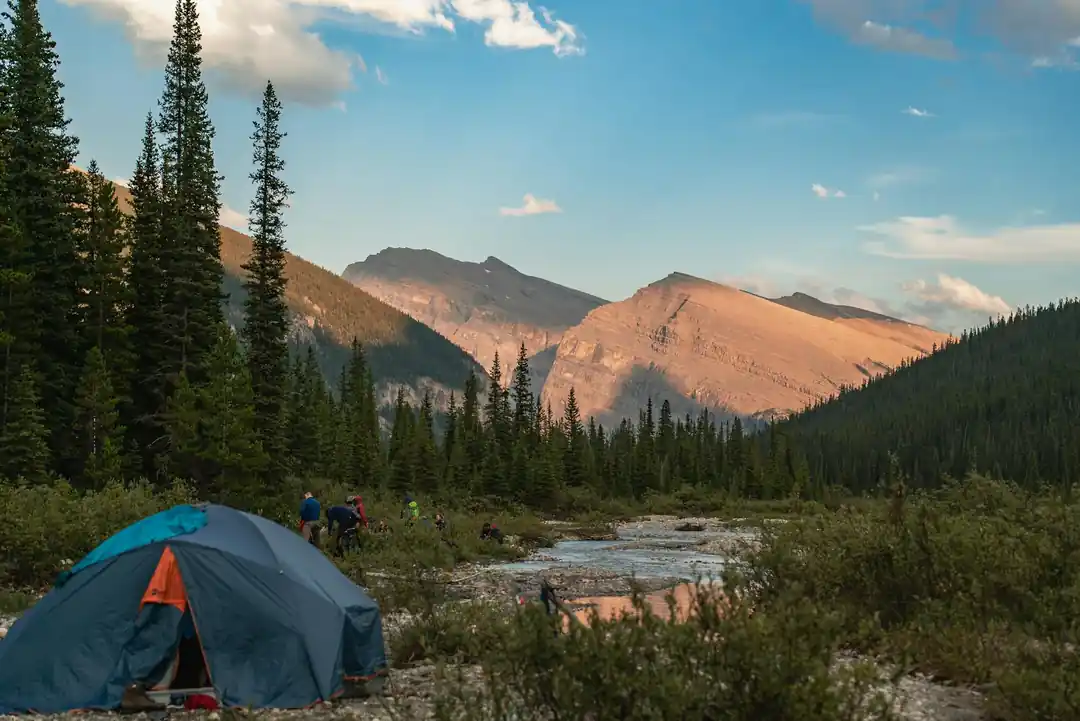
The Unwritten Rules of the North: What to Know Before Camping in Canada
Heading to the Great White North for a camping trip? It's an amazing idea. But from campfire etiquette to wildlife wisdom, here’s what you need to know before you go.

Popular Posts

Rethinking Non-Profit Promotion: Creative Strategies That Actually Drive Event Impact

Beyond Stark White: The Best Interior Paint Colors to Light Up Your New Space

How to Actually Master a New Language on Your Own (No Magic Gene Required)
