Dreaming of waking up to epic mountain views from your bedroom window? A campervan is the key. Here’s everything a US traveler needs to know about renting a home on wheels for the ultimate South Island adventure.
There’s a certain kind of magic that settles in your soul when you’re on the open road in New Zealand’s South Island. It’s in the vast, quiet landscapes that unfold around every bend, the impossibly turquoise lakes that demand you pull over, and the feeling of being wonderfully small against the backdrop of the epic Southern Alps. For years, I saw the photos, read the stories, and dreamed of my own adventure. When I finally did it, I knew there was only one way to truly capture that spirit of freedom: a campervan.
For my fellow Americans, the idea of renting a home on wheels in a country on the other side of the world might feel a little daunting. You’re not just renting a car; you’re choosing your transportation, your accommodation, and your restaurant all in one. It’s a commitment, but it’s one that pays off in dividends of breathtaking sunrises, spontaneous detours, and the unparalleled joy of having the world’s most beautiful backyard.
Honestly, the hardest part of the whole journey is the flight over. Once you’re there, the rhythm of van life takes over. It’s about slowing down, brewing coffee while gazing at a glacier-fed lake, and realizing that the destination is often the journey itself. So, let’s get into the nitty-gritty. I’m here to walk you through everything you need to know to turn that Kiwi road trip dream into a reality, from picking your ride to understanding the rules of the road.
Choosing Your Home on Wheels
First things first, not all campervans are created equal. The options can seem endless, ranging from basic sleepervans (essentially a bed in a van) to luxurious motorhomes that are nicer than my first apartment. Your choice will come down to budget, comfort, and, most importantly, how you plan to camp. The single most important term you need to know is "certified self-contained." This is non-negotiable if you want to experience true freedom camping. A self-contained vehicle has its own toilet, and water storage, meaning you can camp in designated areas without leaving a trace.
Several major rental companies dominate the New Zealand market, like Britz, Maui, and Jucy, each offering a different tier of vehicle. I’ve learned that booking well in advance, especially if you’re traveling during the peak summer season (December to February), is absolutely critical. You’ll not only get a better price but also a much wider selection. Don't just look at the daily rate; consider what's included. Unlimited kilometers are a must, as you’ll be covering more ground than you think.
And let's talk about insurance. It might be tempting to skimp on this, but I strongly advise against it. New Zealand's roads can be narrow and winding, and the last thing you want is a massive bill for a scraped side mirror. Opting for the full, zero-deductible insurance package brings a peace of mind that is, frankly, priceless. It allows you to fully relax and enjoy the drive without constantly worrying about potential mishaps.
Navigating Like a Kiwi: Tips for American Drivers
Alright, let's address the big one: driving on the left side of the road. It feels weird for about a day, and then, surprisingly, it starts to feel normal. My trick was to constantly repeat the mantra, "stay left, look right" every time I got in the driver's seat. The steering wheel is on the right, your rearview mirror feels off, and you’ll probably turn on the windshield wipers when you mean to use your turn signal at least a dozen times. It’s a rite of passage.
Beyond that, there are a few other key differences. Speed limits are in kilometers per hour (km/h), with the open road limit typically being 100 km/h (about 62 mph). However, many roads are single-lane highways, and you’ll encounter countless one-lane bridges, especially on the West Coast. The rule is simple: yield to the direction with the larger, bolder arrow on the sign. It’s a system built on courtesy, something you’ll find is abundant in New Zealand.
Don’t be "that tourist" who holds up a long line of locals. Kiwis are patient, but it’s polite to pull over at designated "slow vehicle bays" and let faster traffic pass. Your campervan is not a race car; it’s a vessel for soaking in the scenery. Embrace the slower pace. Also, be prepared for the roads themselves. They are impeccably maintained but can be incredibly windy and steep. Take your time, use a lower gear on descents, and always be aware of your vehicle's size.
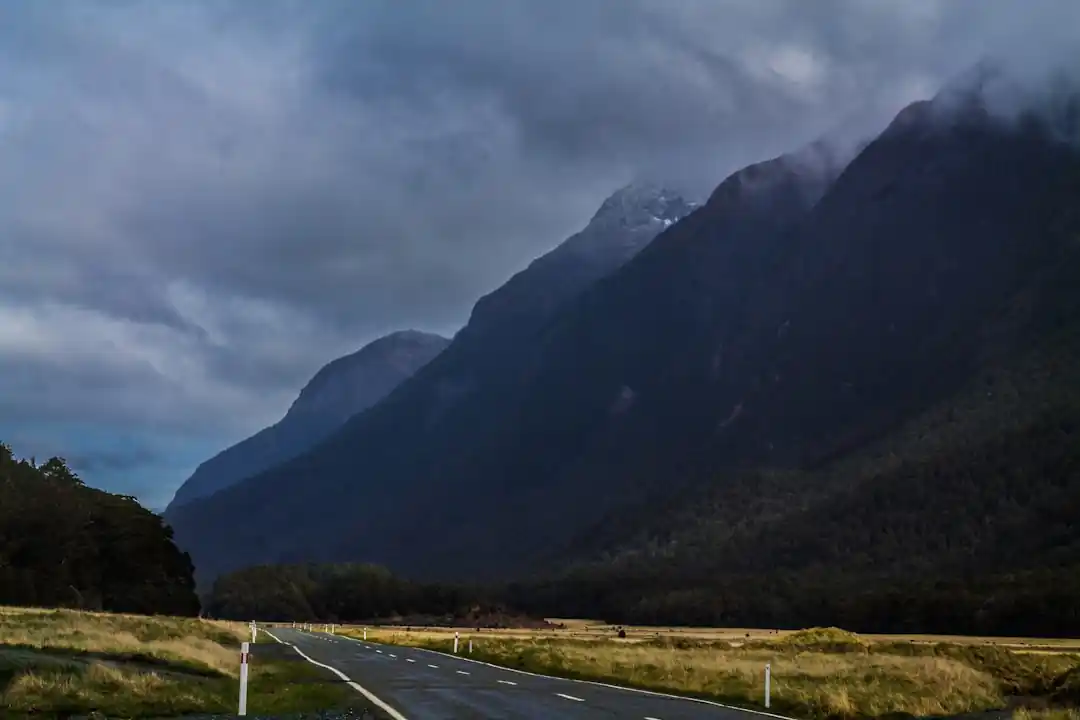
Where to Park It: Freedom Camping vs. Holiday Parks
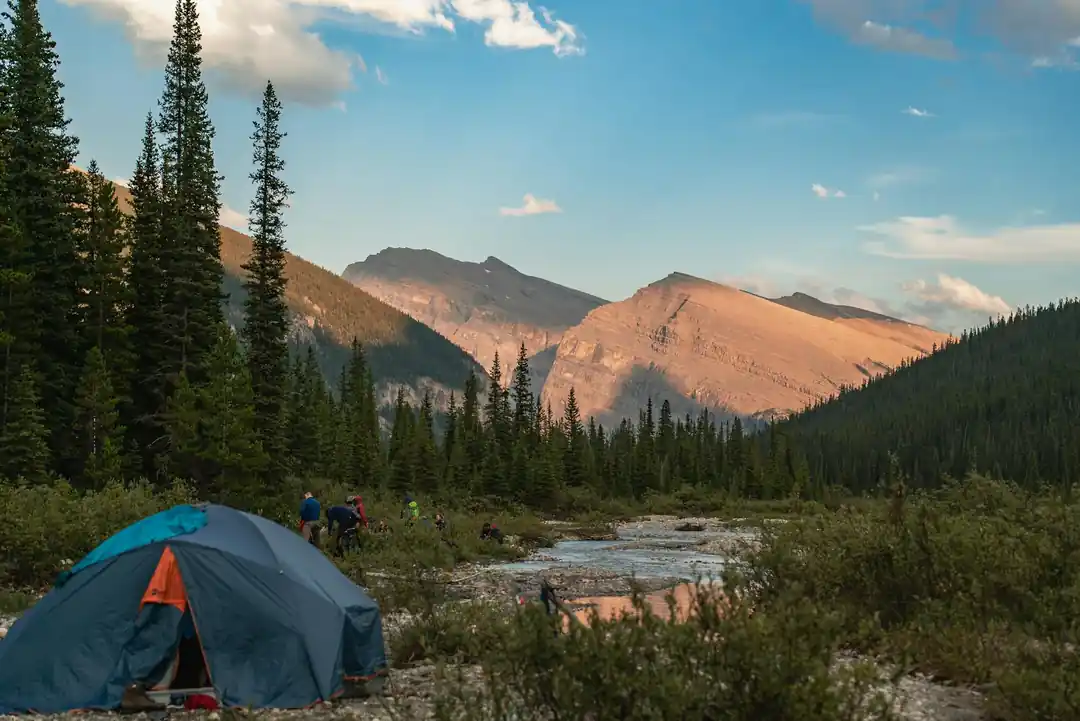
This is where the magic of that self-contained sticker truly shines. New Zealand offers a spectrum of camping options. On one end, you have "freedom camping," which is parking for free in designated public areas. This is not a free-for-all; you can't just pull over anywhere. Local councils have strict rules, and apps like CamperMate and Rankers are essential for finding legal spots and avoiding hefty fines. Waking up alone beside a remote lake is an experience that makes all the planning worthwhile.
On the other end of the spectrum are holiday parks. Think of these as the Kiwi version of a KOA campground. They offer powered sites (so you can plug in your van), full kitchens, hot showers, and laundry facilities. They’re a fantastic way to recharge—both your batteries and your own—every few days. I found a good rhythm was to freedom camp for two or three nights and then check into a holiday park to shower, do laundry, and enjoy the camaraderie of fellow travelers.
In between, you have the incredible network of Department of Conservation (DOC) campsites. These are typically located in stunning natural settings—deep in national parks or along rugged coastlines. They range from basic sites with just a pit toilet to more serviced ones with running water. They are incredibly affordable and offer a more rustic experience than a holiday park while still being more organized than freedom camping. A mix of all three is, in my opinion, the perfect recipe for a South Island road trip.
Your campervan adventure on the South Island will be one of the most memorable trips of your life. It’s a journey that forces you to be present, to connect with the natural world, and to appreciate the simple beauty of a new day dawning over a landscape that has been millions of years in the making. It’s the freedom to chase the sunset, to linger over a morning coffee, and to create a path that is entirely your own. I hope your journey is filled with as much awe and wonder as mine was.
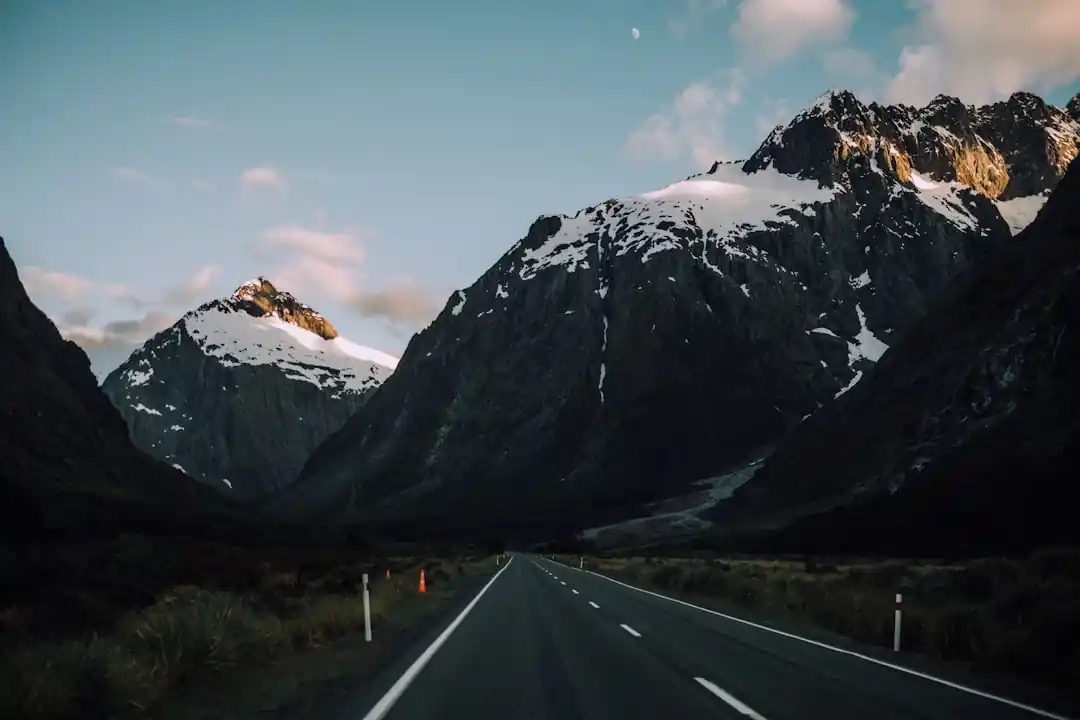
Is It Easy to Get Around New Zealand Without a Car? An Honest Guide
The Backpacker's Guide to New Zealand: How to See Middle-earth on a Budget
Related Posts
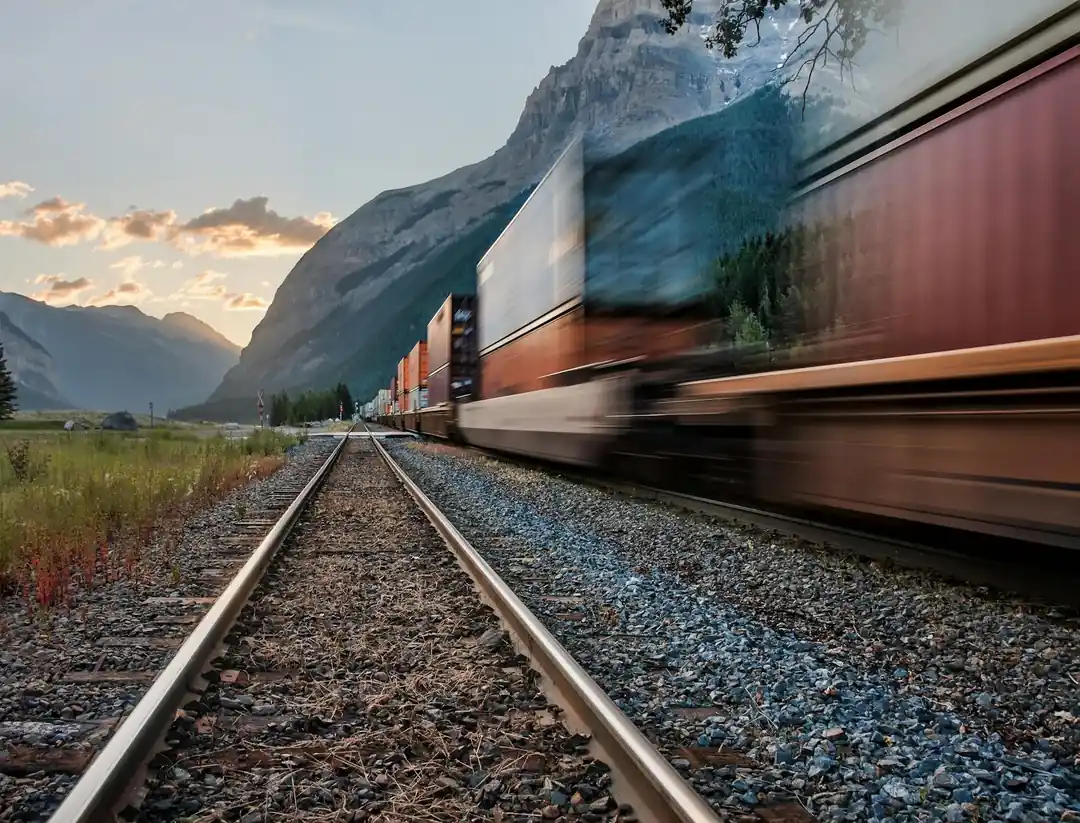 TRANSPORT
Beyond the Highway: Finding Canada's Soul on a Western Rail Adventure
Forget road trips. I'm talking about rediscovering the romance of travel on Via Rail's most scenic routes through the heart of the Canadian West. It’s an experience that changes you.
 TRAVEL TIPS
The Unwritten Rules of the North: What to Know Before Camping in Canada
Heading to the Great White North for a camping trip? It's an amazing idea. But from campfire etiquette to wildlife wisdom, here’s what you need to know before you go.

Popular Posts

Rethinking Non-Profit Promotion: Creative Strategies That Actually Drive Event Impact

Beyond Stark White: The Best Interior Paint Colors to Light Up Your New Space

How to Actually Master a New Language on Your Own (No Magic Gene Required)
