It feels like everyone's talking about crypto, but how do you actually keep it safe? Let's break down how to choose a mobile wallet without getting overwhelmed.
Let's have a real conversation for a minute. Diving into the world of cryptocurrency is an adventure, right? One minute you're reading about the future of finance, and the next you're the proud owner of a digital asset that lives somewhere in the cloud. It's exciting, but it also comes with a new kind of responsibility that can feel, frankly, a little heavy. The question I get asked most often, and one I’ve spent countless hours researching for my own peace of mind, is: "How do I keep my crypto safe on my phone?"
It’s a valid concern. We live on our phones, so a mobile wallet is the most practical option for many of us. But we've all seen the headlines about hacks and scams. The sheer number of wallet apps in the store, each one shouting about its features, can cause a serious case of analysis paralysis. I remember feeling that way—a mix of excitement and a low-key fear that I’d make one wrong move and lose everything.
The good news is that choosing a secure mobile wallet doesn't have to be a nightmare. It’s about understanding a few key principles and knowing what to look for. It’s less about finding a single "perfect" app and more about building a personal security system that works for you. So, grab a coffee, and let's walk through this together. We're going to turn that anxiety into confidence.
The First Big Question: Who Really Holds the Keys?
Before we get into specific features, we have to talk about the most fundamental concept in crypto security: who holds your "private keys." Think of a private key as the master password to your funds. Whoever has it has total control. This leads to the first and most important decision you'll make: choosing between a custodial and a non-custodial wallet.
A custodial wallet is one where a third party (like a major crypto exchange) holds the private keys for you. It's convenient, for sure. If you forget your password, you can probably reset it, just like with your bank account. But this convenience comes with a massive trade-off. You are trusting that company with your assets, and you're subject to their rules, their security, and their potential points of failure. The old crypto saying, "not your keys, not your coins," was born from this reality.
A non-custodial wallet, on the other hand, puts you in complete control. The wallet software generates the private keys on your device, and they never leave it. You, and only you, have access. This is true financial sovereignty. It means no one can freeze your account or lose your funds in a corporate-level hack. However, it also means the responsibility is entirely on you. If you lose your device and your backup recovery phrase, your crypto is gone forever. For many in the US who value self-reliance, this is the preferred path, but it's a path that demands respect and diligence.
Must-Have Security Features to Scrutinize
Once you've decided to go the non-custodial route (which I strongly recommend for anyone serious about security), the real vetting process begins. Not all non-custodial wallets are created equal. You need to put on your detective hat and look for specific, non-negotiable security features.
First, check if the wallet's code is open-source. This is a big one. Open-source means that the programming code is publicly available for anyone to inspect. Why does this matter? It allows security experts from all over the world to audit the code for vulnerabilities, ensuring that there are no hidden backdoors or critical flaws. A wallet with closed-source, proprietary code is a black box; you have no choice but to trust the company's claims. With open-source software, you're trusting a global community of developers to keep things honest.
Next, dig into the backup and recovery options. A good wallet will guide you through the process of creating a "seed phrase" or "recovery phrase" during setup. This is typically a list of 12 or 24 random words that can be used to restore your wallet on a new device if your phone is lost, stolen, or broken. How you handle this phrase is critical (more on that later), but the wallet itself should make this process clear and mandatory. If a wallet doesn't emphasize this, it's a major red flag.
Finally, look for basic but essential app-level security. Does the wallet require a PIN or biometric authentication (like a fingerprint or Face ID) every time you open it or send a transaction? This simple step prevents someone who gets ahold of your unlocked phone from immediately draining your funds. It seems obvious, but it's a crucial layer of everyday protection.
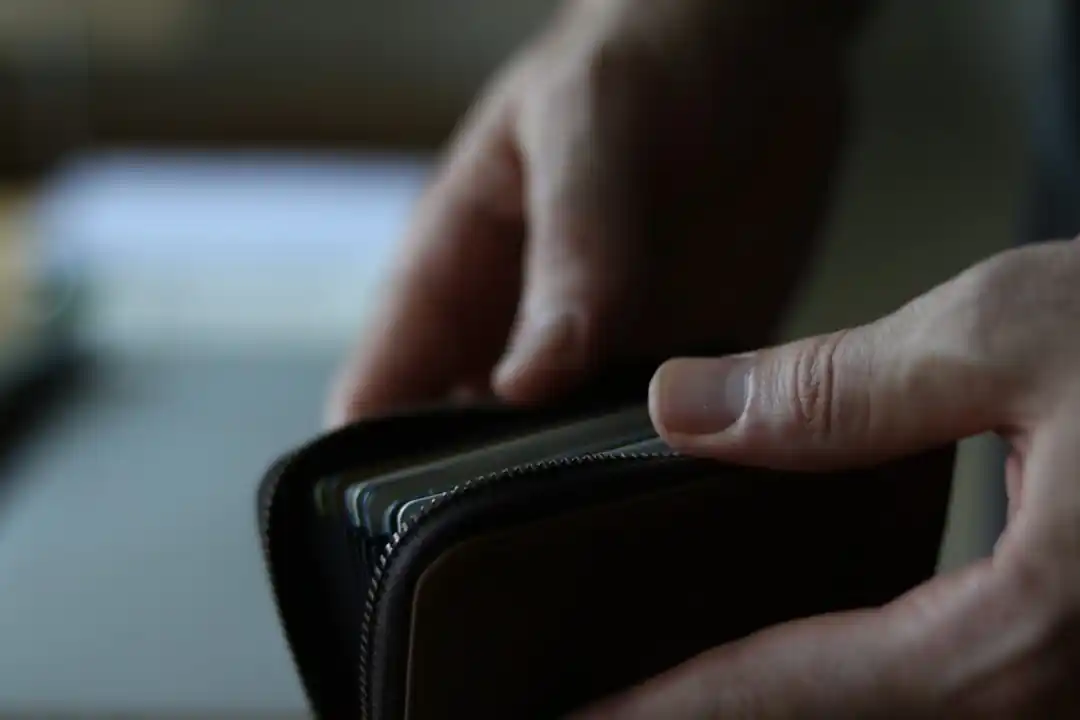
Your Personal Security Is the Final Layer
Here's a hard truth: you can pick the most secure, battle-tested wallet in the world, but if your personal security habits are weak, it won't matter. The wallet is the vault, but you are the gatekeeper. The biggest threats often aren't sophisticated hacks, but simple human error or falling for a scam.
The most important task you have is to protect your recovery phrase. Write it down on paper. Never, ever store it in a digital format—no photos, no notes app, no email drafts, no cloud storage. Digital storage is a target. Store your physical paper copy somewhere safe from fire and water, like a home safe or a safety deposit box. Some people even stamp the words into metal plates to ensure they survive anything. It might sound extreme, but this phrase is the key to your entire crypto life.
Beyond that, practice good digital hygiene. Keep your phone's operating system and your wallet app constantly updated to ensure you have the latest security patches. Be obsessively suspicious of unsolicited emails, text messages, or social media DMs related to your crypto—phishing scams are rampant and getting more sophisticated every day. And for goodness sake, use a unique, strong password for any related accounts and enable two-factor authentication (2FA) using an app like Google Authenticator, not SMS.
Choosing a secure mobile wallet is a journey, not a destination. It's about taking control of your digital assets and your financial future. It requires a bit of research and a lot of personal responsibility, but the peace of mind that comes from knowing you've built a secure home for your crypto is priceless. You've got this.

The Unbreakable Alliance: How AI and Blockchain Are Forging a New Era of Security
The Fortress in Your Pocket: Unpacking the Security of Blockchain Smartphones

Related Posts
 MOBILE
The Great Console Debate: How to Choose the Right Gaming System for Your Family
Feeling stuck between a Switch, a PlayStation, and an Xbox? Let's break down which gaming console is the perfect fit for your family's game nights.
 MOBILE
From Fragile to Formidable: The Surprising Evolution of Foldable Phone Durability
Remember when the idea of folding a smartphone screen in half felt like a disaster waiting to happen? Let's talk about how far they've come, because the story is pretty incredible.

Popular Posts

Rethinking Non-Profit Promotion: Creative Strategies That Actually Drive Event Impact

Beyond Stark White: The Best Interior Paint Colors to Light Up Your New Space

How to Actually Master a New Language on Your Own (No Magic Gene Required)
