Is Investing in a Daycare Franchise a Good Idea? A Deep Dive
Thinking about buying a daycare franchise? It’s a huge decision. Let's talk about the real pros, cons, and what the market in the US actually looks like.
Let’s be honest, the thought of owning a business that genuinely makes a difference is pretty compelling. And when you start looking into it, the idea of investing in a daycare franchise often pops up. It feels like the perfect blend of heart and business—you get to shape young minds and (hopefully) build a profitable enterprise. But is it really that straightforward? I’ve been digging into this question, and the answer is a lot more nuanced than a simple yes or no.
The world of childcare is massive, and the need for it feels more critical than ever. We see it all around us: friends, family, and colleagues all trying to juggle careers and parenthood, constantly searching for a safe, nurturing, and enriching place for their kids. This isn't just a business; it's a fundamental piece of our societal infrastructure. So, diving into this industry, especially through a franchise model, seems like a solid plan on the surface. But what does it really take, and what are the realities you need to face before writing that very large check?
The Unmistakable Demand in the Childcare Market
You don't need a market research report to know that the demand for quality childcare in the US is enormous (though the data certainly backs it up). The number of dual-income households isn't just a statistic; it's the reality for millions of American families. For these parents, reliable childcare isn't a luxury—it's the essential service that allows them to maintain their careers and provide for their families. This creates a baseline of demand that is incredibly stable and resilient, even when the economy gets a little shaky.
But it’s not just about having a place to drop the kids off anymore. Parents today are more informed and intentional than ever. They’re not just looking for babysitters; they’re looking for educators. There's a growing, and I think wonderful, understanding of just how crucial the first few years of a child's life are for their long-term development. This has fueled a demand for daycares that offer structured, play-based learning curriculums. They want to see their children developing social skills, learning foundational concepts, and being genuinely stimulated, not just supervised.
This shift is a huge opportunity. It means that a high-quality daycare center—one that focuses on early childhood education—can truly stand out. The market is projected to grow significantly in the coming years, which is a strong signal for anyone considering an investment. It’s a field where providing genuine quality and a thoughtful program isn't just good for the children; it's a powerful business advantage.
Why the Franchise Model Is So Appealing
So, you're sold on the need for childcare. The next big question is, do you start from scratch or buy into a franchise? Honestly, the idea of building a daycare from the ground up is daunting. You’d be responsible for everything: developing a curriculum, creating a brand, figuring out all the operational logistics, and navigating a maze of state and local regulations. It’s a mountain of work that requires a very specific and broad set of skills.
This is where the franchise model starts to look incredibly attractive. When you buy a franchise, you're not just buying a name; you're buying a proven system. You get a business-in-a-box, complete with a pre-packaged curriculum, established brand recognition, and a detailed operational playbook. I’ve read that many new business owners fail because they have to figure everything out on their own, and a franchise essentially removes a huge chunk of that guesswork.
The support system is another massive plus. Most reputable daycare franchises offer extensive training for new owners, covering everything from financial management to educational best practices. They provide ongoing support, marketing materials, and a network of other franchisees you can lean on for advice. This built-in community and expert guidance can be the difference between struggling to stay afloat and confidently growing your business. It allows you to focus more on what probably drew you to the business in the first place: creating a wonderful environment for children.
The Hard Reality of Costs and Challenges
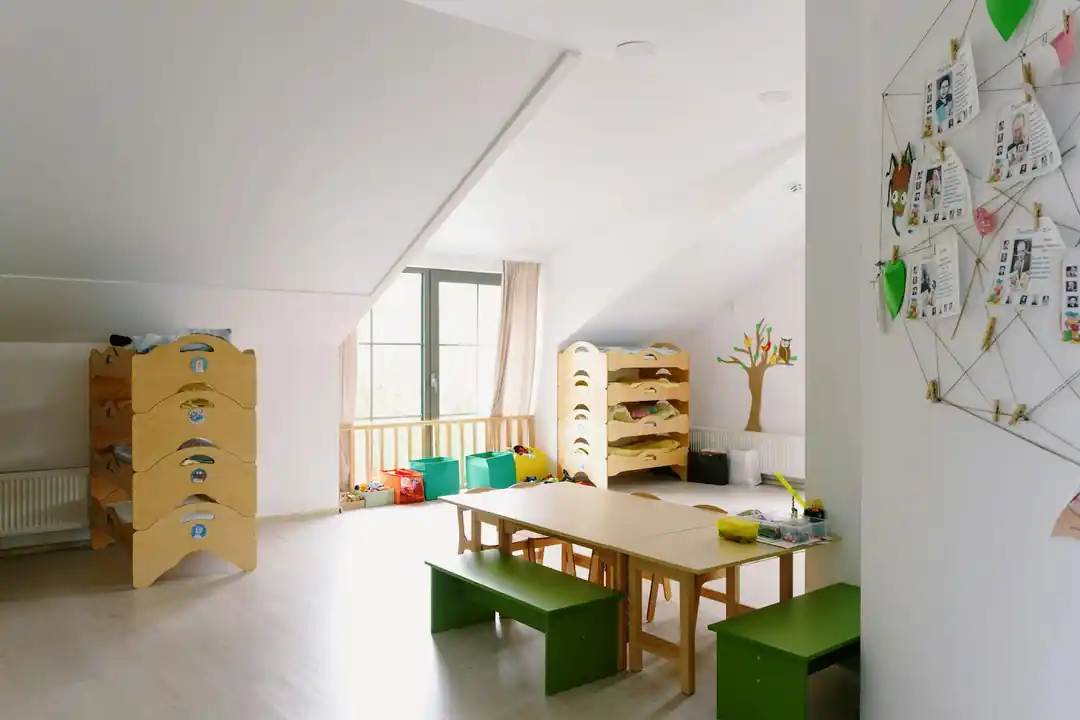
Okay, let's talk about the elephant in the room: the cost. Investing in a daycare franchise is not a small undertaking. The initial investment can be substantial, often running into the hundreds of thousands, and sometimes even over a million dollars. This covers the franchise fee, the cost of securing and renovating a suitable property (which has its own strict requirements), purchasing furniture and equipment, licensing fees, and initial marketing. It’s a serious financial commitment that requires careful planning and access to significant capital.
And the costs don't stop once you open the doors. You'll have ongoing royalty fees to the franchisor, which are typically a percentage of your revenue. Then there are the operational costs, with staffing being one of the biggest and most challenging line items. Finding, training, and, most importantly, retaining high-quality, passionate educators is a constant effort. The childcare industry is known for high turnover, and creating a positive work environment with competitive pay is crucial for maintaining the quality and consistency that parents expect.
On top of all that, you're operating in a highly regulated industry. The health, safety, and educational standards are rigorous, as they should be. Staying compliant with all the state and local regulations requires meticulous record-keeping and constant vigilance. While the franchise will provide guidance, the ultimate responsibility falls on you as the owner. It’s a layer of complexity that you have to be prepared to manage diligently.
So, Is It the Right Move for You?
After looking at it from all sides, it’s clear that investing in a daycare franchise can be a fantastic opportunity, but it’s not for everyone. The market demand is undeniably strong, and the franchise model provides a level of support and structure that can dramatically increase your chances of success. You’re stepping into a business with a proven track record and a brand that parents may already know and trust.
However, you have to go into it with your eyes wide open to the financial realities and the operational challenges. It requires a significant investment, a willingness to follow a prescribed system, and a true passion for early childhood education. This isn't a passive investment; it's a hands-on business that demands your time, energy, and heart.
Ultimately, the decision comes down to a personal calculation. If you have the financial resources, a strong work ethic, and a genuine desire to make a positive impact on your community, then a daycare franchise could be an incredibly rewarding path. It’s a chance to build a meaningful legacy and a profitable business at the same time. Just be sure to do your homework, talk to other franchisees, and choose a brand that truly aligns with your own values.

Beyond the Taj: A Journey Through the Mughal Empire's Greatest Hits
That Second Mortgage Feeling: How to Actually Budget for Rising Child Care Costs

Related Posts
 BUSINESS
Rethinking Non-Profit Promotion: Creative Strategies That Actually Drive Event Impact
Discover modern, research-backed strategies for promoting non-profit fundraisers, from experiential marketing to hyper-local micro-influencers and cross-sector partnerships.
 BUSINESS
Is the TV Ad Dead? A Deep Dive into Cost and Effectiveness in 2024
In an age of streaming and scrolling, is a TV commercial still a smart bet for brands? We're breaking down the real costs and surprising effectiveness of television advertising today.

Popular Posts
Rethinking Non-Profit Promotion: Creative Strategies That Actually Drive Event Impact

Beyond Stark White: The Best Interior Paint Colors to Light Up Your New Space

How to Actually Master a New Language on Your Own (No Magic Gene Required)
