It’s not just about how hard you play, but how smart you prepare. Let's move beyond the highlight reels and talk about the foundational work that keeps you on the field, week after week.
There’s a certain sound that every athlete dreads. It’s not the final whistle on a losing game or the roar of the opposing crowd. It’s the quiet, sickening pop or tear that signals something has gone wrong. For football players, this sound is an all-too-common prelude to weeks or even months on the sideline. I’ve been there. I remember the frustration of icing a pulled hamstring, feeling completely detached from the team, watching practice from a distance. It felt like a punishment for playing hard.
For years, I thought of injuries as a matter of luck—a roll of the dice every time you stepped onto the pitch. You either got lucky, or you didn't. But a conversation with a physical therapist completely shifted my perspective. He told me, "Your body is a system of checks and balances. Most non-contact injuries happen when that system is out of balance." It was a lightbulb moment. What if preventing injuries wasn't about avoiding contact, but about building a body so resilient, so balanced, that it could withstand the chaotic forces of the game?
This isn't about creating an invincible suit of armor. It's about intelligent, targeted training that addresses the root causes of the most common breakdowns in a player's body. It’s about turning your pre-hab into a non-negotiable part of your routine, just as important as running drills or practicing set pieces. Honestly, embracing this philosophy didn't just help me stay healthier; it made me a more confident and powerful player, knowing my body was prepared for the battle.
The Usual Suspects: Why Hamstrings, Knees, and Ankles Are Ground Zero
Before you can build a proper defense, you need to know your enemy. In football, the primary antagonists are almost always found in the lower body. We’re talking about hamstring strains, ACL (anterior cruciate ligament) tears, and ankle sprains. These three make up a huge percentage of the injuries that can derail a season. Why them? It all comes down to the specific, explosive demands of the sport.
Think about what a hamstring does during a full-speed sprint. It works incredibly hard to decelerate your lower leg as it swings forward, acting as a powerful brake. This eccentric contraction (when the muscle lengthens under load) is where most strains happen. Now, consider the ACL. That crucial ligament in your knee is put under immense stress during rapid changes of direction, awkward landings, or sudden stops—all hallmarks of football. A moment of imbalance, where your knee collapses inward, can be all it takes.
And then there are the ankles. Every cut, every jump, every tackle puts your ankles at risk of rolling. Ankle sprains are so common that many players just tape them up and accept it as part of the game. But what if we didn't have to? Understanding that these injuries are a direct result of specific biomechanical stresses is the first step. It allows us to move from a reactive mindset (treating injuries after they happen) to a proactive one (building the strength and stability to prevent them in the first place).
The Nordic Hamstring Curl: Your Best Defense Against Pulls and Tears
If there is one exercise that has been a game-changer in professional sports for hamstring injury prevention, it's the Nordic Hamstring Curl. The research on this is compelling; some studies suggest it can reduce the incidence of hamstring injuries by over 50%. That's not a marginal improvement; it's a revolution in preventative training. The beauty of the Nordic curl is that it specifically targets the eccentric strength I mentioned earlier.
So, what is it? It’s a partner-assisted (or anchored) exercise where you kneel on a padded surface, have someone hold your ankles down, and then slowly lower your torso toward the ground, using your hamstrings to control the descent for as long as possible. When you can no longer hold it, you catch yourself with your hands and push back up. It’s brutally difficult at first, but the payoff is immense. You are essentially teaching your hamstrings to be stronger in their most vulnerable state.
Incorporating these into your routine just once or twice a week can make a world of difference. Start with low volume—maybe 2 sets of 5 reps—and focus on the quality of the movement. It’s not about speed; it’s about control. This single exercise is one of the most potent tools you have in your arsenal to fight back against the plague of hamstring strains. It’s tough, but so is sitting on the bench with an ice pack on your leg.
Building a Stable Base: Fortifying Knees and Ankles
While the Nordic curl is a superstar for hamstrings, protecting your knees and ankles requires a more holistic approach focused on stability and balance. For the knees, especially in preventing ACL injuries, the goal is to train your body to avoid that dangerous inward collapse (known as valgus collapse). This is where exercises that strengthen the glutes and improve neuromuscular control come in.
Plyometrics, or jump training, are fantastic for this. But it has to be done with intention. When you do box jumps or broad jumps, the focus should be on landing softly and with perfect alignment—knees over your toes, not caving in. Single-leg squats and lunges are also crucial, as they build unilateral strength and stability, mimicking the single-leg demands of running and cutting. Adding a resistance band around your knees during squats can also provide a great tactile cue to push your knees out and activate your glutes.
For your ankles, it’s all about proprioception—your body's awareness of its position in space. Simply balancing on one leg can dramatically improve this. To make it more challenging, try it on an unstable surface like a pillow or a BOSU ball, or simply close your eyes. This forces the small stabilizing muscles around your ankle to work overtime, making them stronger and more reactive to uneven ground or an unexpected turn. Calf raises, both with straight and bent knees, will strengthen the entire lower leg, providing much-needed support for the ankle joint.

Don't Forget the Core: The Powerhouse You Can't See
We often think of our arms and legs as the primary movers in sports, but all powerful movement originates from the core. Your core—the complex series of muscles that includes your abs, obliques, and lower back—is the critical link between your upper and lower body. A weak or unstable core means that energy is lost during transfer, forcing your limbs to work harder and putting them at greater risk of injury.
Think about a powerful shot. The force doesn't just come from your leg; it travels from the ground, up through your stable core, and is then unleashed through your kick. If your core is weak, that chain is broken. The same goes for absorbing a tackle or maintaining balance while shielding the ball. A strong core is like the chassis of a race car; it provides the stability needed for the engine and wheels to perform at their peak.
Forget endless crunches. True core training is about resisting motion. Exercises like planks, side planks, bird-dogs, and dead bugs are far more effective. They teach your core to stay braced and stable while your limbs are moving, which is exactly what happens on the football field. Integrating these anti-rotation and anti-extension exercises into your warm-ups or as a separate session will build a foundation of strength that makes every other movement on the field safer and more powerful.
The Long Game: Consistency and Listening to Your Body
All the exercises in the world won't help if you only do them sporadically. The key to a truly resilient body is consistency. Making these preventative exercises a non-negotiable part of your weekly routine is what builds lasting strength and neuromuscular patterns. It’s the compound effect of small, consistent efforts over time that forges a body ready for the demands of the game.
Just as important, however, is learning to listen to your body. There's a difference between the discomfort of a hard workout and the sharp signal of pain. Pushing through pain is a recipe for disaster. True strength includes the wisdom to know when to rest, when to recover, and when to seek advice for a persistent ache. Your body is giving you feedback every single day.
Building a body that resists injury is a journey, not a destination. It's a commitment to the unglamorous work that happens away from the roar of the crowd. But the reward—the ability to play the game you love with freedom, power, and confidence—is worth every single rep. Here's to a long and healthy season, and many more to come.

How Time Blocking Can Revolutionize Your Busy Schedule
Whiteout on the Highway: How to Prepare Your Car for a Sudden Snow Squall

Related Posts
 NUTRITION
The Simple Pre-Workout Fueling Strategy That Saved My Long Runs
Discover how timing your carbohydrates and embracing simple foods can eliminate mid-workout fatigue and unlock your true endurance potential.
 FITNESS
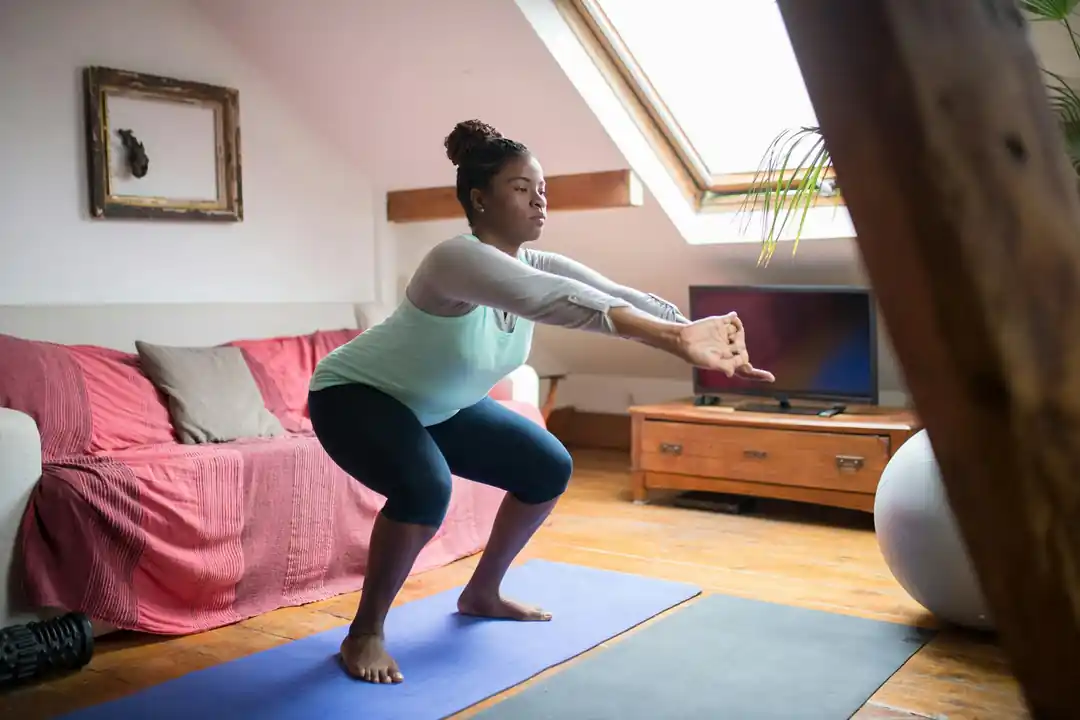
No Gym, No Problem: The Ultimate Guide to Bodyweight Fitness at Home
Forget expensive memberships. Discover how to build serious strength and transform your body using the most powerful tool you already own: yourself.

Popular Posts

Rethinking Non-Profit Promotion: Creative Strategies That Actually Drive Event Impact

Beyond Stark White: The Best Interior Paint Colors to Light Up Your New Space

How to Actually Master a New Language on Your Own (No Magic Gene Required)