A Homeowner's Guide to Earthquake-Proofing Your Water Heater
It's one of the most important safety tasks for any home in a seismic zone, yet it's often overlooked. Let's walk through the simple, reassuring process of strapping your water heater.
There are certain sounds in a home that are just part of the background noise of life. The hum of the refrigerator, the click of the thermostat, and the gentle rumble of the water heater kicking on. We rarely think about these appliances, yet we depend on them daily. But if you live in a place where the ground can suddenly start to shake, that water heater can transform from a silent workhorse into a significant hazard. I’ll be honest, the thought of our 50-gallon tank toppling over used to be one of my late-night worries.
It wasn't until a friend shared a story about their neighbor's home flooding after a minor tremor that I decided to stop worrying and start doing. The culprit? An unstrapped water heater that fell and broke its connections. That was my wake-up call. Securing your water heater is one of the most effective and affordable steps you can take to prepare your home for an earthquake. It’s not just about preventing a flood; it’s about preventing gas leaks, fires, and losing a potential source of emergency drinking water. It’s a simple act of responsibility that protects your home and family.
Why a Loose Water Heater Is a Big Problem
Let's get real for a moment about the physics involved. A typical 50-gallon water heater weighs over 400 pounds when full. During an earthquake, this massive, top-heavy object can easily be thrown around. When it topples, it can sever rigid water pipes, leading to extensive water damage. Even more dangerous, it can rupture a gas line, creating a serious fire or explosion hazard. In fact, fire officials have stated that post-earthquake fires are often started by appliances like water heaters breaking their gas connections.
This is why building codes in most seismically active areas, like California, mandate that water heaters be properly secured. These regulations aren't just suggestions; they are based on decades of evidence from past earthquakes. Beyond preventing disaster, a secured water heater can be a lifeline. If the main water supply is contaminated or cut off after a quake, the potable water stored in your tank could be crucial for your family's survival for up to a few days. Thinking about it that way really reframes this from a simple DIY task to an essential part of your family's emergency plan.
Getting the Right Gear for the Job
Before you start, it’s crucial to have the right materials. This is not a place to skimp. In the past, people might have used flimsy materials like plumber's tape, but we now know that's nowhere near strong enough. You need a dedicated water heater strapping kit, which you can find at most hardware stores. These kits are great because they usually contain everything you need and are designed to meet safety standards.
If you're buying the components separately, you'll need heavy-gauge metal straps (not the perforated kind), 1/4-inch x 3-inch lag screws with washers, and potentially some conduit or spacers. The goal is to anchor the tank to the wall studs, not just the drywall. This is non-negotiable. To do that, you'll need a good stud finder, a drill with a bit for pilot holes, and a socket wrench. Don't even think about starting the job without a stud finder; it's the most critical tool for ensuring the straps will actually hold.
A Step-by-Step Guide to a Secure Tank
Once you have your tools and materials, the process itself is pretty straightforward. The key is to be precise and thorough.
First, identify your strap locations. The standard recommendation is to use two straps. The upper strap should be located on the top third of the tank, at least 18 inches from the top. The lower strap should be on the bottom third, at least 4 inches above the thermostat and controls. Using two straps prevents the tank from tipping over or twisting free.
Next, use your stud finder to locate the wall studs behind the water heater. Mark their locations clearly. If there isn't a stud directly behind the tank, you'll need to install a horizontal 2x4 brace that is screwed into the studs on either side. Then you can anchor your straps to this brace. Wrap the metal strap around the front of the tank and secure both ends to the wall studs (or your brace) using the lag screws. If there's a gap between the tank and the wall, use sections of metal conduit as spacers to keep the tank from shifting. The straps should be tight and have no slack. Repeat the process for the second strap.
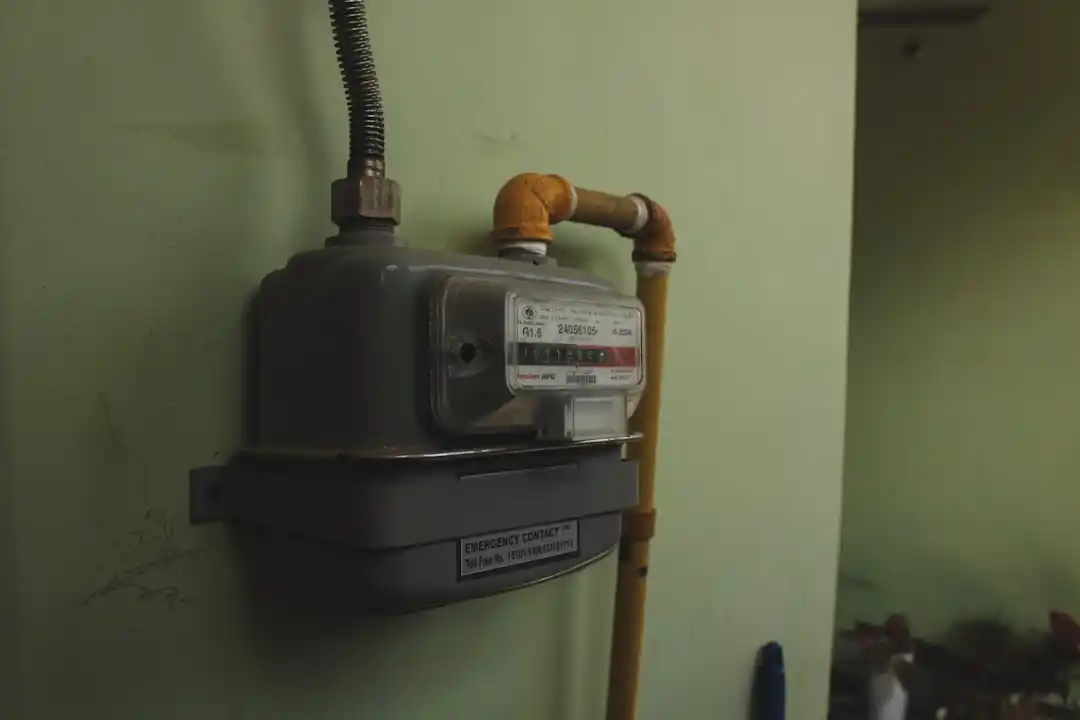
Finally, consider upgrading your water and gas lines to flexible connectors if they aren't already. These corrugated metal tubes are designed to move during an earthquake without breaking, unlike rigid pipes. This is especially critical for the gas line. If you're not comfortable working with gas lines, please call a licensed plumber. It's a small extra cost for a huge increase in safety. Taking these steps provides a sense of security that is truly invaluable, knowing you've fortified a vulnerable part of your home against the unexpected.
The Unsung Hero of Earthquake Safety You're Probably Missing
Is Your Home Built to Last? A Guide to Seismic Retrofitting
Related Posts
 INTERIOR IDEAS
Beyond Stark White: The Best Interior Paint Colors to Light Up Your New Space
Discover how moving away from flat white walls to soft pale blues, earthy sage greens, and cozy warm neutrals can naturally brighten your home.
 HOME IMPROVEMENT
The Honest Winter Energy Guide: How I Cut Heating Costs Without Freezing
Practical, research-backed ways to keep your home warm and your utility bills reasonable this winter, from simple DIY sealing to smart habits.

Popular Posts
Beyond Stark White: The Best Interior Paint Colors to Light Up Your New Space

How to Actually Master a New Language on Your Own (No Magic Gene Required)

The Simple Pre-Workout Fueling Strategy That Saved My Long Runs