Ever wonder what your cat is trying to tell you with that purr or tail twitch? Let's dive into the secret language of our beloved feline companions.
There’s something truly enchanting about sharing your home with a cat, isn't there? They move through our lives with a certain grace and an air of deep mystery, leaving us to wonder what, exactly, is going on behind those captivating eyes. One minute they're a purring ball of fluff on your lap, the next they're launching themselves across the living room for no apparent reason. It often feels like we're living with a tiny, furry enigma.
But what if I told you that your cat is constantly communicating with you? They have a rich, complex language that goes far beyond a simple meow for food. Honestly, learning to understand it has completely changed the way I interact with my own cat. It’s a language spoken in tail twitches, slow blinks, and subtle shifts in posture. It’s a silent conversation that’s always happening.
Once you start to pick up on the cues, you're not just a person who feeds them; you become their confidant. You learn to see the difference between a purr of contentment and one of anxiety. You understand that when they show you their belly, it's a profound gesture of trust. Getting to know this secret language doesn't just solve behavioral puzzles; it deepens the bond you share, turning everyday moments into meaningful exchanges.
The Tail Tells a Tale
A cat's tail is like a barometer for their emotions, and learning to read it is probably the quickest way to get a read on their mood. Think about the classic "happy to see you" greeting. The tail is held straight up, maybe with a friendly little quiver at the very tip. This is the feline equivalent of a huge, welcoming smile. It’s a sign of confidence, happiness, and a genuine desire to interact with you.
Then there's the twitch. Not the happy quiver, but a more distinct, sharp flick or twitch of the tail's end. If you're petting your cat and their tail starts doing this, pay attention. This is often a sign of overstimulation or growing irritation. It’s their polite way of saying, "Okay, I'm about done with this now." Ignoring this subtle cue is often what leads to a sudden, seemingly unprovoked swat or nip. They tried to warn you!
Of course, there are the more dramatic signals. A tail that is puffed up to twice its normal size, like a bottle brush, is an unmistakable sign of fear and aggression. Your cat is trying to make themselves look bigger and more intimidating because they feel seriously threatened. Conversely, a tail tucked low or between the legs signals fear, submission, or anxiety. It’s a clear sign that your cat is feeling insecure and is not in a happy place.
More Than Just a Meow: The Vocalizations
Cats have a surprisingly wide vocal range, and they’ve refined it specifically to communicate with us humans. Interestingly, adult cats rarely meow at each other; they reserve that particular sound mostly for people. The standard meow can mean anything from a simple "hello" to a more insistent "my food bowl is empty!" The tone and frequency will tell you a lot about the urgency of their request.
The purr is perhaps the most recognized and beloved cat sound, and for good reason. A deep, rumbling purr from a cat curled up on your lap is a clear sign of contentment and relaxation. However, the purr is more complex than just a happiness indicator. Cats also purr to self-soothe when they are stressed, in pain, or frightened. It’s a coping mechanism. This is why you might hear a cat purring at the vet's office—it’s not because they're enjoying the check-up, but because they're trying to calm themselves down.
Beyond the meow and purr, there are other fascinating sounds. The chirp or trill is a friendly, questioning sound, often used by a mother cat to call her kittens. If your cat chirps at you, they might be trying to get you to follow them or pay attention to something. And then there's the chatter—that strange, teeth-clacking sound they make when they see a bird or squirrel outside the window. It’s thought to be a sound of frustration and predatory excitement, mimicking the "killing bite" they would deliver to their prey.
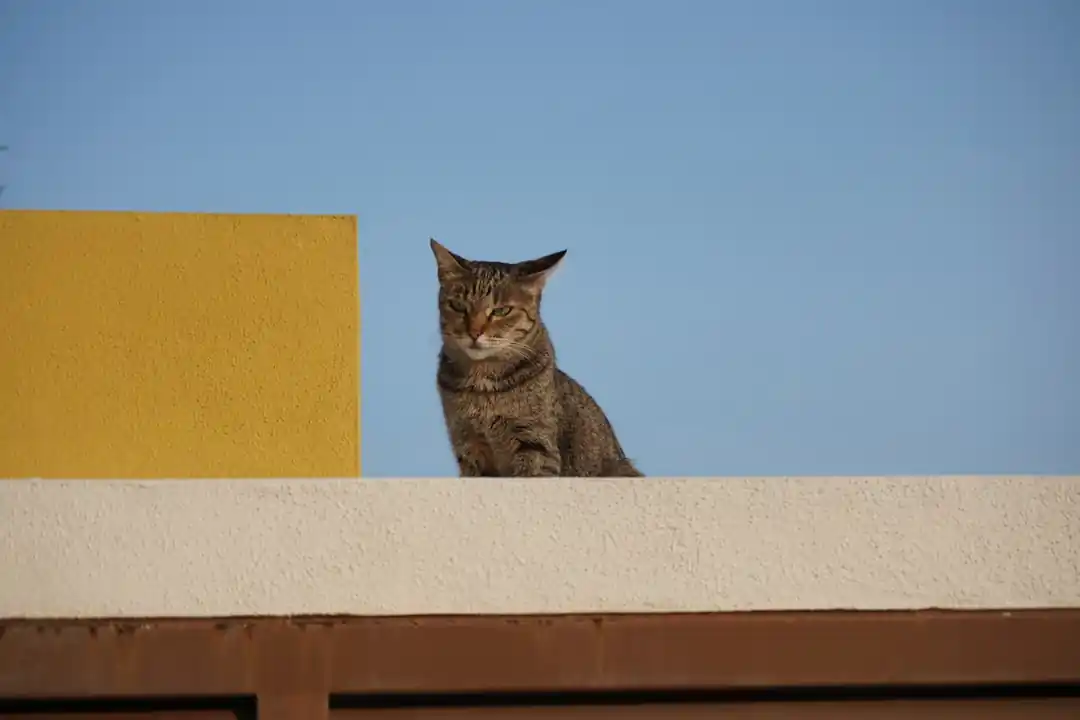
The Silent Signals: Body Language and Affection
Some of the most profound communication from a cat is entirely silent. Have you ever had a cat look at you from across the room and slowly blink? Don't just see it as a sign of a sleepy cat. This is a huge compliment. Known as a "cat kiss," the slow blink is a sign of ultimate trust and affection. It means they feel completely safe and relaxed in your presence. You can even try doing it back to them—soften your gaze, slowly close your eyes, and then open them. You might just get a slow blink in return.
Kneading, or "making biscuits," is another deeply ingrained behavior. This rhythmic pushing of their paws into a soft surface (like your blanket, or your stomach) is a holdover from kittenhood, when they would knead their mother to stimulate milk flow. When your adult cat does this, they are reverting to a state of pure comfort and contentment. They are telling you that you make them feel as safe and loved as their mother did. It's one of the highest compliments a cat can give.
And what about when a cat rubs their cheeks on you or head-butts you (a behavior called "bunting")? This isn't just a cute way of getting your attention. Cats have scent glands in their cheeks and head, and when they rub against you, they are depositing their pheromones on you. They are marking you as part of their family, mingling their scent with yours to create a comforting, familiar group smell. It’s a beautiful gesture of inclusion and belonging.
The journey to understanding your cat is one of the most rewarding parts of being a pet owner. It transforms your relationship from one of simple companionship to one of deep, mutual understanding. The mysterious little creature living in your house is talking to you all the time; you just have to learn to listen. And in doing so, you’ll find a connection that is richer and more wonderful than you ever imagined.

Beyond the Border: Why These Canadian National Parks Are a Must-See
Paws-itive Pampering: Your Beginner's Guide to At-Home Pet Grooming

Related Posts
 HOBBIES
The Beginner's Guide to Reading the Night Sky: How to Spot Your First Constellations
A friendly, grounded guide to navigating the night sky, understanding stellar movements, and spotting iconic constellations without expensive gear.
 PETS
PETSSniffle-Free Snuggles: America's Most-Loved Hypoallergenic Dogs
Dreaming of a furry friend but dreading the sneezes? You're not alone. Let's dive into the wonderful world of popular hypoallergenic dog breeds in the US.

Popular Posts

Rethinking Non-Profit Promotion: Creative Strategies That Actually Drive Event Impact

Beyond Stark White: The Best Interior Paint Colors to Light Up Your New Space

How to Actually Master a New Language on Your Own (No Magic Gene Required)
