Sky-High Decisions: The Best Way to Book Your Skyscraper Observation Deck Tickets
Planning to touch the clouds? Let's break down the pros and cons of booking your observation deck tickets online, on-site, or through a third-party app.
There’s a certain magic to seeing a sprawling metropolis from hundreds of feet in the air. The chaotic energy of the streets below melts away, replaced by a serene, glittering tapestry of lights and landmarks. It’s an experience I find myself chasing in every new city I visit. But as I’ve stood in my fair share of long lines and navigated countless booking websites, I’ve learned that how you get your ticket can be just as important as the view itself.
Honestly, it can be a bit of a maze. Do you buy directly from the official website? Is it better to show up and buy your ticket on the day of? Or are those third-party travel apps with their promises of discounts the way to go? I used to think it didn’t matter much, but a little bit of planning can mean the difference between a seamless, awe-inspiring visit and a frustratingly long wait.
So, let's get into it. We’ll break down the three main ways to book your ticket to the top of the world, weighing the good, the bad, and the practical for each.
Method 1: The Official Website
Going straight to the source is often the most reliable way to book. Think of the official websites for places like the Empire State Building, Chicago's Willis Tower (home of the Skydeck), or Seattle's Space Needle. This is my usual go-to, and for good reason. The biggest advantage here is peace of mind. You know your ticket is legitimate, and you’re getting the most accurate information about opening hours, special events, and any potential closures.
I’ve found that official sites often have exclusive packages you won’t find elsewhere. These can range from VIP express passes that let you skip the lines (a lifesaver during peak season) to sunrise or sunset viewings that offer a truly special experience. For example, when I booked my tickets for the Empire State Building online, I was able to select a specific time slot, which helped me plan my entire day around it. Research confirms that booking online directly is almost always cheaper than buying at the gate and guarantees your entry, as popular time slots can and do sell out.
The downside? You might not always find the rock-bottom cheapest price here. While direct booking is cheaper than on-site, it doesn’t always compete with the bundled deals offered by third-party sites. You’re paying for reliability and direct access. It’s a trade-off between potentially saving a few dollars and having the security of dealing directly with the attraction.
Method 2: Third-Party Travel Apps & Websites
Next up are the aggregators and travel apps—think GetYourGuide, Klook, or even city-specific passes like CityPASS. The main draw here is, without a doubt, the potential for discounts. These platforms often bundle attractions together, offering a package deal that can be significantly cheaper than buying each ticket individually. If you’re planning on hitting multiple tourist spots in a city, this is almost always the most cost-effective route.
These apps are also fantastic for discovery. Scrolling through them can introduce you to observation decks you might not have known about, complete with user reviews and photos that give you a real-world sense of the experience. I once found a deal for Chicago's 360 Chicago that included their "TILT" experience for a fraction of the standard price, something I might have skipped otherwise. The convenience of having all your tickets in one app is also a huge plus for staying organized.
However, this path requires a bit more caution. It's essential to use reputable, well-known third-party vendors. There are stories of people buying tickets from shady websites only to find they are invalid upon arrival. Customer service can also be a bit of a runaround; if an issue arises, you’re dealing with a middleman rather than the attraction itself, which can complicate things. Always double-check the fine print regarding cancellation policies and what exactly is included in your ticket.

Method 3: On-Site, Day-Of Purchase
Finally, there’s the old-school approach: walking up to the ticket counter and buying your pass on the spot. The primary benefit here is spontaneity. Maybe you weren't planning on visiting an observation deck, but you find yourself with a free afternoon and the weather is perfectly clear. In these moments, the ability to make a last-minute decision is wonderful. It allows for a more flexible, go-with-the-flow travel style.
Unfortunately, the romance of spontaneity often crashes into the reality of long lines. I made this mistake once in New York on a beautiful Saturday. I figured I’d just pop over to Top of the Rock, only to be met with a queue that snaked around the block. I spent nearly two hours waiting, which was a significant chunk of my day. Research consistently shows that on-site tickets are the most expensive option, and you run the very real risk of tickets being sold out for the day, especially during holidays or peak tourist season.
This method really only makes sense if you're visiting during a very slow off-season, on a weekday, or if you genuinely don't mind waiting. For most major US observation decks, especially the iconic ones, the convenience of pre-booking far outweighs the slim advantage of on-site flexibility.
The Final Verdict
So, what’s the best method? After all the research and personal experience, my recommendation is clear: book online, and whenever possible, book directly through the official website. This approach gives you the best balance of security, convenience, and guaranteed entry. You can plan your day with confidence and avoid the sinking feeling of a sold-out sign or a two-hour queue.
If you are a savvy bargain hunter and plan to visit multiple attractions, a reputable third-party app or a city pass is a very close second and will likely save you the most money. Just be sure to do your homework on the vendor. As for buying tickets on-site? I’d save that for the rarest of occasions.
Ultimately, the goal is to spend less time worrying about logistics and more time with your head in the clouds, soaking in the incredible views. A little bit of digital foresight is all it takes to make that happen.
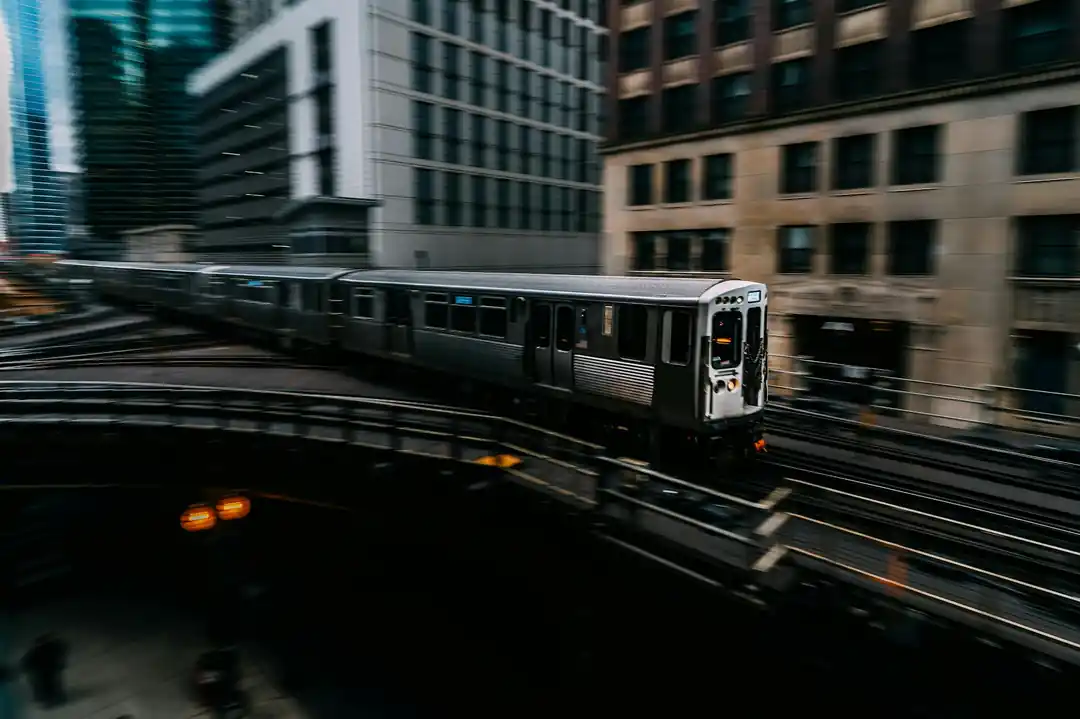
Skyscrapers and Subways: A Guide to Reaching America's Tallest Buildings by Public Transit
A Race to the Clouds: A Historical Guide to the World's Tallest Buildings

Related Posts
 TRANSPORT
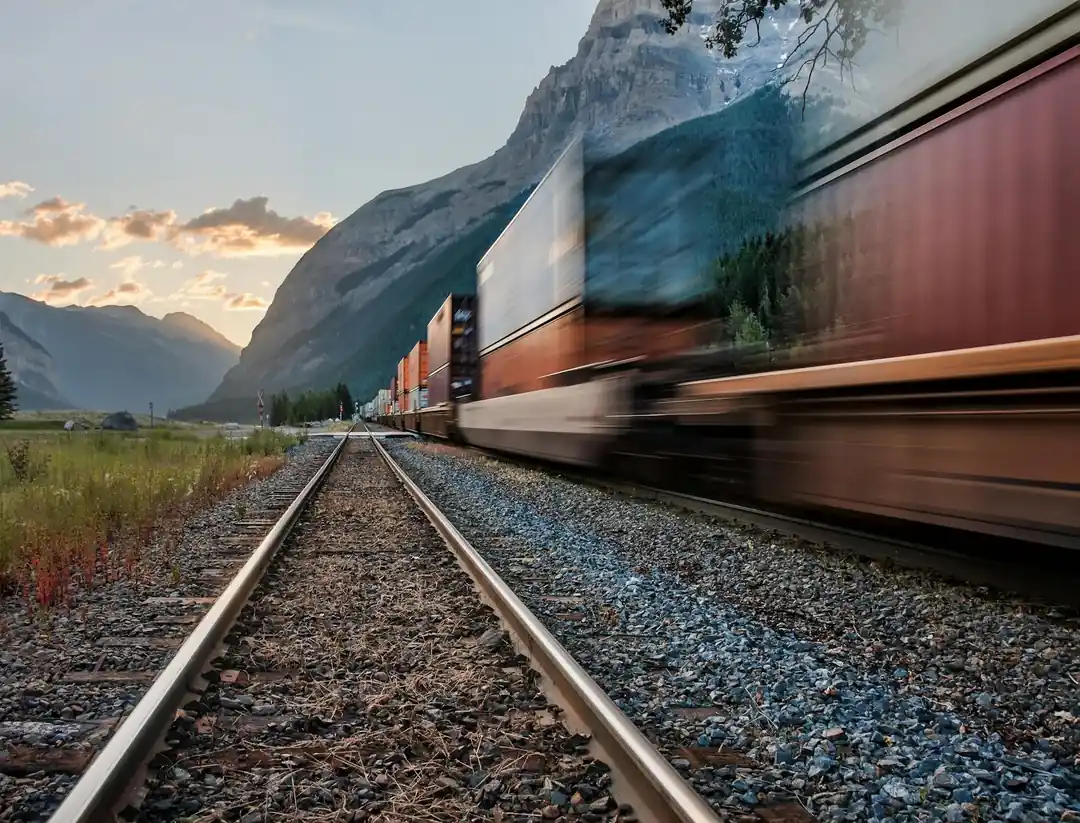
Beyond the Highway: Finding Canada's Soul on a Western Rail Adventure
Forget road trips. I'm talking about rediscovering the romance of travel on Via Rail's most scenic routes through the heart of the Canadian West. It’s an experience that changes you.
 TRAVEL TIPS
The Unwritten Rules of the North: What to Know Before Camping in Canada
Heading to the Great White North for a camping trip? It's an amazing idea. But from campfire etiquette to wildlife wisdom, here’s what you need to know before you go.

Popular Posts

Rethinking Non-Profit Promotion: Creative Strategies That Actually Drive Event Impact

Beyond Stark White: The Best Interior Paint Colors to Light Up Your New Space

How to Actually Master a New Language on Your Own (No Magic Gene Required)
