The Un-Glamorous But Essential Guide to Creating a Winter Storm Preparedness Kit
There’s a certain romance to being snowed in, but only when you’re truly prepared. Let’s get real about what you actually need to stay safe and comfortable.
There’s a moment, right before a big winter storm hits, when the world seems to hold its breath. The sky turns a heavy, bruised purple, the wind picks up its mournful song, and you know you’re about to be sealed off from the world for a little while. For years, I romanticized this. I’d picture myself curled up by the fire with a good book, a cup of tea in hand, watching the snow pile up outside. It’s a lovely thought, but it’s a fantasy that dangerously overlooks the harsh realities of what a serious winter storm can entail.
My wake-up call came a few years ago during a particularly nasty ice storm. The power went out, and what started as a cozy inconvenience quickly spiraled. The temperature inside plummeted, my phone died, and I realized my pantry, while full, was mostly things that required a working stove. I was cold, disconnected, and frankly, a little scared. That experience taught me that true comfort during a storm doesn’t come from wishful thinking; it comes from practical, thoughtful preparation.
Building a winter storm preparedness kit isn't about panicking. It’s the exact opposite. It’s a calm, rational action you take during times of peace to ensure your safety and comfort during times of chaos. It’s about empowering yourself to handle whatever the season throws at you, transforming potential anxiety into a quiet confidence.
The Core Four: Water, Food, Light, and Warmth
Let's start with the absolute non-negotiables. Government agencies like FEMA and the Red Cross are unanimous on this: you need to be able to survive on your own for at least 72 hours. First up, water. The standard recommendation is one gallon of water per person, per day. This covers not just drinking but basic hygiene, too. It sounds like a lot, but when the taps run dry, you’ll be grateful for every drop. Store-bought bottled water is easiest, but you can also store tap water in clean, food-grade containers.
Next is food. Your goal is a three-day supply of non-perishable items that require no cooking or refrigeration. Think beyond just a few cans of beans. Stock things you’ll actually want to eat: protein bars, dried fruit, nuts, peanut butter, crackers, and canned meats or fish. And please, for the love of all that is holy, do not forget a manual can opener. It’s the most frequently forgotten item, and one that can render half your food supply useless in a blackout.
With sustenance covered, let's talk about light and warmth. A power outage in winter is no joke. Your primary tools here are flashlights and lanterns. Opt for LED versions as they’re incredibly efficient, and stock at least one set of extra batteries for each. While candles can provide light, they are a significant fire hazard and should be used with extreme caution, if at all. For warmth, think in layers. Gather extra blankets, sleeping bags, and warm clothing for every member of the household. If you have a wood-burning fireplace, ensure you have a safe, dry supply of firewood.
Health, Safety, and Staying Informed
Once your basic survival needs are met, it’s time to think about health and information. A well-stocked first-aid kit is crucial. You can buy a pre-made one, but I prefer to build my own and customize it. Include essentials like bandages, antiseptic wipes, pain relievers, gauze, and any personal prescription medications. Make sure you have at least a week's supply of necessary medicines, as a storm might make a trip to the pharmacy impossible.
Information is your lifeline to the outside world. Your phone is a great tool, but it’s useless when the battery dies and the cell towers are down. This is where a battery-powered or hand-crank radio comes in. Look for a model that includes a NOAA Weather Radio band, which provides direct alerts and updates from the National Weather Service. It’s a simple piece of technology that can provide critical information about the storm's progress and when it might be safe to venture out.
Don’t forget basic sanitation. If the water is out for an extended period, things can get unpleasant quickly. A small supply of moist towelettes, garbage bags, and plastic ties will help you manage personal hygiene and keep your living space clean. It’s one of those details that seems minor until it suddenly isn’t. Thinking through these less-than-glamorous scenarios is what separates a basic kit from a truly effective one.
Beyond the House: Your Vehicle and Personal Needs
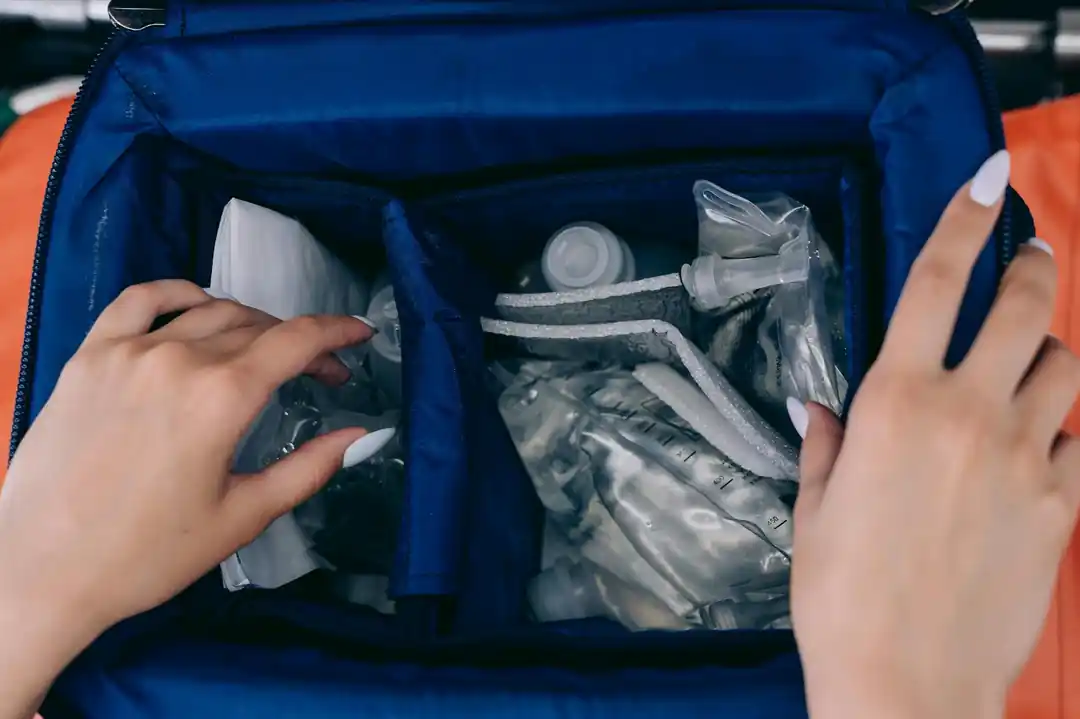
Many of us forget that our cars need a preparedness kit, too. Getting stranded in your vehicle during a winter storm can be incredibly dangerous. Your car kit should include many of the same basics as your home kit, but with a focus on mobility and survival in the cold. Pack extra blankets, warm clothes, a flashlight, and high-energy snacks.
In addition to the basics, every car kit should have items specific to vehicle emergencies. Jumper cables are a must. A small shovel and a bag of sand or cat litter can provide crucial traction if you get stuck in the snow. An ice scraper, of course, is essential. It’s also wise to keep your gas tank at least half full at all times during the winter; this prevents the fuel line from freezing and provides a source of heat if you need to run the engine for short periods.
Finally, think about your unique personal needs. Do you have infants or elderly family members? Their needs will be different. Pack diapers, formula, and any special foods or medications they require. And don't forget your pets! They need their own supply of food and water. Assembling this kit is a deeply personal process. It’s a tangible way of caring for yourself and your loved ones, a quiet act of love before the storm even begins.
Putting in this effort now, when the sun is shining and the skies are clear, is a gift to your future self. It’s a promise that when the world outside is wild and uncertain, your home will be a true sanctuary of safety and warmth.

No Gym, No Problem: The Ultimate Guide to Bodyweight Fitness at Home
The Great Console Debate: How to Choose the Right Gaming System for Your Family

Related Posts
 HOBBIES
The Beginner's Guide to Reading the Night Sky: How to Spot Your First Constellations
A friendly, grounded guide to navigating the night sky, understanding stellar movements, and spotting iconic constellations without expensive gear.
 PETS
PETSSniffle-Free Snuggles: America's Most-Loved Hypoallergenic Dogs
Dreaming of a furry friend but dreading the sneezes? You're not alone. Let's dive into the wonderful world of popular hypoallergenic dog breeds in the US.
Popular Posts

Rethinking Non-Profit Promotion: Creative Strategies That Actually Drive Event Impact

Beyond Stark White: The Best Interior Paint Colors to Light Up Your New Space

How to Actually Master a New Language on Your Own (No Magic Gene Required)
