Never Go Dark: How to Choose the Right Size Backup Generator for Your Home
The power just went out. Are you prepared? Figuring out what size backup generator you need feels complicated, but it's the key to keeping your home safe and comfortable.
There’s a unique silence that falls over a house when the power cuts out unexpectedly. One moment, the familiar hum of the refrigerator and the soft glow of a lamp fill the space; the next, it’s just darkness and a sudden, unnerving quiet. If you’ve been there, you know the feeling. Your mind immediately starts racing. How long will it last? Is the food in the freezer going to be okay? How will I charge my phone? It’s in these moments that the idea of a backup generator transforms from a "nice-to-have" luxury into a vital piece of home security.
But then comes the daunting question: what size generator do I actually need? It’s a puzzle that can feel overwhelmingly technical. Go too small, and you risk damaging your appliances or the generator itself. Go too big, and you're spending more than you need to on both the unit and the fuel to run it. I’ve been down this road, and honestly, the research can feel like a deep dive into an electrician's textbook. The good news? It doesn’t have to be that complicated. It all boils down to understanding what you truly need to power and learning two very important words: running watts and starting watts.
The Two Numbers That Matter Most: Running vs. Starting Watts
Before you can even think about choosing a generator, you have to get familiar with these two critical terms. They are the foundation of a smart decision. Think of it this way:
Running Watts are the continuous power an appliance needs to operate once it's already up and running. A light bulb, a television, or a computer all consume a steady, predictable amount of energy. This is the easier number to account for; it’s the power needed to keep things humming along smoothly.
Starting Watts (sometimes called "surge watts") are where things get interesting. This is the extra burst of power an appliance with a motor or compressor needs for just a few seconds to get started. Your refrigerator, central air conditioner, sump pump, or even a power tool requires a significant jolt of energy to kick its motor into gear. This starting wattage can be three to four times higher than the appliance's running wattage. This is the number that trips people up. If your generator can't meet that initial surge demand, the appliance will fail to start, and the generator's circuit breaker might trip.
Your Power-Outage Wishlist: An Essential Appliance Audit
Now for the practical part. Grab a notepad or open a spreadsheet and take a walk through your house. You need to create a realistic list of the items you absolutely cannot live without during an outage. This isn't about powering your entire life as normal; it's about maintaining safety, preserving food, and keeping a basic level of comfort.
Divide your list into two categories: "Essentials" and "Nice-to-Haves."
-
Essentials typically include:
- Refrigerator/Freezer (to save hundreds of dollars in groceries)
- Sump Pump (if you have a basement prone to flooding)
- Well Pump (if you're not on city water)
- A few lights
- Phone/Laptop chargers
- Furnace fan (in the winter to circulate heat)
-
Nice-to-Haves might include:
- Microwave
- Coffee Maker
- Television or Radio
- Window Air Conditioner
- Washing Machine
For each item on your list, find its running and starting wattage. This information is usually on a data plate or sticker on the appliance itself, or in the owner's manual. If you can't find it, a quick online search for the model number will almost always give you the answer.
Doing the Math: How to Calculate Your Wattage Needs
Once you have your list and your wattage numbers, it’s time for some simple math. Don't worry, it's straightforward.
-
Calculate Total Running Watts: Add up the running watts for all the items you plan to power simultaneously. This gives you your baseline power load. For example:
- Refrigerator (800W) + Sump Pump (1000W) + Lights (100W) + Phone Charger (10W) = 1910 Running Watts.
-
Identify the Highest Starting Wattage: Look at your list and find the single item with the highest starting wattage. In our example, let's say the refrigerator needs 2200 starting watts and the sump pump needs 2000. The refrigerator is our highest-demand item.
-
Calculate Your Total Wattage Requirement: Here’s the key formula: (Total Running Watts) + (Highest Starting Watts) = Total Generator Wattage Needed
- 1910 Running Watts + 2200 Starting Watts = 4110 Total Watts.
This means you need a generator that can produce at least 1910 continuous running watts and can handle a surge of at least 4110 watts.
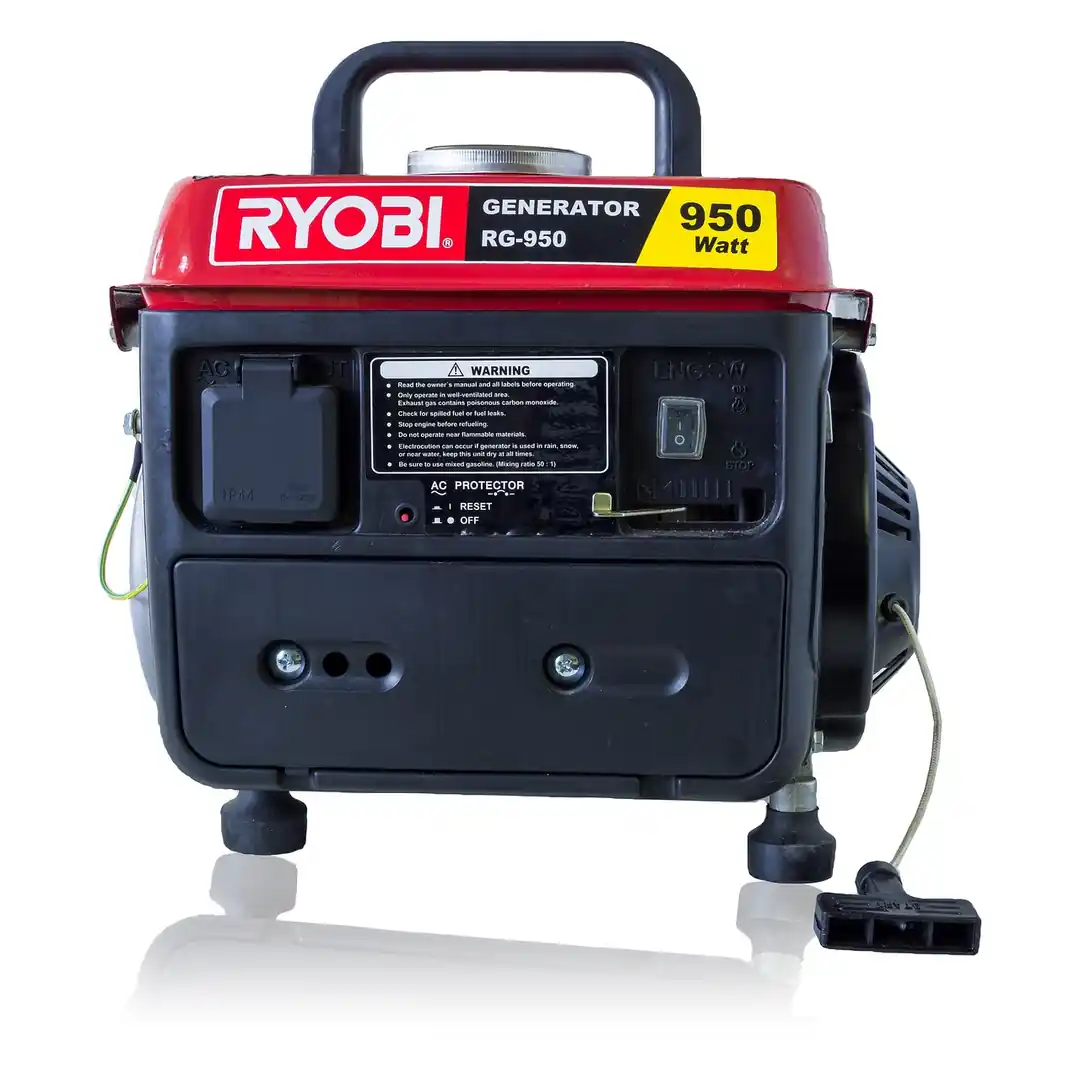
Finally, add a safety buffer. I always recommend adding 20-25% to your total wattage requirement. This ensures your generator isn't constantly running at its absolute maximum capacity, which reduces wear and tear and gives you a little wiggle room if you need to plug in something extra. In our example, 4110 x 1.20 = 4932 watts. So, a generator rated for around 5,000 to 5,500 surge watts would be a perfect fit.
A Final Thought on Preparedness
Choosing the right size generator is one of the most empowering things you can do for your home. It’s a declaration that you’re ready for the unexpected. It’s about more than just keeping the lights on; it’s about maintaining a sense of normalcy and security when the world outside feels chaotic. Taking the time to do this research and make an informed choice is an investment in your family's comfort and your own peace of mind. When the next storm rolls in and the neighborhood goes dark, you’ll be able to take a deep breath, head outside, and know that you have everything under control. And that is a feeling that’s truly priceless.

That Cozy Feeling: The Unmissable Guide to Space Heater Safety
That 'Bomb Cyclone' is Coming. Is Your Home Ready?

Related Posts
 INTERIOR IDEAS
Beyond Stark White: The Best Interior Paint Colors to Light Up Your New Space
Discover how moving away from flat white walls to soft pale blues, earthy sage greens, and cozy warm neutrals can naturally brighten your home.
 HOME IMPROVEMENT
The Honest Winter Energy Guide: How I Cut Heating Costs Without Freezing
Practical, research-backed ways to keep your home warm and your utility bills reasonable this winter, from simple DIY sealing to smart habits.
Popular Posts

Rethinking Non-Profit Promotion: Creative Strategies That Actually Drive Event Impact
Beyond Stark White: The Best Interior Paint Colors to Light Up Your New Space

How to Actually Master a New Language on Your Own (No Magic Gene Required)
