We've all heard the whispers—pets acting strangely when the full moon hangs high. But is there any truth to these tales, or is it just our imaginations running wild?
There’s something undeniably magnetic about a full moon. It hangs in the inky black sky, a silent, glowing observer, and for generations, we’ve spun tales about its strange influence. We talk about werewolves, of course, but also about human eccentricities seeming to spike when the moon is at its brightest. But what about our pets? Does your dog get a little more bark-happy? Does your cat suddenly have a case of the midnight zoomies that seems… different? Honestly, I’ve wondered about this myself, watching my own golden retriever pace a bit more restlessly on those luminous nights.
It’s so easy to dismiss it as folklore, a story we tell ourselves because the moonlit world feels a little more magical, a little more mysterious. We want to believe there are forces at play beyond our understanding. But I couldn't shake the feeling that there was more to it than just my imagination. So, I decided to do what any curious person in the 21st century does: I went looking for answers. I wanted to see if there was any real, scientific substance to the idea that our furry family members are in tune with the lunar cycle.
What I found was a fascinating mix of hard data, compelling theories, and a healthy dose of "we're not entirely sure." The answer isn't a simple yes or no. While the idea of a direct, mystical pull on your pet’s spirit might be a stretch, there are some very real correlations that have been observed and studied. So, let's get comfortable and talk about what science has to say about our four-legged friends and the big, beautiful moon.
The Emergency Room Doesn't Lie
For years, veterinarians and emergency room staff have anecdotally shared stories about busier nights during a full moon. It’s almost a running joke in the medical field—a knowing glance exchanged when the waiting room is unusually full and the moon is a perfect circle in the sky. But is there any data to back this up? As it turns out, yes. A fascinating study conducted at the Colorado State University College of Veterinary Medicine and Biomedical Sciences decided to investigate this very question.
Researchers analyzed over 11,900 cases from their veterinary medical center over an 11-year period. What they found was a noticeable and statistically significant increase in emergency visits for both cats and dogs during the full moon phase. Compared to other lunar phases, the risk of an emergency visit was 23% higher for cats and 28% higher for dogs. That’s not a small number. It’s a clear pattern that gives real weight to what vets have been observing for decades.
The emergencies weren't necessarily bizarre or supernatural. They included things like seizures, trauma, and cardiac arrest. The study didn't suggest the moon was creating these problems, but rather that it might be contributing to conditions where these problems were more likely to occur. This wasn't about proving a mystical connection, but about identifying a tangible, real-world pattern of increased risk for our pets.
It Might Just Be About the Light
So if it’s not some ancient, cosmic force, what could possibly explain this phenomenon? The most logical and widely accepted theory is actually quite simple: it’s the light. A full moon, especially on a clear night, can dramatically increase the amount of ambient light. It can be bright enough to read by, and it certainly changes the nighttime environment for animals.
Think about it from your pet's perspective. For an outdoor cat, a brighter night means better visibility for hunting and exploring. This might embolden them to roam further from home, increasing their chances of encountering other animals, getting into territorial disputes, or having an unfortunate run-in with a car. More light equals more activity, and more activity, unfortunately, can equal more opportunities for accidents.
This theory also holds for dogs. That extra light pouring through the windows might disrupt their sleep, making them more restless and active at night. A dog that’s awake and pacing when it would normally be asleep is a dog that’s more likely to get into things it shouldn’t or simply be more on edge. It’s not that the moon is making them behave badly, but that it’s altering their environment in a way that can lead to changes in their routine and, by extension, their behavior.
Are We Just Noticing More?
Beyond the emergency room data, many pet owners swear they see direct behavioral shifts. They’ll talk about their dogs howling at the moon, their cats hiding in strange places, or a general sense of anxiety that seems to permeate the house. I’ve certainly been there, watching my dog stare intently into the dark yard as if seeing something I can’t.
This is where things get a little less clear from a scientific standpoint. While the ER data is solid, studies looking for a direct, consistent link between the lunar cycle and specific behaviors (like aggression or seizures) have come up empty. There’s no definitive proof that the moon itself causes these changes. So why do so many of us feel so strongly that it does? The answer might lie in our own psychology, specifically with something called confirmation bias.
Confirmation bias is our natural tendency to look for, interpret, and remember information that confirms our existing beliefs. If you have a pre-existing idea that the full moon makes pets act weird, you’re going to be on high alert for any strange behavior during that time. A random bark or a sudden case of the zoomies might be ignored on a regular night, but under the light of a full moon, it suddenly becomes evidence. We connect the dots because we’re already looking for a connection. It doesn’t mean the behavior isn’t happening; it just means our interpretation of it is colored by our expectations.
How to Keep Your Pet Calm and Safe
Whether the cause is moonlight, confirmation bias, or something in between, the feeling that our pets are more vulnerable during a full moon is valid. The good news is, we can take simple steps to help them navigate this time peacefully. It’s not about being paranoid; it’s about being proactive and mindful.
If you have a cat that goes outdoors, consider making the full moon phase (the day before, the day of, and the day after) indoor-only nights. This is the single most effective way to reduce their risk of trauma from fights or accidents. For dogs, ensure your yard is secure and be extra vigilant on late-night walks. Keeping them on a leash is always a good idea, but it’s especially important when nocturnal animal activity might be higher.
Inside the house, you can help manage restlessness by ensuring your pet gets plenty of exercise and mental stimulation during the day. A tired pet is a calm pet. If the bright moonlight seems to be disrupting their sleep, consider using blackout curtains in the room where they rest. And, as always, if you notice any behavior that genuinely concerns you, the best thing to do is to check in with your veterinarian. They can help you rule out any underlying health issues and provide peace of mind.
Ultimately, the full moon is a beautiful and powerful part of our natural world. Its pull on our pets may be more scientific than supernatural, but it serves as a wonderful reminder to pay close attention to our animal companions and the subtle ways the world affects them. Observing them with curiosity and compassion is a journey in itself, one that deepens the incredible bond we share.
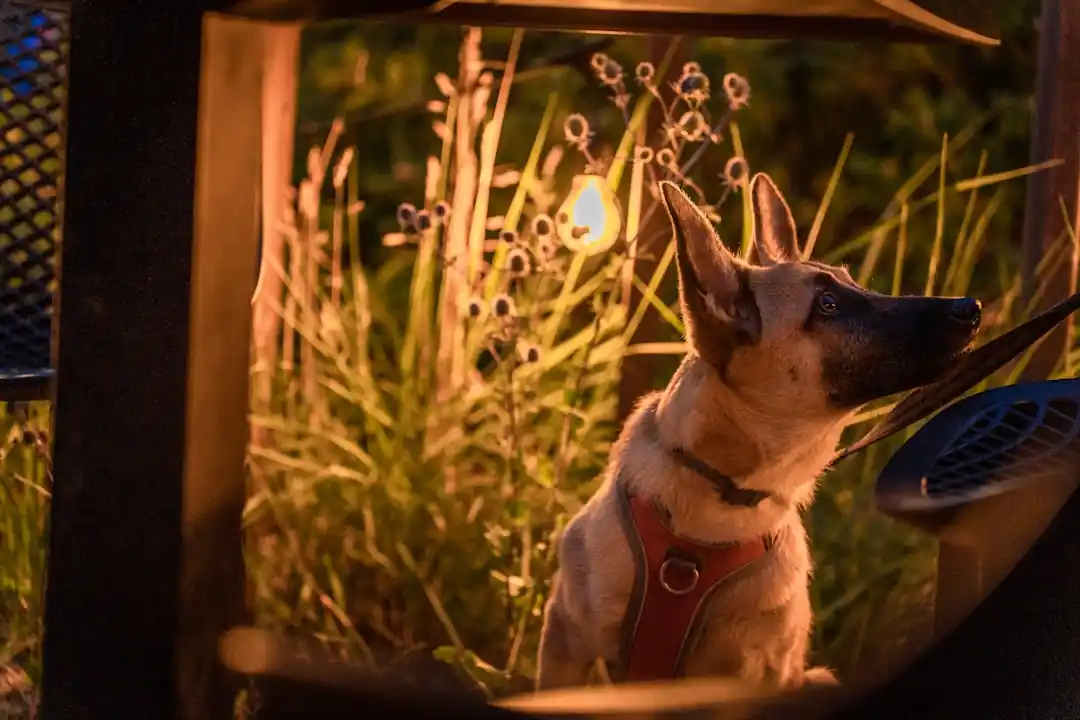
Does the Full Moon Make Your Pet Anxious? Let's Talk About It.
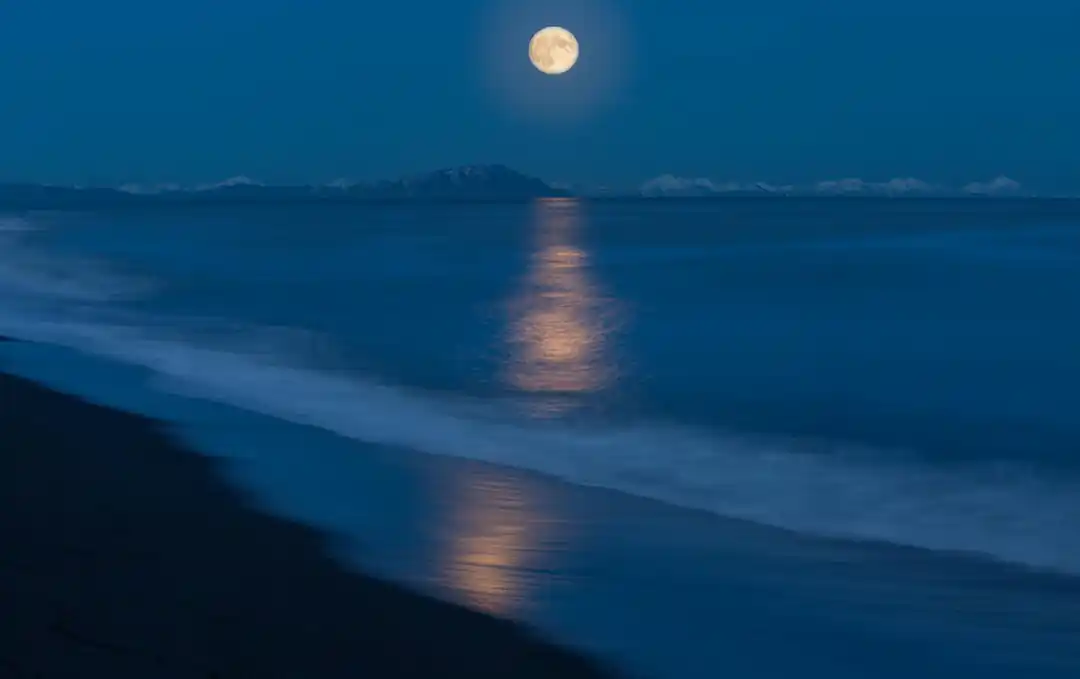
Can't Sleep During a Full Moon? You're Not Alone
Related Posts
 HOBBIES
The Beginner's Guide to Reading the Night Sky: How to Spot Your First Constellations
A friendly, grounded guide to navigating the night sky, understanding stellar movements, and spotting iconic constellations without expensive gear.
 PETS
PETSSniffle-Free Snuggles: America's Most-Loved Hypoallergenic Dogs
Dreaming of a furry friend but dreading the sneezes? You're not alone. Let's dive into the wonderful world of popular hypoallergenic dog breeds in the US.

Popular Posts

Rethinking Non-Profit Promotion: Creative Strategies That Actually Drive Event Impact

Beyond Stark White: The Best Interior Paint Colors to Light Up Your New Space

How to Actually Master a New Language on Your Own (No Magic Gene Required)
