The Savvy Traveler’s Guide to Angola: Staying Safe on an Unforgettable Journey
Angola is a destination that promises raw beauty and deep cultural experiences. But before you go, let's talk about how to navigate it safely, blending adventure with smart preparation.
There’s a certain kind of thrill that comes with planning a trip to a place that isn’t on every other travel blogger’s feed. Angola, with its dramatic coastline, vibrant culture, and landscapes that stretch from lush highlands to arid deserts, is exactly that kind of destination. It calls to the part of you that craves something real, something beyond the polished tourist trails. And honestly, the thought of exploring it is absolutely electrifying.
But let’s have a real conversation, just you and me. Venturing into less-traveled territories requires a different mindset. It’s not about fear; it’s about awareness. I was recently reading the U.S. State Department’s travel advisory for Angola, and it’s currently listed as a "Level 2: Exercise Increased Caution" destination, primarily due to crime and health concerns. My initial reaction wasn't to scrap the dream, but to lean in and understand what that really means. How can you and I, as thoughtful travelers, prepare ourselves to experience the heart of Angola while staying safe?
I’ve always believed that preparation is the key that unlocks true freedom in travel. It’s what allows you to immerse yourself in the moment, to connect with people and places, because you’ve already taken care of the "what ifs." So, let's dive into the practical, essential safety tips that will empower you to have an incredible, and secure, journey through this captivating African nation.
Before You Even Pack: The Pre-Trip Checklist
A smooth trip begins long before you get to the airport. For Angola, there are a few non-negotiables that you absolutely have to sort out. First up: your visa and vaccinations. Angola requires a visa for U.S. citizens, so start that process well in advance. More importantly, you will need proof of a yellow fever vaccination to enter the country. This isn't just a recommendation; it's a mandatory requirement, so get that little yellow book in order.
Next, let's talk about something that feels boring but is incredibly important: travel insurance. And not just any policy. You need one that specifically includes medical evacuation. The reality is that medical facilities in Angola, especially outside of Luanda, can be limited. If something serious happens, you want a plan in place to get you to a place with comprehensive medical care. I’ve heard stories, and trust me, this is one of those things you’ll be profoundly grateful for if you ever need it.
Finally, do your future self a huge favor and enroll in the Smart Traveler Enrollment Program (STEP). It’s a free service for U.S. citizens traveling abroad that registers your trip with the nearest U.S. Embassy or Consulate. In case of an emergency—whether it's a natural disaster, civil unrest, or something back home—the embassy can locate you and provide assistance. It’s a simple, five-minute task that adds a significant layer of security to your travels.
On the Ground: Navigating with Awareness
Once you arrive, the vibrant energy of Angola, especially in its capital, Luanda, is palpable. But this is where your street smarts need to be turned all the way up. Crime is a serious concern, with armed robbery, carjacking, and muggings being unfortunately common, particularly in urban areas. The most consistent advice from seasoned travelers and official sources is to maintain a low profile. This isn't the place for flashy jewelry, expensive cameras hanging around your neck, or waving your high-end smartphone around.
Think about your movements, especially at night. It’s strongly advised to avoid walking around after dark. When it comes to getting from point A to point B, unofficial taxis (known as "candongueiros") are a no-go. They are unregulated and can be unsafe. Instead, arrange for transportation through your hotel or a reputable, pre-booked car service. When you’re in a vehicle, keep the doors locked and windows up. It’s a simple habit that can deter opportunistic crime.
And here’s a difficult but crucial piece of advice: if you are ever confronted by a robber, do not resist. The value of your wallet or phone is nothing compared to your life. Hand over your belongings. It’s a terrifying thought, but preparing your mind for that possibility and resolving to comply is the safest strategy in a worst-case scenario.
Health and Hygiene: Staying Well on the Road
Your health is your wealth, especially when you're thousands of miles from home. In Angola, you’ll need to be proactive about a few things. Malaria is prevalent throughout the country, so consult your doctor about antimalarial medication before you go. Using insect repellent, wearing long sleeves and pants during peak mosquito hours (dusk and dawn), and sleeping under a mosquito net are also essential practices.
Food and water safety is another area to be diligent about. Stick to bottled or purified water, and be cautious with raw or undercooked foods. I love trying local cuisine—it’s one of the best parts of travel!—but I tend to favor busy restaurants where the food turnover is high, or dishes that are served piping hot. A bout of traveler’s stomach is unpleasant anywhere, but it’s something you really want to avoid in a place with limited medical facilities.
It’s also a good idea to bring a well-stocked first-aid kit from home. Include basics like pain relievers, antiseptic wipes, bandages, and any prescription medications you need (in their original containers with a doctor's note). While you can find pharmacies in Luanda, they may not have the specific medications you’re used to, and quality can be a concern. Being self-sufficient for minor ailments gives you peace of mind.
Exploring Further: Beyond the Capital
Angola’s beauty extends far beyond Luanda, but venturing into rural areas requires a unique set of precautions. The country is still recovering from a long civil war, and a tragic legacy of that conflict is the presence of landmines and unexploded ordnance in many parts of the countryside. This is not something to be taken lightly.
Never, ever wander off main roads or marked paths, especially in rural regions. Don’t touch any strange metal objects you might see on the ground. Heed local advice about which areas are safe, and if you’re planning to explore extensively, consider hiring an experienced local guide who knows the terrain and its history. This is a situation where local knowledge is invaluable.
Another point of caution is photography. Be very careful about what you photograph. It is illegal to take pictures of government buildings, military sites, or other sensitive installations. This can be interpreted broadly, so if in doubt, it’s best to put the camera away. Always ask for permission before taking photos of people; it’s a sign of respect that is appreciated everywhere in the world.
Traveling to Angola is an opportunity for a profound and authentic adventure. It’s a country that will challenge you, inspire you, and undoubtedly leave a lasting mark on your soul. By embracing these safety practices, you aren’t diminishing the adventure; you’re enabling it. You’re giving yourself the freedom to explore with confidence and respect. So go, be present, be mindful, and let the incredible spirit of Angola reveal itself to you.
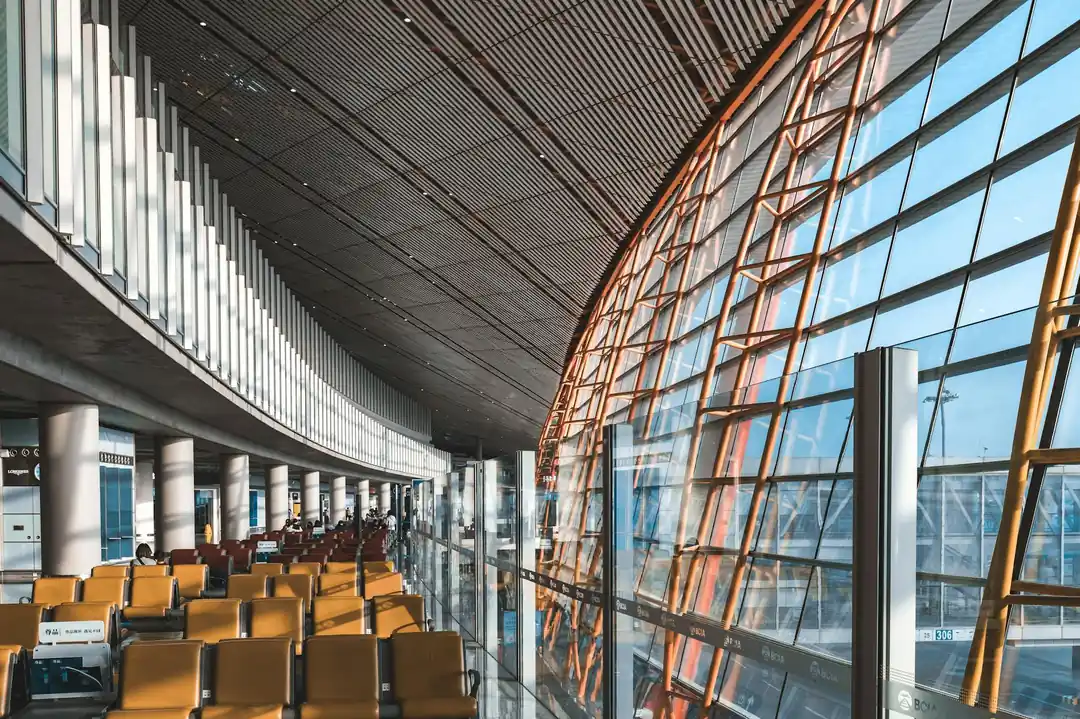
Navigating Angola's Skies: A Guide to Domestic Airports & Airlines
Your Complete Guide to Angola Visa Requirements for US Tourists
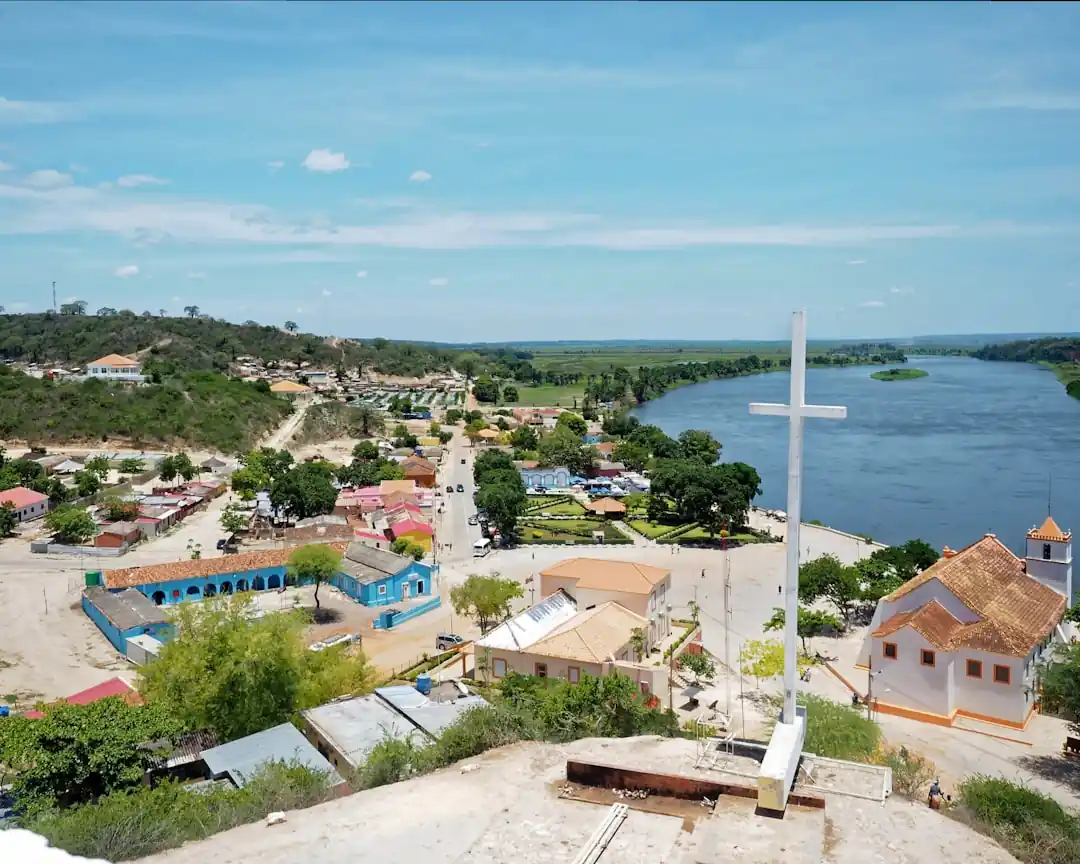
Related Posts
 TRANSPORT
Beyond the Highway: Finding Canada's Soul on a Western Rail Adventure
Forget road trips. I'm talking about rediscovering the romance of travel on Via Rail's most scenic routes through the heart of the Canadian West. It’s an experience that changes you.
 TRAVEL TIPS
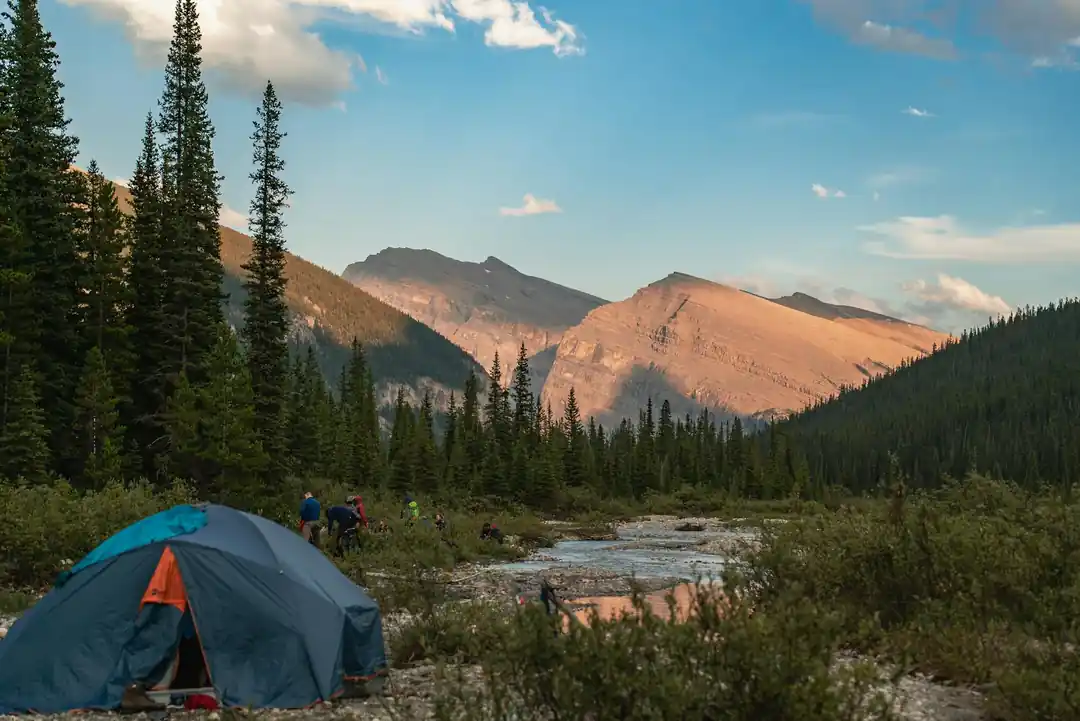
The Unwritten Rules of the North: What to Know Before Camping in Canada
Heading to the Great White North for a camping trip? It's an amazing idea. But from campfire etiquette to wildlife wisdom, here’s what you need to know before you go.
Popular Posts

Rethinking Non-Profit Promotion: Creative Strategies That Actually Drive Event Impact

Beyond Stark White: The Best Interior Paint Colors to Light Up Your New Space

How to Actually Master a New Language on Your Own (No Magic Gene Required)
