Diving into graphic design doesn't have to be expensive. I'm exploring the most powerful and user-friendly free tools that can help any beginner start creating today.
Have you ever found yourself scrolling through a beautifully curated Instagram feed or a stunningly designed website and thinking, "I wish I could do that"? There's a common misconception that graphic design is an exclusive club, one that requires a pricey membership in the form of expensive software and years of formal training. I'll be honest, I used to believe that, too. The thought of opening a program like Adobe Photoshop felt like being asked to fly a commercial airliner—intimidating, complex, and probably not something you should try without a license.
But the digital landscape has changed so much, and for the better. The idea that you need to spend hundreds of dollars just to get started is officially a thing of the past. Today, a wealth of powerful, intuitive, and, best of all, free graphic design software is available right at your fingertips. These aren't just stripped-down versions of their paid counterparts, either. Many of these tools are incredibly robust, offering everything a beginner needs to start creating professional-looking graphics for social media, a personal blog, a new side hustle, or just for the pure joy of making something new.
So, if you've been standing on the sidelines, feeling that creative itch but not knowing where to start, this is for you. We're going to walk through some of the best free graphic design tools out there, breaking down what makes each one special. It's time to finally push past that initial fear of the blank canvas and discover how accessible and genuinely fun graphic design can be.
The All-in-One Powerhouses: Where Ease of Use Meets Great Design
For anyone just starting, the ideal tool is one that doesn't make you feel lost the moment you open it. This is where browser-based, template-driven platforms have completely changed the game. They are built from the ground up with beginners in mind, offering a guided experience that helps you create something beautiful, fast.
Canva is, without a doubt, the reigning champion in this category, and for good reason. It’s less of a traditional design tool and more of a creative partner. The entire experience is built around a massive library of templates for virtually anything you can imagine: Instagram posts, resumes, presentations, wedding invitations, you name it. This approach removes the initial paralysis of starting from scratch. You can find a design that’s 90% of the way there, then spend your time personalizing it with your own colors, fonts, and images. The drag-and-drop interface is incredibly intuitive, and its free version is surprisingly generous, offering thousands of photos, graphics, and fonts at no cost.
On the other side of the ring is Adobe Express (formerly Adobe Spark). Coming from the creators of industry-standard software like Photoshop and Illustrator, you might expect it to be complicated, but it’s quite the opposite. Adobe Express is the company’s answer to Canva, offering a similarly user-friendly, template-based experience. It’s perfect for creating slick social media content, web pages, and short videos. One of its standout features is the integration with Adobe's vast ecosystem, giving you access to a curated collection of Adobe Fonts and a library of royalty-free stock photos even in the free plan. It feels polished and professional, and it’s a fantastic way to get a taste of the Adobe experience without the steep learning curve.
Taking the Next Step: Unleashing Your Inner Artist with Advanced Tools
Once you get comfortable with the basics, you might find yourself wanting more control. Maybe you want to do some serious photo editing or create a completely custom logo from scratch. This is where you graduate from template-based platforms to more powerful, feature-rich software. And yes, you can still do this for free.
For anything related to photo editing or raster graphics (pixel-based images), GIMP (GNU Image Manipulation Program) is the go-to open-source powerhouse. For decades, it has been the most credible free alternative to Adobe Photoshop. It offers a staggering number of professional-level features, including layers, masks, advanced color correction, and a wide array of filters and effects. It’s the kind of software you can use to remove a background, retouch a portrait, or even create complex digital paintings. The trade-off for this power is a steeper learning curve. The interface isn't as immediately intuitive as Canva's, but the vast community and countless online tutorials make it entirely possible for a dedicated beginner to master.
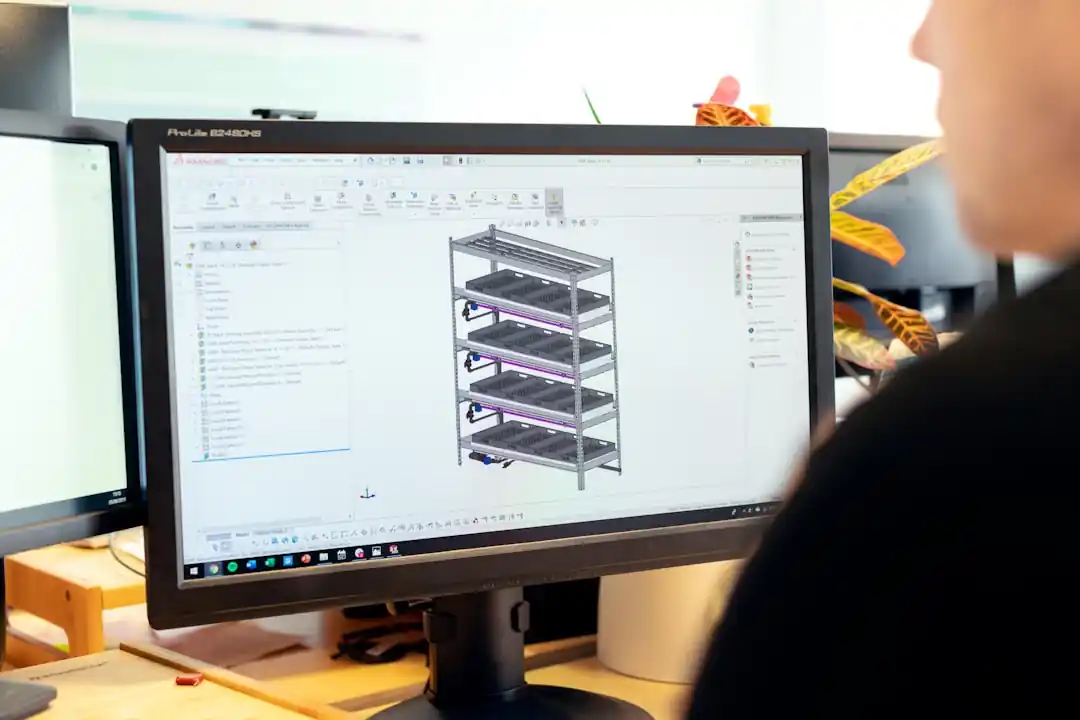
If your interests lie more in logos, icons, and illustrations, you'll need a vector graphics editor. Unlike raster images, vectors are based on mathematical equations, which means you can scale them to any size—from a tiny icon to a massive billboard—without any loss of quality. Inkscape is to Adobe Illustrator what GIMP is to Photoshop. It's a remarkably capable, open-source vector editor that gives you all the tools you need to create stunning, scalable graphics. You can draw freehand, use powerful shape and text tools, and manage complex objects with layers. It’s the perfect free tool for designing a logo for your new blog or creating custom illustrations for a website.
Finally, a noteworthy contender that bridges the gap is Photopea. It's a bit of a miracle tool, honestly. It runs entirely in your web browser, requires no installation, and looks and feels remarkably like Photoshop. It can open and edit files from Photoshop, GIMP, and Sketch, making it incredibly versatile. While it might not have every single advanced feature of its desktop counterparts, it's more than powerful enough for most beginner and intermediate tasks. It’s the perfect solution when you need to make a quick, detailed edit without wanting to download and install a full-blown application.
Finding the Right Fit for Your Creative Journey
Choosing your first design tool isn't about finding the "best" one, but the one that's best for you. Start by thinking about what you want to create. If you're focused on making beautiful social media content quickly, start with Canva or Adobe Express. If you dream of creating detailed digital art or editing photos like a pro, take the time to learn GIMP. If you want to design a logo that will look sharp on both a business card and a t-shirt, Inkscape is your friend.
Don't be afraid to experiment. Download a few, watch a couple of introductory videos, and see which one clicks with your workflow. The most important step is simply to start. The beauty of these free tools is that they remove the financial barrier, leaving only the exciting path of learning and creating ahead of you.
Every designer, no matter how skilled, started somewhere. They all faced that first blank canvas with a mix of excitement and uncertainty. So pick your tool, open it up, and make your first mark. It doesn't have to be perfect. It just has to be yours. Happy creating.
So, You Want to Build an App? Here’s What It’ll Really Cost You.
Your Inner Cartoonist: How to Create a Caricature with ChatGPT for Free
Related Posts
 MOBILE
The Great Console Debate: How to Choose the Right Gaming System for Your Family
Feeling stuck between a Switch, a PlayStation, and an Xbox? Let's break down which gaming console is the perfect fit for your family's game nights.
 MOBILE
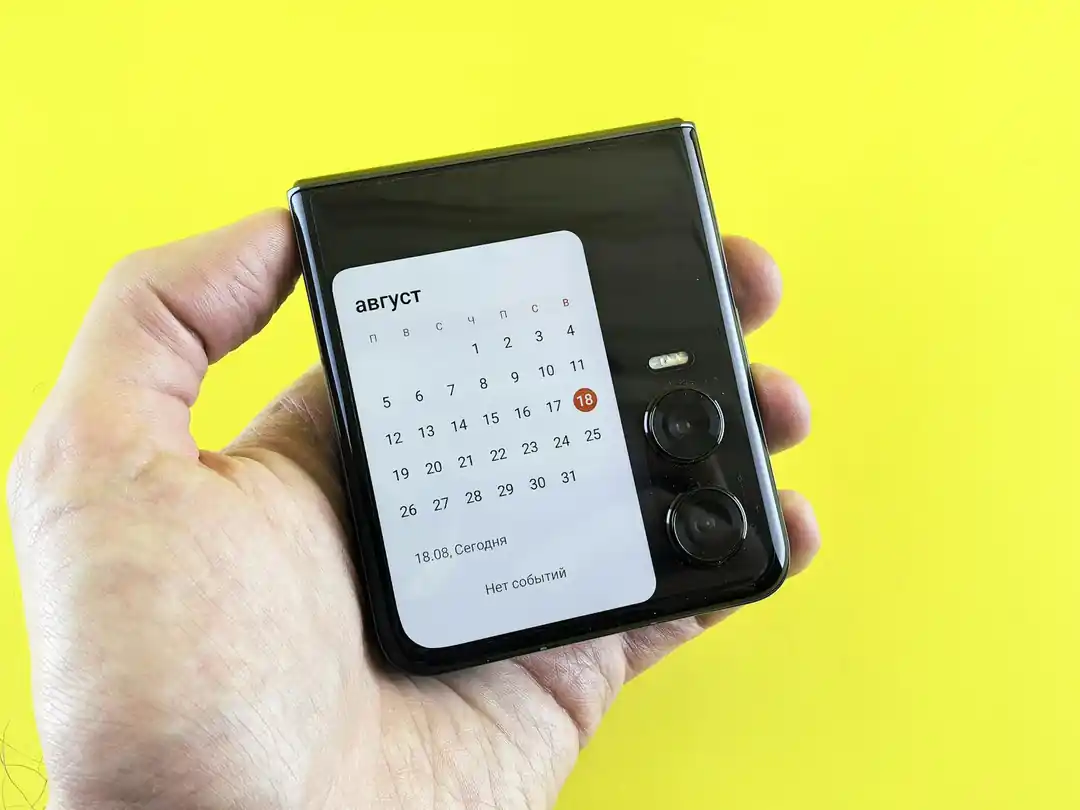
From Fragile to Formidable: The Surprising Evolution of Foldable Phone Durability
Remember when the idea of folding a smartphone screen in half felt like a disaster waiting to happen? Let's talk about how far they've come, because the story is pretty incredible.
Popular Posts

Rethinking Non-Profit Promotion: Creative Strategies That Actually Drive Event Impact

Beyond Stark White: The Best Interior Paint Colors to Light Up Your New Space

How to Actually Master a New Language on Your Own (No Magic Gene Required)
