The Great Lakes on a Dime: How to Plan an Unforgettable Budget Road Trip
Dreaming of that iconic Great Lakes circle tour but worried about your wallet? I get it. Here’s how I learned to embrace the adventure without breaking the bank.
There’s a certain romance to the idea of a Great Lakes road trip, isn’t there? The thought of cruising along thousands of miles of freshwater coastline, discovering charming port towns, and witnessing landscapes that feel more oceanic than lakeside. For the longest time, it was a dream simmering on my travel back-burner, mostly because I assumed a trip of that scale had to be expensive. I pictured pricey hotels with lake views and a steady diet of restaurant meals.
Honestly, I was looking at it all wrong. My perspective shifted when I started talking to seasoned road-trippers and digging into travel blogs. The real magic of the Great Lakes, I learned, isn't found in luxury, but in the raw, accessible beauty of the region. It's in the freedom of the open road, the joy of a spontaneous hike, and the peace of a campsite under the stars. I discovered that not only is a budget-friendly trip possible, it’s actually a more authentic way to experience this incredible part of the country.
So, I decided to dive in and plan my own affordable adventure. It required a bit more creativity and a willingness to embrace a simpler style of travel, but the payoff was immense. I’m talking about waking up to the sound of waves on Lake Superior, discovering waterfalls hidden in lush forests, and eating local pasties that were both delicious and cheap. It turns out, the Great Lakes on a dime isn't a compromise; it's an upgrade.
Your Roadmap to Savings: Smart Planning & Timing
The first rule of any budget trip is that a little planning goes a long way. This isn't about creating a rigid, minute-by-minute itinerary, but rather about making smart choices upfront that will save you significant money down the road. For a Great Lakes trip, this starts with two key things: your timing and your route.
The summer months, from June to August, are peak season. The weather is glorious, yes, but it also means more people and higher prices for everything from campsites to kayak rentals. If you have the flexibility, consider the shoulder seasons of late spring (May) or early fall (September and October). I’m personally a huge fan of a fall trip; the crisp air, the lack of crowds, and the absolutely breathtaking fall foliage, especially in Michigan's Upper Peninsula and along Minnesota's North Shore, are just unbeatable. You’ll find that accommodation is easier to book and often cheaper.
Next, let's talk route. The full Great Lakes circle tour is epic, but it's also a massive undertaking that can stretch over 6,500 miles. Trying to do too much in too little time is a classic budget-buster, leading to long, exhausting driving days and more money spent on gas. A better approach is to focus on one or two lakes or a specific region. You could spend a week just exploring Lake Michigan's eastern shore, from the towering Sleeping Bear Dunes to the charming towns of Traverse City and Charlevoix. Or, dedicate your trip to the wild, rugged coastline of Lake Superior. This allows for a deeper, more relaxed exploration and less time just watching the odometer tick up.
Sleeping Soundly Without Spending a Fortune
Accommodation is almost always the biggest expense on a road trip, but around the Great Lakes, it’s one of the easiest places to save. This is where you trade sterile hotel rooms for incredible natural settings. My number one tip? Embrace camping. The region is packed with state parks, national forests, and public campgrounds that offer sites for as little as $20-$30 a night.
I’ve had some of my most memorable nights falling asleep to the sound of lapping waves at a state forest campground right on the shores of Lake Superior. Many of these parks, like Tahquamenon Falls State Park in Michigan, not only provide affordable camping but also place you right at the doorstep of major attractions. A recent search showed that you can find amazing, affordable campsites at places like Pictured Rocks National Lakeshore or even camp on 18 of the 21 Apostle Islands in Wisconsin for a nominal fee. Just be sure to book well in advance, especially for popular parks and holiday weekends, as these spots are beloved for a reason.
If tenting isn't your thing, don't despair. Many state parks also offer rustic cabins or yurts that provide a solid roof over your head without the hotel price tag. Alternatively, look for lodging in the smaller, less-touristy towns. Instead of staying in a major hub, venture a few miles down the road to a town that has family-owned motels or inns. You’ll not only save money but also get a more authentic local experience.
Fueling Your Body and Your Car on a Budget
After lodging, food and gas are the next biggest money pits. But with a little foresight, you can keep these costs surprisingly low. The most effective strategy is to minimize dining out. I know, trying local restaurants is part of the fun, but doing it for every meal will drain your funds faster than a leaky canoe.
My solution is a well-stocked cooler. Before I hit the road, I load it up with breakfast items, sandwich supplies, snacks, and drinks. Most campgrounds and many day-use areas have picnic tables, making it easy to enjoy a scenic lunch. Hitting up local grocery stores or farmers' markets every few days is a great way to restock and try regional products—like fresh cherries from the Traverse City area or smoked fish from the North Shore—without paying restaurant markups. When you do decide to eat out, make it a deliberate choice. Opt for a casual lunch special or find a local gem known for its value, like a spot famous for its delicious, hearty pasties in the Upper Peninsula.
For gas, an app like GasBuddy is non-negotiable. It helps you locate the cheapest gas prices in your vicinity, and the savings can really add up over a long trip. It’s also wise to plan your route to avoid unnecessary backtracking. And while the Great Lakes region doesn't have a ton of tolls, be aware of major crossings like the Mackinac Bridge, which has a fee. Sometimes the scenic, toll-free route is not only cheaper but also far more enjoyable.
The Best Things in Life (and on the Lakes) Are Free
Here’s the absolute best part about a Great Lakes road trip: so many of the most breathtaking experiences are completely free or very low-cost. The dramatic landscapes and natural wonders are the main attractions, and they don’t charge admission.
Your adventure should be built around exploring the incredible public lands. A National Parks Pass is a fantastic investment if you plan to visit multiple sites like Pictured Rocks, Sleeping Bear Dunes, and Indiana Dunes National Park. Even without a pass, the entrance fees are modest and grant you access to miles of hiking trails, pristine beaches, and stunning overlooks. Some of the most iconic views, like the log slide overlook at Pictured Rocks or the view from the Empire Bluff Trail at Sleeping Bear, require nothing more than a short hike.
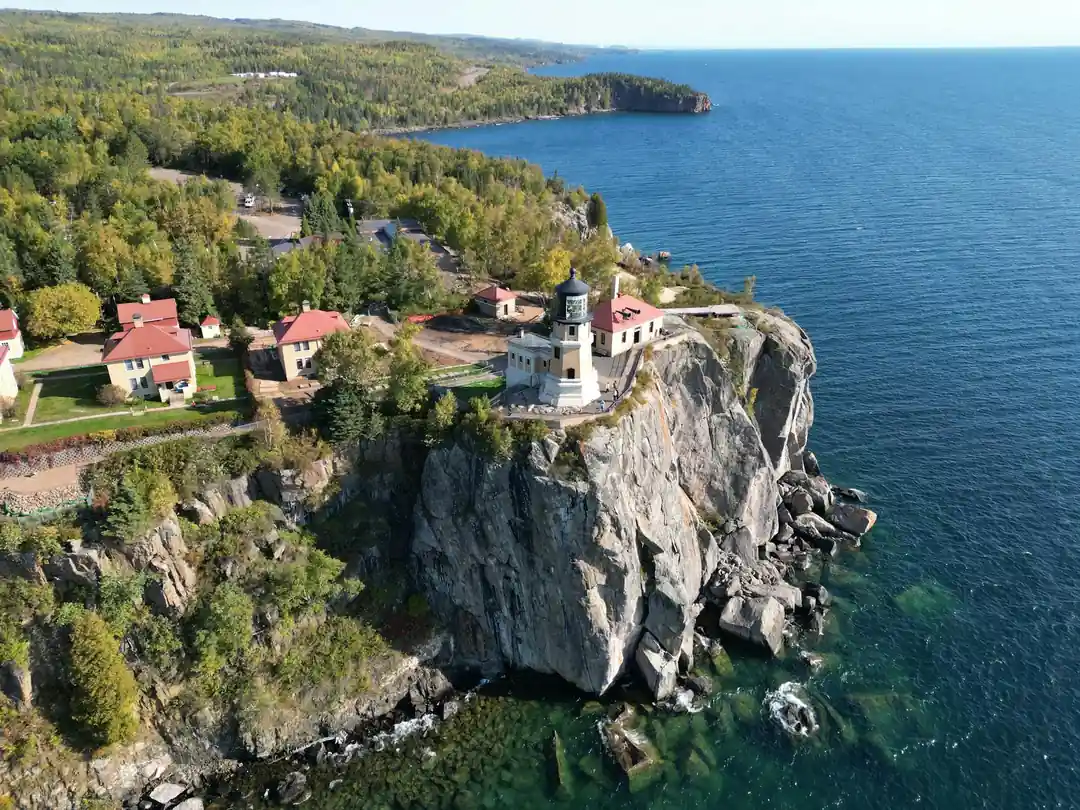
Beyond the big-name parks, the region is bursting with free attractions. You can chase waterfalls across the Upper Peninsula, many of which are just a short walk from the road. You can spend an afternoon hunting for agates on the shores of Lake Superior. You can explore the historic lighthouses that dot the coastline—while some charge to climb the tower, admiring them from the outside is always free. And don't forget the simple joy of a scenic drive. Routes like Minnesota's North Shore Scenic Drive (Highway 61) or Michigan's M-22 are legendary for a reason, offering one spectacular, free viewpoint after another.
This journey taught me that a limited budget doesn't limit the experience; it enhances it. It forces you to connect with your surroundings more deeply, to find joy in the simple things, and to discover the incredible generosity of the natural world. So go ahead, start planning. The Great Lakes are waiting, and they are far more accessible than you ever imagined.
Casting into the Great Lake: A Beginner's Guide to Fishing Lake Erie
Chasing Sunsets: Discovering the Best Public Beaches on Lake Erie's U.S. Coast
Related Posts
 TRANSPORT
Beyond the Highway: Finding Canada's Soul on a Western Rail Adventure
Forget road trips. I'm talking about rediscovering the romance of travel on Via Rail's most scenic routes through the heart of the Canadian West. It’s an experience that changes you.
 TRAVEL TIPS
The Unwritten Rules of the North: What to Know Before Camping in Canada
Heading to the Great White North for a camping trip? It's an amazing idea. But from campfire etiquette to wildlife wisdom, here’s what you need to know before you go.
Popular Posts

Rethinking Non-Profit Promotion: Creative Strategies That Actually Drive Event Impact

Beyond Stark White: The Best Interior Paint Colors to Light Up Your New Space

How to Actually Master a New Language on Your Own (No Magic Gene Required)
