Finding Your Perfect Season: When Is the Best Time to Visit Northern India?
Thinking about a trip to the vibrant landscapes of Northern India? Timing is everything. Let's break down the seasons to help you plan an unforgettable journey.
So, you’re dreaming of Northern India. I get it. It’s a place that pulls you in with promises of ancient forts, sprawling deserts, chaotic and colorful cities, and the serene, humbling presence of the Himalayas. But planning a trip to a region so vast and diverse can feel a little overwhelming, especially when you start thinking about the weather. Honestly, picking the right time to go can be the single most important decision you make. It’s the difference between a good trip and a truly life-changing one.
I’ve spent countless hours poring over travel guides and firsthand accounts, and the consensus is pretty clear. While Northern India is a year-round destination in one way or another, there’s a definite sweet spot that makes exploring its most iconic sights an absolute pleasure. It’s all about avoiding the extreme heat and the drenching monsoons that can, quite literally, put a damper on your plans.
Let’s walk through the seasons together. Think of it as a friendly chat over coffee, where we figure out the perfect window for the adventure you’re imagining.
The Golden Months: Autumn & Winter (October to March)
If you're looking for the short answer, this is it. The period from October to March is widely considered the absolute best time to visit the plains of Northern India, which includes iconic destinations like Delhi, Agra, Varanasi, and the entire state of Rajasthan. After the monsoon rains have washed the dust away, the landscape is surprisingly lush, the air is clean, and the temperatures are just about perfect.
Imagine wandering through the vibrant markets of Jaipur or standing before the Taj Mahal without the sun beating down on you. During these months, daytime temperatures are pleasantly warm, usually hovering in the 70s and low 80s Fahrenheit (about 20-28°C), while the evenings become cool and comfortable. It’s ideal weather for sightseeing, photography, and just soaking in the atmosphere without feeling drained by the heat.
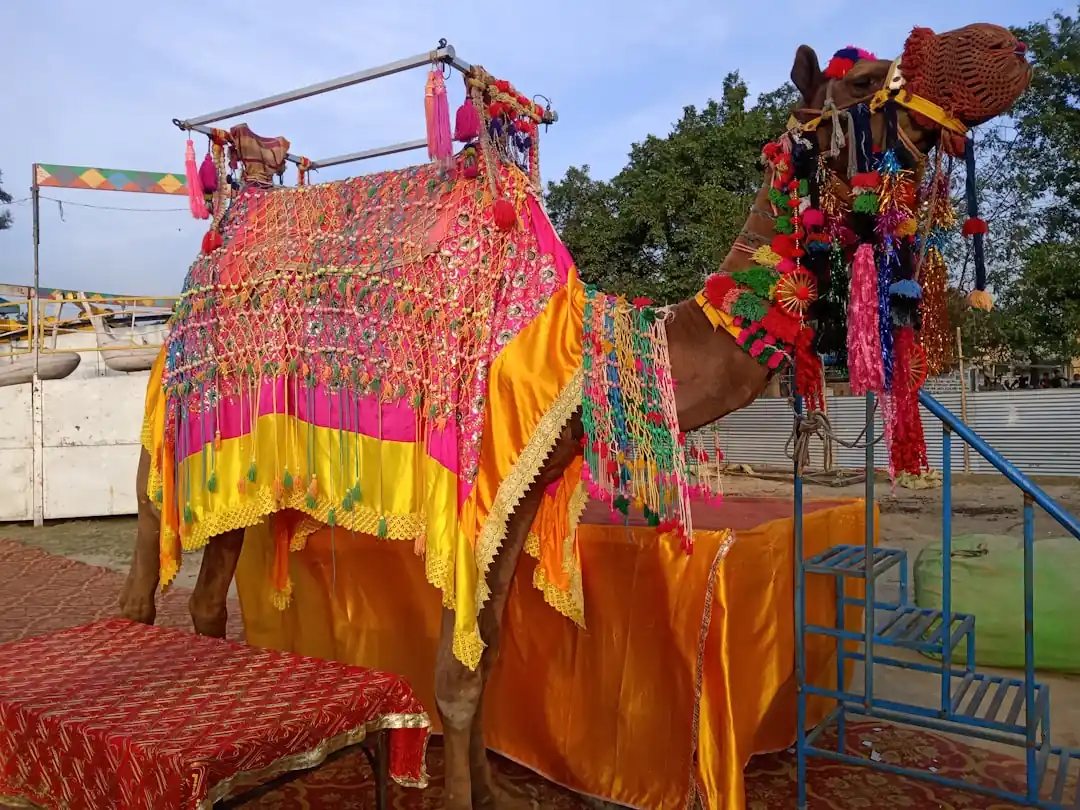
This is also festival season! Diwali, the festival of lights, usually falls in October or November and is an absolutely magical time to be in India. The entire country comes alive with a joyous energy, homes are decorated with lamps, and fireworks light up the night sky. Then you have Holi, the festival of colors, which typically arrives in March, offering a riotously fun and unforgettable cultural experience. Planning your trip around these events can add a whole other dimension to your travels. A word of caution for January and early February: this is the heart of winter, and while the days are often sunny and crisp, Delhi can experience thick fog, and the nights, especially in the desert regions of Rajasthan, can be surprisingly cold. Packing layers is key!
The Shoulder Seasons: Spring & The Pre-Monsoon (April to June)
This is where things start to get a bit more complicated, and your itinerary really matters. The months of April, May, and June are the run-up to the monsoon, and it gets hot. Really hot. In the plains and Rajasthan, temperatures can easily soar past 100°F (40°C), and sightseeing during the day can become a serious, sweaty challenge. For many, this heat can be a deal-breaker.
But it’s not a complete write-off. If you can handle the heat, you’ll be rewarded with far fewer crowds at major tourist sites and often lower prices for flights and hotels. It’s a trade-off you have to weigh for yourself. My advice? If you travel during this time, plan your days to start very early, take a long break in an air-conditioned spot during the peak afternoon heat, and then head out again in the evening.
However, this is precisely the best time to visit the Himalayan states like Himachal Pradesh and Uttarakhand. While the plains are baking, mountain towns like Shimla, Manali, and Dharamshala are experiencing beautiful, mild spring weather. The snow from winter is melting, flowers are in bloom, and the trekking routes begin to open up. It’s a completely different world. So, if your vision of India is more about mountains and monasteries than palaces and deserts, this is your season.
The Monsoon & Mountain Glory (July to September)
From July through September, the monsoon sweeps across most of Northern India. This means heavy rains, high humidity, and the potential for travel disruptions like flooded roads and delayed trains. For most tourists, especially first-timers, this is probably the most challenging time to visit the plains. Exploring cities when it’s pouring rain just isn’t that much fun, and the humidity can feel oppressive.
But again, there are exceptions. The monsoon transforms the landscape into an incredibly vibrant, lush green. The Aravalli Hills in Rajasthan, normally arid and brown, suddenly come to life. It’s a side of India that many visitors never see, and for photographers, it can be a dream. If you’re a seasoned traveler who doesn’t mind a bit of rain and wants to see a different face of the country, it could be an interesting option.
Crucially, this is the absolute peak season for one very special place: Ladakh. Tucked away in a high-altitude rain shadow, Ladakh is protected from the monsoon. While the rest of India is getting drenched, Ladakh is bathed in brilliant sunshine, with clear blue skies and breathtaking views of its stark, lunar-like landscapes. The roads to this remote region are reliably open, and it’s the perfect time for trekking, road trips, and visiting its iconic Buddhist monasteries.
Ultimately, the "best" time is deeply personal. It depends on your tolerance for heat, your budget, and, most importantly, what you want to see and do. Do you want the classic, comfortable tour of Rajasthan's palaces? Go in the winter. Are you dreaming of Himalayan treks? Spring and summer are your friends. But no matter when you go, Northern India is sure to leave its mark on you.

Your Ultimate Two-Week India Packing Guide: A US Traveler's Handbook
Ditching the Rental Car: Can You Really Explore Phoenix and Tucson on Public Transit?

Related Posts
 TRANSPORT
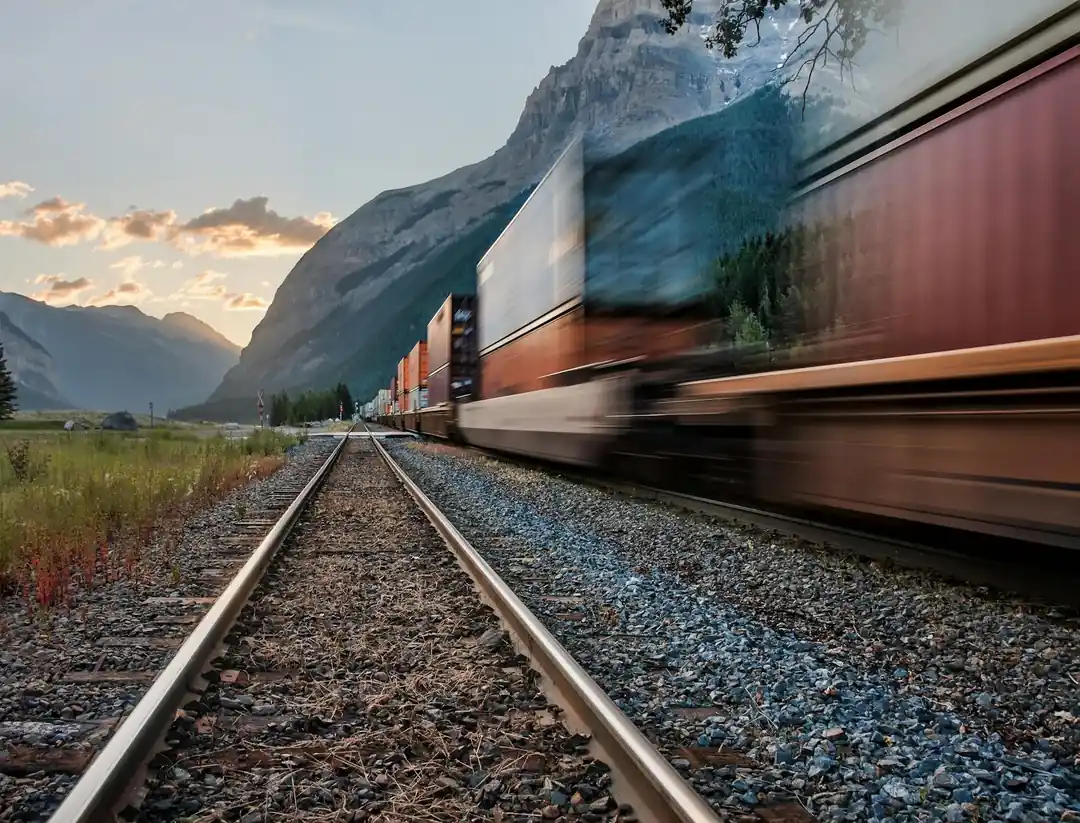
Beyond the Highway: Finding Canada's Soul on a Western Rail Adventure
Forget road trips. I'm talking about rediscovering the romance of travel on Via Rail's most scenic routes through the heart of the Canadian West. It’s an experience that changes you.
 TRAVEL TIPS
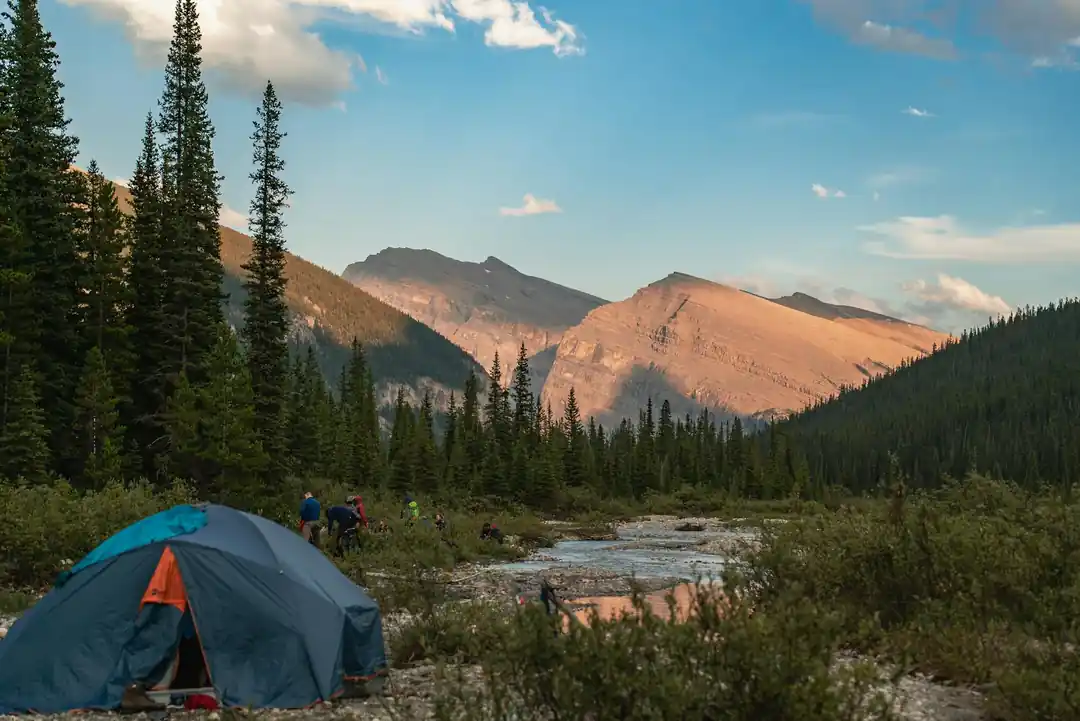
The Unwritten Rules of the North: What to Know Before Camping in Canada
Heading to the Great White North for a camping trip? It's an amazing idea. But from campfire etiquette to wildlife wisdom, here’s what you need to know before you go.

Popular Posts

Rethinking Non-Profit Promotion: Creative Strategies That Actually Drive Event Impact

Beyond Stark White: The Best Interior Paint Colors to Light Up Your New Space

How to Actually Master a New Language on Your Own (No Magic Gene Required)
