More Than a Canyon: How to Plan an Unforgettable 7-Day Arizona Road Trip
Forget what you think you know about the desert. This itinerary is your guide to a week of awe-inspiring landscapes, from Sedona's spiritual red rocks to the iconic depths of the Grand Canyon.
There’s a certain kind of magic that only reveals itself on the open road, somewhere between the curated playlists and the gas station coffee. It’s a feeling of boundless freedom, and I can’t think of a place that embodies this spirit more than Arizona. For years, I pictured it as a monolithic landscape of just cacti and canyons. But my first real road trip through the state completely shattered that illusion. It’s a painter’s palette, a geological wonderland, and a place of profound quiet that stays with you long after you’ve returned home.
Planning a trip of this scale, however, can feel like trying to solve a massive, beautiful puzzle. Where do you even begin when every corner of the state seems to hold another natural wonder? That’s the exact feeling that prompted me to put together this itinerary. It’s a journey born from my own experiences, blending the must-see icons with the flexibility a true road trip deserves. This isn’t just a checklist; it’s a narrative waiting for you to step into.
We’ll journey from the vibrant energy of Phoenix to the spiritual heart of Sedona, stand at the edge of the world at the Grand Canyon, and witness light itself become art in the depths of Antelope Canyon. This 7-day guide is designed to be both comprehensive and inspiring, giving you a framework to build your own unforgettable story. Just remember, the best time for this adventure is typically in the spring (March-May) or fall (September-November), when the weather is your best friend, letting you explore without the intense summer heat.
Day 1: Arrival in Phoenix & the Scenic Drive to Sedona
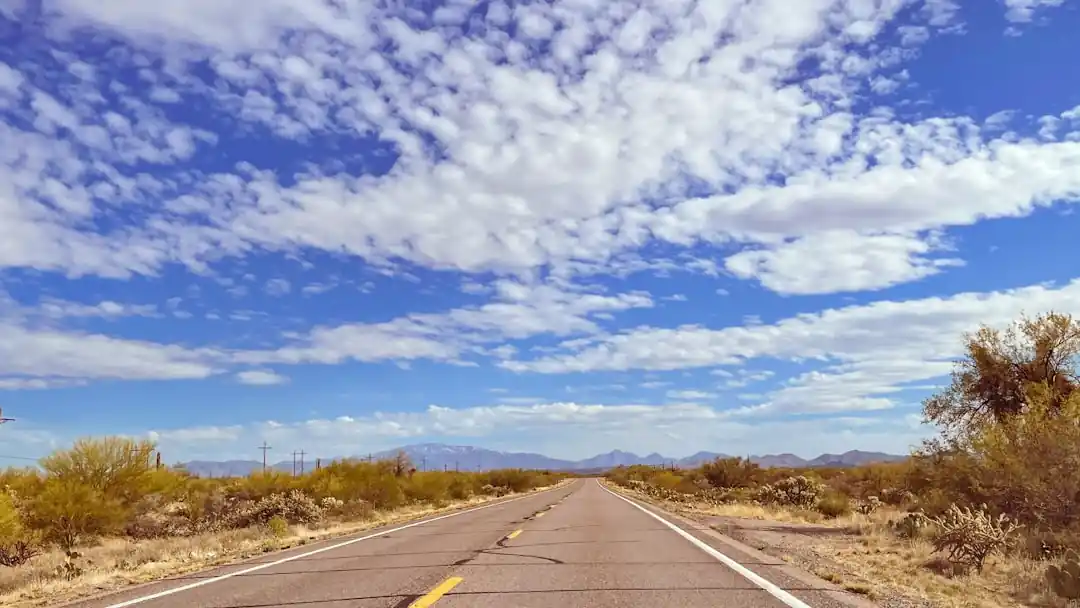
Most Arizona adventures begin in Phoenix, and for good reason. It’s a sprawling, energetic city that serves as the perfect launchpad. Once you’ve picked up your rental car—the essential key to this entire journey—the real transformation begins. The two-hour drive north on I-17 is more than just a commute; it’s a gradual unveiling of what’s to come. The landscape slowly sheds its urban skin, and the iconic saguaro cacti begin to stand like silent sentinels, hinting at the wildness ahead.
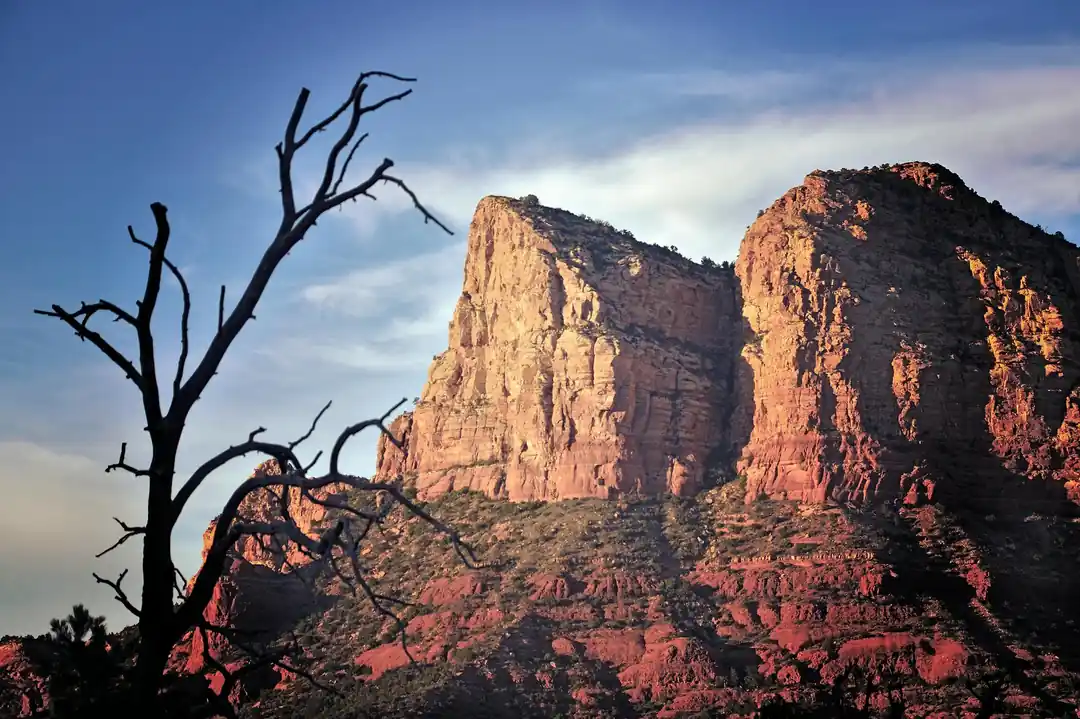
As you get closer to Sedona, the scenery makes a dramatic shift. The earth deepens into shades of ochre and crimson, and the first of the monumental red rock formations rise up to greet you. I’ll never forget my first time seeing them; it felt like driving onto a different planet. This is a moment to have your camera ready, though no photo ever truly captures the scale of it.
Upon arriving in Sedona, resist the urge to immediately check in and drop your bags. Instead, take a slow, deliberate drive along the Red Rock Scenic Byway (State Route 179). This road is an attraction in itself, offering jaw-dropping views of landmarks like Bell Rock and Cathedral Rock. Find a pull-off, step out of the car, and just breathe. The air here feels different, charged with a quiet energy. Watching the late afternoon sun make the rocks glow is the perfect, soul-stirring introduction to the magic of Sedona.
Day 2: Hiking and Healing in Sedona
Waking up in Sedona is an experience. The morning light catches the tops of the rock formations, and the whole valley seems to hum with a peaceful, creative energy. Today is about immersing yourself in that feeling. Sedona is a hiker’s paradise, with trails for every ambition and fitness level. For a truly iconic experience, the Devil's Bridge Trail is a popular choice, leading to the largest natural sandstone arch in the area. It’s a bit of a scramble at the end, but the photo-op and the views are absolutely worth it. Just be sure to go early to avoid the biggest crowds.
If you’re looking for something a bit more meditative, I’m personally drawn to the Airport Mesa Loop. It offers stunning panoramic views of the entire Sedona area and is also considered one of the area's strongest vortex sites. Now, the whole vortex thing can sound a little out there, but I encourage you to approach it with an open mind. I once sat there for an hour, just watching the clouds drift by, and I can honestly say I walked away feeling more centered and calm than I had in months. It’s less about a mystical force and more about giving yourself permission to be still in a place of incredible natural beauty.
After a morning on the trails, spend the afternoon exploring the town itself. Sedona’s main street is lined with a fascinating mix of art galleries, New Age shops, and cozy cafes. It’s the perfect place to find a unique piece of turquoise jewelry or simply grab a coffee and people-watch. Don’t rush it. The charm of Sedona is in its unhurried pace, a welcome contrast to the miles you’ll be covering later in the week.
Day 3: The Grand Reveal – Journey to the Grand Canyon
Today, we trade the intimate beauty of Sedona’s red rocks for the incomprehensible scale of the Grand Canyon. The drive north takes you up through the cool pine forests of Flagstaff and onto the Coconino Plateau. The landscape flattens out, giving no hint of the spectacle that awaits. And then, it happens. You round a corner, park your car, and walk towards the rim. No amount of preparation can truly ready you for that first view. It’s a profound, humbling silence that falls over you as your brain tries to process the sheer immensity of the chasm before you.
Your first stop will likely be Mather Point, the viewpoint closest to the main visitor center. It’s a fantastic introduction, offering sweeping, panoramic views. From there, take a short walk along the Rim Trail to Yavapai Point, which houses a small geology museum. I spent a good half-hour in there on my first trip, and it gave me a much deeper appreciation for the millions of years of Earth’s history laid bare in the canyon walls.
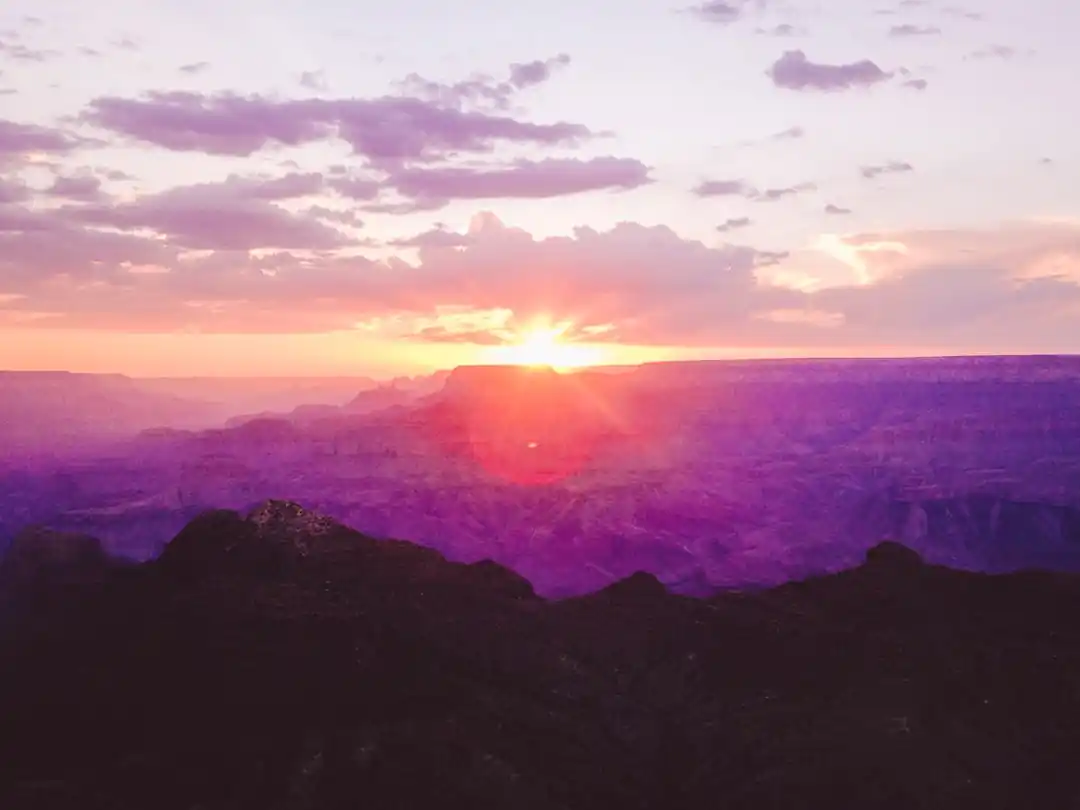
As the day wears on, make your way east along Desert View Drive. This scenic road stretches for about 25 miles and is dotted with numerous pull-offs, each offering a slightly different personality. My personal favorite for sunset is Lipan Point. It provides a wider view of the canyon and a stunning angle on the Colorado River below. Watching the shadows stretch and the colors shift from fiery orange to deep violet is a core memory, a moment of pure, unadulterated awe that defines any trip to the Grand Canyon.
Day 4: Sunrise and Perspectives at the South Rim
There are two things you must do at the Grand Canyon: see a sunset and see a sunrise. Waking up before dawn might feel like a chore, but I promise you it’s worth it. Head back to Mather Point or Yavapai Point in the pre-dawn chill. Watching the first rays of light spill into the canyon, chasing away the shadows and illuminating the layers of rock, is a spiritual experience. The world feels brand new, and you’re there to witness its creation.
After sunrise, it’s time to gain a new perspective. While the views from the rim are spectacular, hiking even a short distance into the canyon offers a completely different appreciation for its size. The South Kaibab Trail is a great option for this. You don’t have to go far. The hike to "Ooh Aah Point" is just under a mile each way and provides incredible, open views back up the trail and into the canyon's depths. It’s just enough to make you feel the vastness in your bones, and to appreciate the effort it takes to climb back out!
Spend the rest of the day exploring the western part of the rim via the park’s free shuttle bus system. The route to Hermit's Rest is closed to private vehicles for most of the year, which makes for a peaceful journey. Hop off at various points like Hopi Point or The Abyss. Each stop reveals new side canyons and formations, proving that the Grand Canyon is not just one single view, but an infinite collection of them.
Day 5: Horseshoe Bend and the Light of Antelope Canyon
Leaving the Grand Canyon behind, we head east towards the small town of Page, the base for two of Arizona’s most photogenic wonders. Our first stop is the iconic Horseshoe Bend. After a short walk from the parking area, you’ll arrive at the edge of a cliff overlooking a dramatic, 270-degree curve in the Colorado River. The deep blue-green of the water against the orange sandstone is a stunning contrast. It’s a place that feels both massive and intimate at the same time.
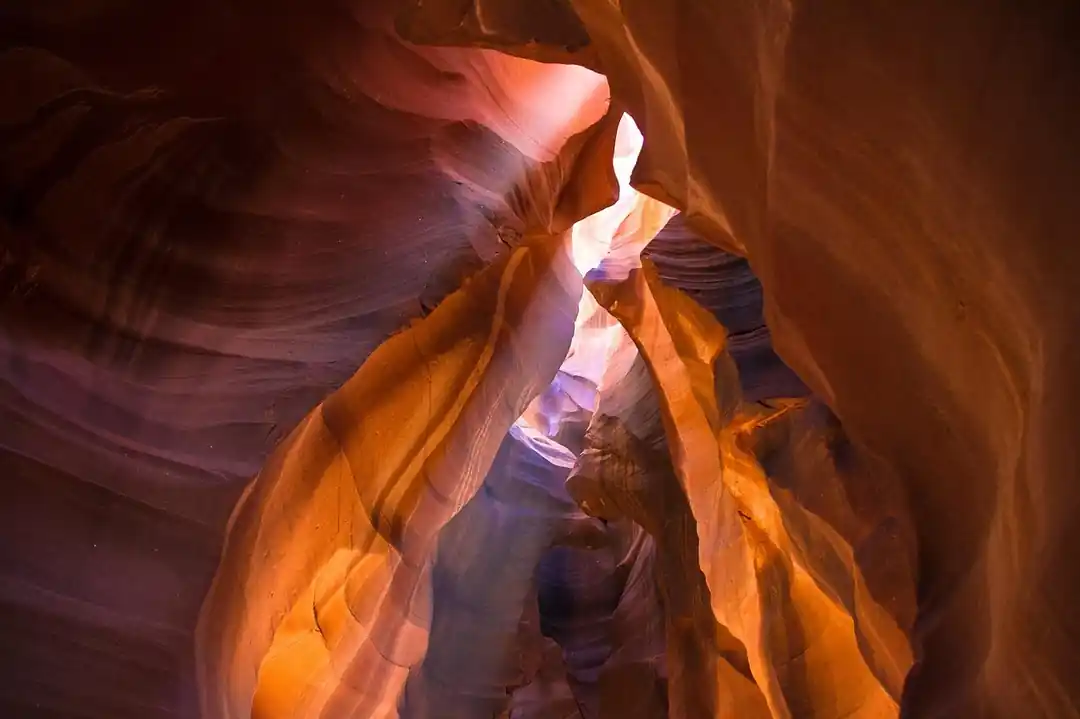
The main event in Page, however, is Antelope Canyon. This slot canyon, located on Navajo land, is a true geological masterpiece, sculpted by flash floods over countless millennia. It is absolutely essential to book a guided tour well in advance, as access is strictly controlled. Walking through the narrow, winding passages is an otherworldly experience. The way the sunlight filters down from above, creating beams of light and making the sandstone walls glow in shades of orange, pink, and purple, is simply breathtaking.
I remember my guide pointing out shapes in the rock—a bear here, an eagle there—and sharing stories of the canyon’s significance to the Navajo people. It transformed the visit from a simple photo opportunity into a meaningful cultural experience. This is a place where you’ll want to put your phone down for a moment (after getting that perfect shot, of course) and just absorb the surreal beauty around you.
Day 6: Monument Valley's Cinematic Landscapes
Today involves a bit more driving, but the destination is one of the most iconic landscapes in the entire American West: Monument Valley. The drive itself is part of the experience, taking you deeper into the heart of the Navajo Nation. As you approach, the landscape begins to flatten, and then, suddenly, the famous sandstone buttes and mesas rise dramatically from the desert floor. It’s a view so cinematic you’ll feel like you’ve driven straight into a John Ford western.
The best way to experience the valley is by driving the 17-mile Valley Drive. While the road is unpaved and can be bumpy, it’s generally manageable for most cars. This loop takes you past famous formations like the Mittens, the Three Sisters, and John Ford's Point. Each stop offers a new composition, a new angle on these majestic monoliths that have stood for millions of years.
For an even deeper experience, consider hiring a Navajo guide for a backcountry tour. They can take you to areas of the park that are off-limits to the general public, including ancient petroglyphs and stunning natural arches. Hearing the stories and legends associated with the land from someone whose ancestors have lived there for generations adds an invaluable layer of context and meaning to the breathtaking scenery. Watching the sunset here, as the buttes are reduced to stark silhouettes against a fiery sky, is a moment of pure desert magic.
Day 7: A Final Desert Sunrise and the Road Home
Waking up for one last sunrise in Monument Valley is a powerful way to end your journey. The soft morning light brings a gentle warmth to the red earth, and the valley is at its most peaceful. It’s a perfect time for reflection, for soaking in the last moments of this incredible landscape before beginning the long drive back towards Phoenix (or your chosen departure city).
The drive back is a time to process. The miles will roll by, but the images from the past week will be vivid in your mind: the glow of Sedona’s rocks, the dizzying depth of the Grand Canyon, the ethereal light of Antelope Canyon, and the stoic majesty of Monument Valley’s buttes. You’ll have seen more than just a canyon; you’ll have experienced a cross-section of some of the most unique and awe-inspiring landscapes on the planet.
An Arizona road trip is more than a vacation; it’s a reset. It’s a reminder of the scale of nature and our small place within it. It’s the quiet moments, the stunning vistas, and the endless ribbon of road that ultimately make the journey. And as you head home, you’ll carry a piece of that desert peace with you, already dreaming of the next open road.
The Ultimate Guide to Renting a Car and Driving in Arizona
Arizona's Crown Jewels: A Guide to the Best National Parks
Related Posts
 TRANSPORT
Beyond the Highway: Finding Canada's Soul on a Western Rail Adventure
Forget road trips. I'm talking about rediscovering the romance of travel on Via Rail's most scenic routes through the heart of the Canadian West. It’s an experience that changes you.
 TRAVEL TIPS
The Unwritten Rules of the North: What to Know Before Camping in Canada
Heading to the Great White North for a camping trip? It's an amazing idea. But from campfire etiquette to wildlife wisdom, here’s what you need to know before you go.

Popular Posts

Rethinking Non-Profit Promotion: Creative Strategies That Actually Drive Event Impact

Beyond Stark White: The Best Interior Paint Colors to Light Up Your New Space

How to Actually Master a New Language on Your Own (No Magic Gene Required)
