Is your website as healthy as it looks? We're diving deep into the performance metrics that go beyond simple page speed to reveal what truly matters for user experience and success.
We've all been there. You click a link, excited to read an article or check out a new product, only to be met with a blank white screen that seems to stretch on for an eternity. How long do you wait? If you're like most people in the US, not very long. In a world of instant gratification, a slow or clunky website is more than just a minor annoyance—it's a business killer. It drives away potential customers, tanks your search engine rankings, and can seriously damage your brand's reputation.
For years, the conversation around website performance was dominated by one thing: page load speed. While that's still incredibly important, the landscape has become much more sophisticated. It's no longer just about how fast your page loads, but how it loads. What is the user's experience like during that loading process? Can they interact with the page quickly? Does the layout unexpectedly shift, causing them to click on the wrong thing? These are the questions that separate a good website from a great one.
Thinking about performance monitoring can feel overwhelming, like you're trying to decipher a secret code. But honestly, it's just about listening to what your website is telling you. These metrics are the voice of your users, signaling frustration or delight. By tuning into the right frequencies—specifically, Google's Core Web Vitals and other key indicators—you can move from simply having a website to cultivating a powerful, efficient, and user-friendly digital experience. Let's break down the signals that matter most.
The Holy Trinity: Core Web Vitals
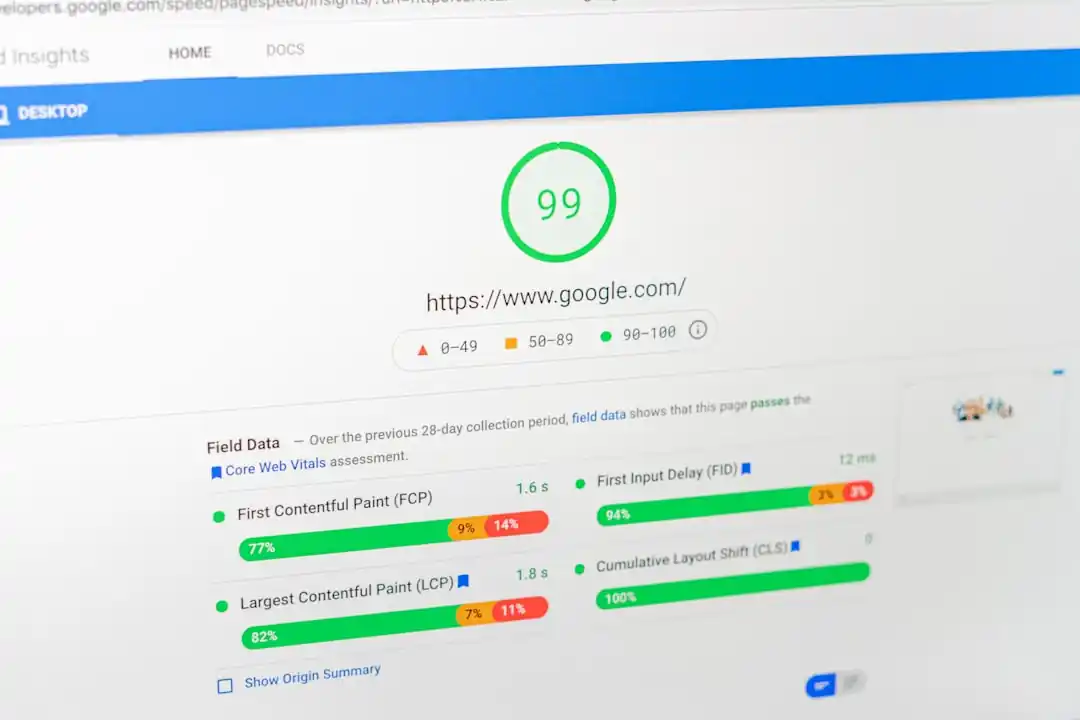
Google introduced Core Web Vitals to provide a unified set of signals that are critical to delivering a great user experience. Think of these as the three most important check-ups you can do for your site's health. They focus on loading, interactivity, and visual stability.
1. Largest Contentful Paint (LCP)
First up is LCP, which measures loading performance. Specifically, it marks the point in the page load timeline when the main content—usually the largest image or text block—has likely loaded. A fast LCP helps reassure the user that the page is actually useful. If you've ever stared at a page, wondering if it's broken because nothing but the header has appeared, you've felt the pain of a slow LCP. A good target to aim for is an LCP of 2.5 seconds or less. Anything over 4 seconds is considered poor and needs immediate attention. Common culprits include slow server response times, render-blocking JavaScript and CSS, and large, unoptimized images.
2. First Input Delay (FID)
Next, we have FID, which measures interactivity. It quantifies the experience users feel when trying to interact with a page that isn't yet responsive. It measures the time from when a user first interacts with your site (i.e., when they click a link, tap a button) to the time when the browser is actually able to respond to that interaction. A low FID is essential for making a site feel responsive and immediate. Have you ever tried to click a button on a page and nothing happens for a moment? That's FID in action (or, rather, inaction). You should aim for an FID of 100 milliseconds or less. The primary cause of a poor FID is heavy JavaScript execution that keeps the browser's main thread busy.
3. Cumulative Layout Shift (CLS)
Finally, there's CLS, which addresses visual stability. This metric measures the unexpected shifting of page elements while the page is still loading. It's one of the most frustrating user experiences. Imagine you're about to tap a "Go Back" button, but just as your finger touches the screen, an ad loads at the top, pushing the entire page down and causing you to click "Submit Order" instead. It's infuriating, and it's what CLS is designed to quantify. A good CLS score is 0.1 or less. These shifts are often caused by images or ads with unknown dimensions, or content that is dynamically injected into the page.
Beyond the Core: Other Essential Metrics
While the Core Web Vitals are the stars of the show, a few other metrics provide crucial context and help you diagnose the root causes of performance issues.
Time to First Byte (TTFB)
Before any of the fancy rendering can happen, your browser has to get the first piece of information from the server. TTFB measures how long it takes for that to happen. It's a fundamental metric for server responsiveness. A slow TTFB could indicate network issues, a poorly configured server, or a backend that's struggling to generate the content. It directly impacts every other downstream metric, including LCP. If your TTFB is high, your users are waiting before the page even begins to render.
Apdex (Application Performance Index)
Apdex is a bit different; it's a user-centric metric that measures user satisfaction with your application's response time. It's not a direct timing but a score from 0 to 1 (with 1 being the best). It converts many measurements into a single number that represents user satisfaction. You define a threshold for what you consider a "tolerable" response time. Requests that complete within that time are considered satisfying. Apdex gives you a high-level view of how happy your users are with your performance, which is, after all, the ultimate goal.
Monitoring your website's performance is not a one-and-done task. It's an ongoing process of measuring, tweaking, and improving. By focusing on these key metrics, you can move beyond simply having a fast website and start building an experience that is truly seamless, stable, and satisfying for every visitor. It’s a commitment to your audience, and in the digital world, that’s a commitment that always pays off.

From Passion to Profit: A Beginner's Guide to Making Money with Stock Photography
Your First Panel: A Beginner's Guide to Starting a Webcomic

Related Posts
 MOBILE
The Great Console Debate: How to Choose the Right Gaming System for Your Family
Feeling stuck between a Switch, a PlayStation, and an Xbox? Let's break down which gaming console is the perfect fit for your family's game nights.
 MOBILE
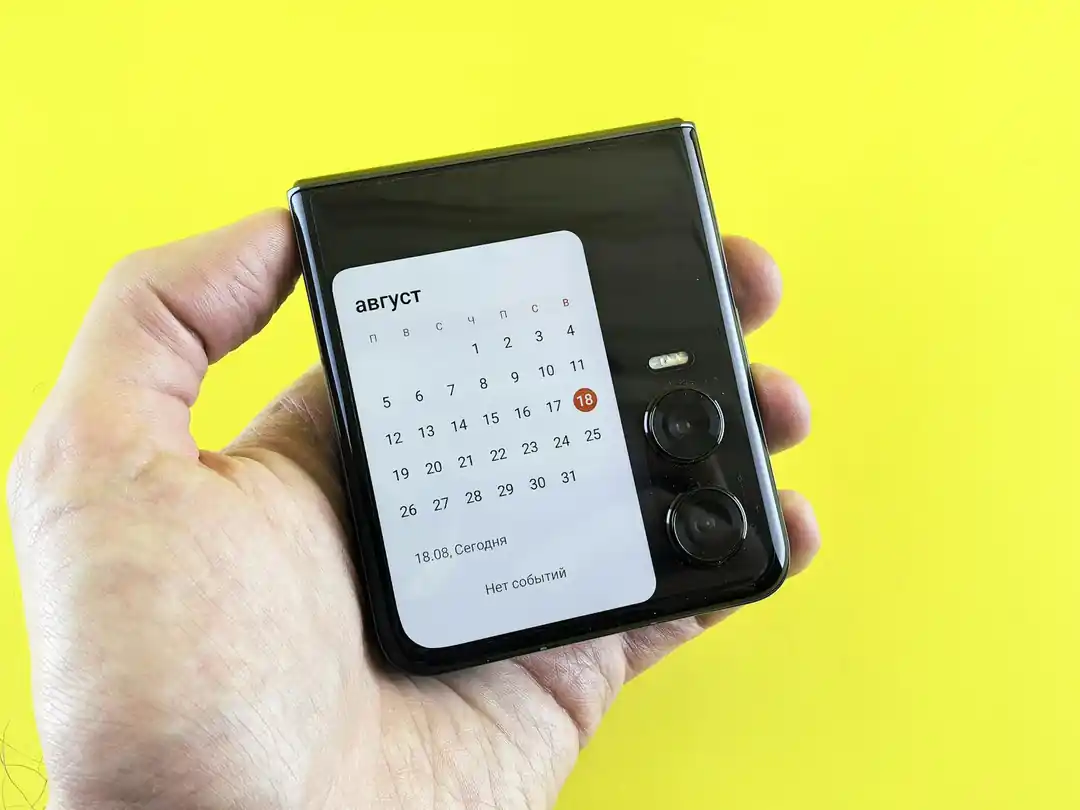
From Fragile to Formidable: The Surprising Evolution of Foldable Phone Durability
Remember when the idea of folding a smartphone screen in half felt like a disaster waiting to happen? Let's talk about how far they've come, because the story is pretty incredible.

Popular Posts

Rethinking Non-Profit Promotion: Creative Strategies That Actually Drive Event Impact

Beyond Stark White: The Best Interior Paint Colors to Light Up Your New Space

How to Actually Master a New Language on Your Own (No Magic Gene Required)
