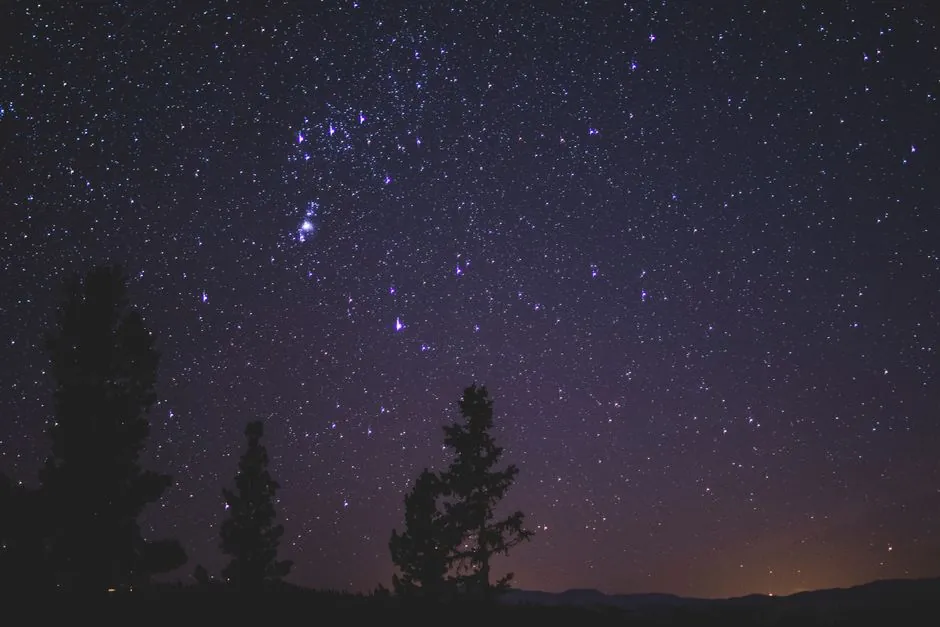
The Only Autumn Packing List You Need for New Zealand's Wild Weather
Heading to New Zealand in the fall? I learned the hard way that the weather is no joke. Here’s my personal, tried-and-tested guide to packing smart for the adventure of a lifetime.
There’s a certain kind of magic that settles over New Zealand in autumn. The fierce summer sun softens, the crowds begin to thin, and a breathtaking tapestry of gold, crimson, and orange unfolds across the landscape. I’m talking about the kind of scenery that makes you pull the car over every ten minutes, the kind that fills your camera roll and stays in your memory long after you've returned home. It’s, without a doubt, one of the most spectacular times to visit.
But here’s a little secret, a piece of wisdom I had to learn firsthand: New Zealand's beauty comes with a famously fickle temperament. The local saying, "four seasons in one day," isn't an exaggeration; it's a daily weather forecast. You can start your morning with crisp, brilliant sunshine, find yourself in a sudden downpour by lunch, and feel a distinct wintery chill in the air as evening approaches. Honestly, it’s part of the adventure.
Packing for this beautiful chaos, however, can feel a little daunting. My first trip, I was hopelessly underprepared, caught shivering on a windy shoreline more times than I’d like to admit. I promised myself I wouldn't make that mistake again. This isn't about bringing your entire wardrobe; it's about bringing the right pieces. It's about building a smart, adaptable system that lets you embrace every spontaneous hike, every misty morning, and every cozy cafe stop without a second thought about what you're wearing.
The Core of Your Wardrobe: Layering is Everything
If there is one piece of advice to take away, it's this: master the art of layering. This is the absolute foundation of a comfortable trip to New Zealand in autumn. Thinking of your clothes as a three-part system—base, mid, and outer—gives you the flexibility to adapt to any weather the day throws at you. It’s the difference between being miserably cold and being perfectly equipped to enjoy the view.
Your first line of defense is the base layer. I cannot recommend merino wool enough for this. It’s a bit of an investment, but its properties are perfect for travel. It’s incredibly soft, breathes so you don’t get clammy, and has the almost magical ability to keep you warm even if it gets a little damp. Best of all, it’s naturally odor-resistant, meaning you can wear it for a few days without needing to do laundry. A couple of long-sleeved merino tops are a non-negotiable starting point.
Next comes the mid-layer, which is all about insulation. This is your cozy fleece jacket, a versatile hoodie, or a warm sweater. A good quality fleece is ideal as it’s lightweight, provides excellent warmth, and dries quickly if you get caught in a light shower. I usually pack one technical fleece for hiking and one slightly more casual sweater for evenings or city exploring. For your legs, a pair of comfortable hiking pants is far more practical than jeans, which are heavy and take forever to dry. Many hiking pants are also wind-resistant and offer great freedom of movement.
Finally, your outer layer, or shell, is your shield against the elements. A high-quality waterproof and windproof jacket is perhaps the single most important item you will pack. Don't just go for "water-resistant"; you need something that can handle a proper downpour. Look for a jacket that is lightweight and can be easily packed into your day bag. This is the piece that will allow you to step out into a misty, drizzly day with confidence, turning what could be a weather-related disappointment into a moody, atmospheric adventure.
Footwear: Your Most Important Decision
You will walk. A lot. You’ll wander through the charming streets of Queenstown, trek along rugged coastal paths, and navigate forest trails carpeted in damp leaves. The ground beneath your feet will be varied, and often, a little wet. This is why your choice of footwear is one of the most critical packing decisions you'll make. The wrong shoes can, quite literally, stop you in your tracks.
A pair of sturdy, waterproof hiking boots is essential. Even if you don't plan on tackling any of the Great Walks, you'll find yourself on uneven, potentially muddy trails just to get to a stunning viewpoint. Good boots provide crucial ankle support, protect you from rocks, and, most importantly, keep your feet dry. There is nothing that ruins a day of exploring faster than the cold, squelchy feeling of wet socks. Make sure you break them in properly before your trip to avoid painful blisters.
Of course, you won't want to wear heavy boots all the time. For wandering through towns, visiting wineries, or going out for a nice dinner, a second pair of comfortable, casual shoes is a must. This could be a pair of stylish sneakers or comfortable flats—something you can walk in for hours without issue. I also like to throw in a pair of sandals or flip-flops. They’re perfect for wearing around your accommodation, giving your feet a break, or for a trip to a hot pool.
And please, don't forget about your socks! Good socks are the unsung heroes of happy feet. Pack several pairs of wool or synthetic hiking socks. They provide better cushioning than cotton, wick moisture away from your skin to help prevent blisters, and they dry much faster. It’s a small detail that makes a world of difference on a long day of walking.
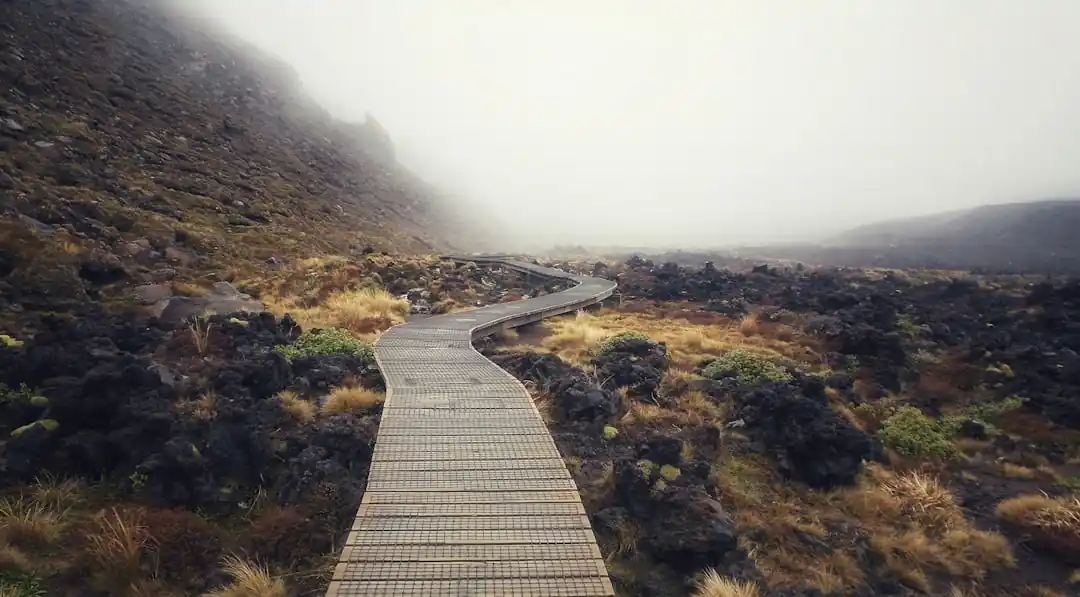
Don't Forget These Absolute Essentials
With your clothing and footwear sorted, it’s time to think about the smaller items. These are the essentials that will elevate your comfort and safety, the things you’ll be incredibly grateful you packed when the need arises. They are the supporting cast to your main wardrobe, and just as important.
First on the list is sun protection. It might be autumn, but the sun in New Zealand is deceptively strong due to a thinner ozone layer above the country. Sunscreen is a must, even on cloudy days. I learned this the hard way with a surprisingly red nose after a cool, overcast day of hiking. A good hat and a pair of sunglasses are also crucial for protecting you from UV rays and glare, especially when you're near water or snow.
Next, and this is a big one, is insect repellent. While New Zealand is wonderfully free of snakes and dangerous predators, it does have the sandfly. These tiny biting insects are most common in the beautiful, wild places you'll want to visit, like Fiordland and the West Coast. Their bites are incredibly itchy, so a potent repellent is your best defense.
A reusable water bottle is another must-have. The tap water in New Zealand is excellent, and staying hydrated is key, especially when you're active. You'll also want a comfortable daypack to carry all your daily essentials: your extra layers, water bottle, snacks, camera, and sunscreen. Finally, don't forget a universal travel adapter (New Zealand uses Type I outlets) and a portable power bank. You’ll be taking so many photos that your phone's battery will thank you for the extra juice.
I hope this gives you a head start on packing for what is sure to be an unforgettable trip. The key is to stay prepared, stay flexible, and most of all, to get out there and soak in every moment of New Zealand's stunning autumn display. Have the most incredible adventure.
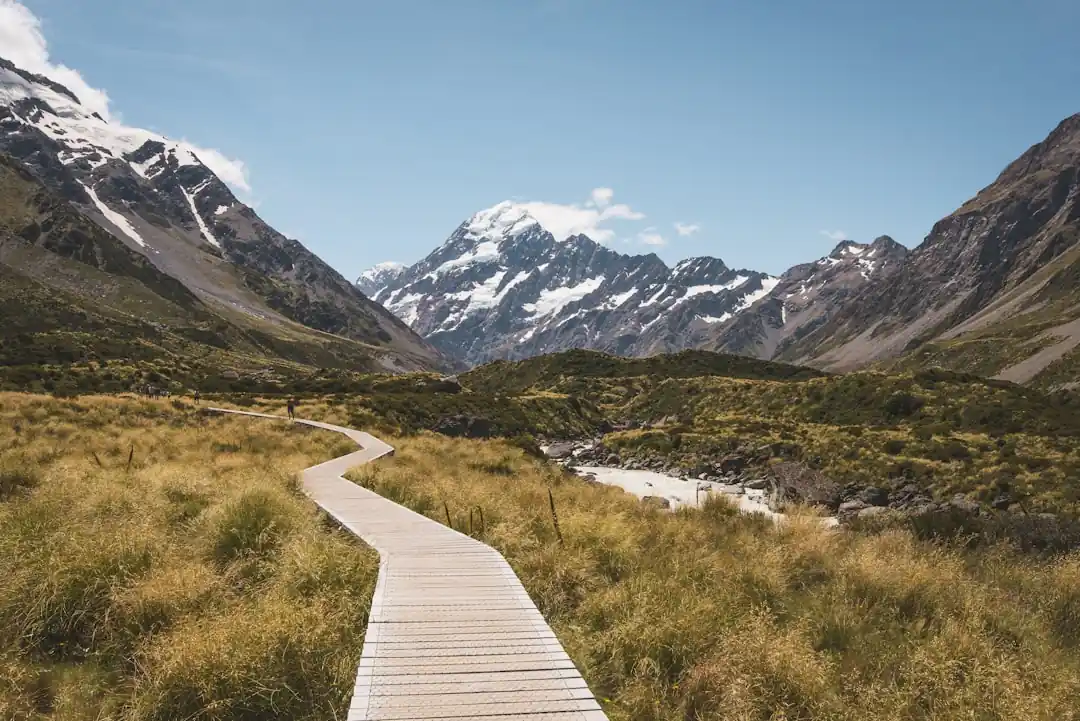
The Backpacker's Guide to New Zealand: How to See Middle-earth on a Budget
Beyond the Postcard: New Zealand's Must-See Natural Wonders

Related Posts
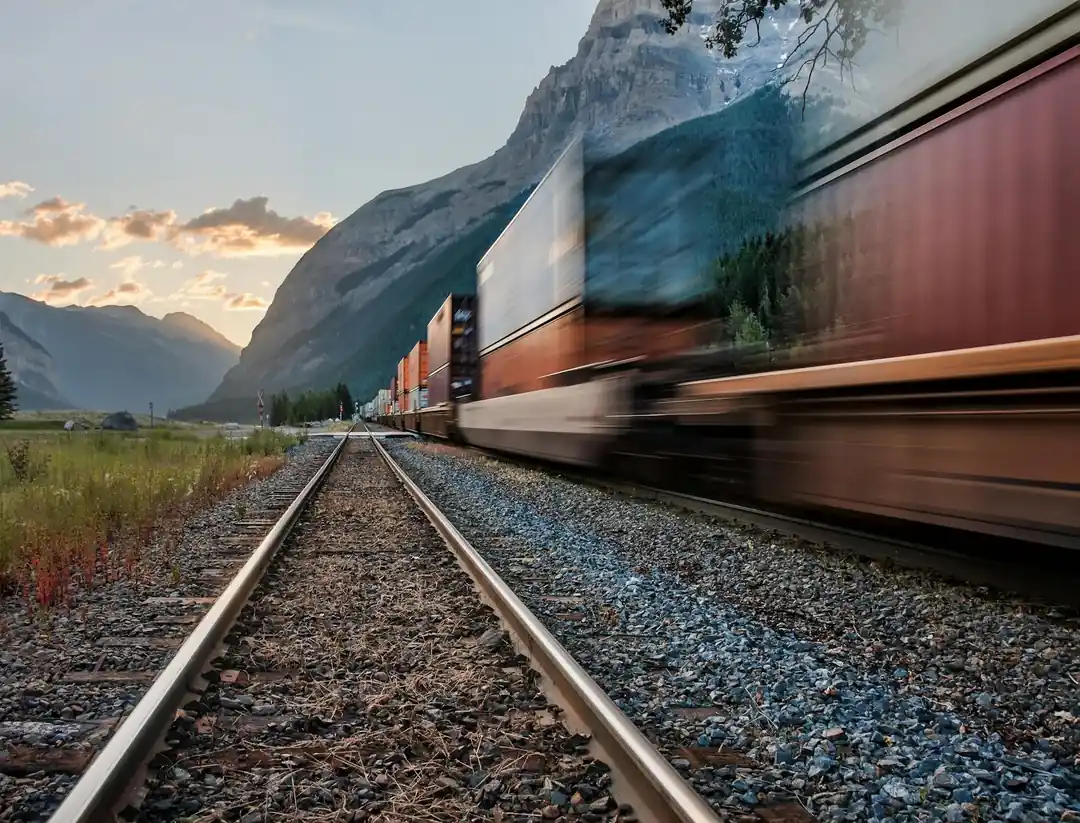 TRANSPORT
Beyond the Highway: Finding Canada's Soul on a Western Rail Adventure
Forget road trips. I'm talking about rediscovering the romance of travel on Via Rail's most scenic routes through the heart of the Canadian West. It’s an experience that changes you.
 TRAVEL TIPS
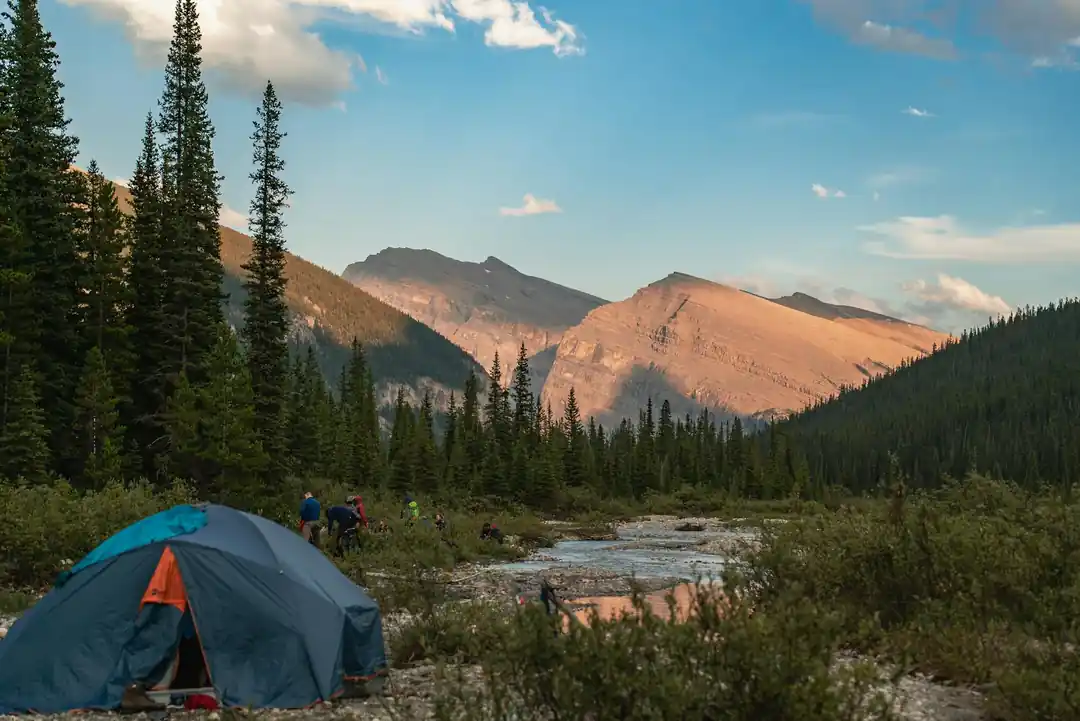
The Unwritten Rules of the North: What to Know Before Camping in Canada
Heading to the Great White North for a camping trip? It's an amazing idea. But from campfire etiquette to wildlife wisdom, here’s what you need to know before you go.

Popular Posts

Rethinking Non-Profit Promotion: Creative Strategies That Actually Drive Event Impact

Beyond Stark White: The Best Interior Paint Colors to Light Up Your New Space

The Simple Pre-Workout Fueling Strategy That Saved My Long Runs