How to Budget for 10 Days in Spain Without Breaking the Bank
Dreaming of Spanish sun, tapas, and sangria? Here’s a realistic, step-by-step guide to budgeting for a 10-day trip to Spain, from flights to that extra glass of Rioja.
There’s a certain magic to the idea of Spain. It’s the sound of a flamenco guitar echoing in a Seville plaza, the architectural marvels of Gaudí in Barcelona, and the taste of freshly made paella by the sea. For many of us in the US, a trip to Spain feels like a rite of passage. But between the daydreaming and the actual booking, there’s that one crucial step that can feel a little daunting: the budget. How much does it really cost to spend 10 days soaking up the Spanish sun?
Honestly, planning a budget is the least glamorous part of travel, but it’s the single most important thing you can do to ensure a stress-free vacation. It’s the framework that allows you to stop worrying about money and start focusing on the experiences. I used to be someone who would just “wing it,” and let me tell you, that approach often ends with a painful credit card statement and a side of regret.
The great news is that Spain is one of the most affordable countries in Western Europe. Your dollar can stretch surprisingly far, whether you’re a backpacker on a shoestring or looking for a more comfortable, mid-range experience. So, let’s pour a virtual glass of sangria and break down how to create a realistic budget for your 10-day Spanish adventure.
The Big Ticket Item: Flights
Let's get the biggest expense out of the way first: getting there. Flights from the US to Spain can vary wildly depending on the time of year, how far in advance you book, and your departure city. A round-trip flight can be as low as $450 if you’re flying in the off-season (like January or February) and book well in advance. On the other hand, if you’re planning a summer trip in July, you could be looking at prices upwards of $1,400.
Based on recent data, the average round-trip flight from the US to Spain hovers around $630. My best advice? Be flexible. Use tools like Google Flights or Skyscanner and set up alerts. Sometimes, flying into a major hub like Madrid (MAD) or Barcelona (BCN) is cheaper, and from there, you can take a budget-friendly domestic flight or a high-speed train to your final destination.
Think of booking your flight as a strategic game. Booking about three weeks in advance can save you a decent chunk of change, but the real sweet spot for the cheapest fares is often around 14 weeks out. Don't just look at direct flights; sometimes a layover in another European city can save you hundreds of dollars and even give you a mini-adventure for a few hours.
A Place to Rest Your Head: Accommodation
After flights, where you sleep will be your next biggest expense. The beauty of Spain is the sheer variety of options available, catering to every possible budget. For 10 nights, your costs could range from a couple of hundred dollars to several thousand.
For the true budget traveler, hostels are a fantastic option. You can find a dorm bed in a clean, social, and centrally located hostel for about $27 to $65 per night. This is an amazing way to meet other travelers and save money. If you’re traveling with a partner or just want more privacy, private rooms in hostels are also a great mid-point.
For a mid-range budget, you’re looking at comfortable 3-star hotels or well-located Airbnbs. Expect to pay anywhere from $75 to $190 per night, especially in major cities like Madrid and Barcelona. I often find that this is the sweet spot for comfort and value. You get your own space, a comfortable bed, and you’re still right in the heart of the action.
And for those looking for a bit of luxury? Spain has you covered. High-end hotels and boutique properties can start at around $165 per night and go up from there. While this will obviously increase your budget significantly, sometimes a little splurge for a night or two can be a memorable part of the trip.
Fueling Your Adventure: Food & Drink
This is where Spain truly shines. It is a country where you can eat and drink incredibly well for very little money. Honestly, the food is a huge part of the experience, from the bustling food markets to the cozy tapas bars.
On a tight budget, you could easily get by on $15 to $20 per day. This would involve taking advantage of the incredible menú del día—a fixed-price three-course lunch that usually includes a drink for about $13-$20. It’s what the locals do, and it’s a fantastic way to have your main meal in the middle of the day. You can also grab delicious sandwiches (bocadillos) or pastries for just a few euros.
For a more comfortable mid-range food budget, plan for around $30 to $40 per day. This allows you to enjoy a leisurely menú del día, have a coffee and pastry in the morning, and go out for a fun tapas crawl in the evening. A tapas dinner, where you hop from bar to bar sharing small plates, can be a surprisingly affordable and incredibly fun way to eat. A glass of house wine or a local beer will often only set you back $2.50 to $4.00.
Even if you decide to have a fancy dinner or two, it’s still quite reasonable compared to prices in the US. A nice meal at a mid-range restaurant for two people might cost between $40 and $70. The key is to eat where the locals eat. Wander a few blocks away from the main tourist squares, and you’ll often find better food at a fraction of the price.
Exploring Spain: Activities & Transportation
Getting around Spain is a breeze, thanks to its efficient and affordable public transportation system. Within cities like Madrid and Barcelona, the metro is your best friend. A single ticket costs around $1.60-$2.70, but buying a 10-journey pass is almost always more economical.
For traveling between cities, Spain’s high-speed train network (Renfe) is world-class. A ticket from Madrid to Barcelona, for example, can cost anywhere from $30 to $90, depending on how far in advance you book. Buses are an even cheaper alternative, though they take a bit longer.
When it comes to activities, costs can add up, but many of Spain’s greatest pleasures are free—like wandering through the Gothic Quarter in Barcelona or relaxing in Retiro Park in Madrid. For major attractions like the Alhambra in Granada or the Sagrada Familia in Barcelona, expect to pay entrance fees of around $12 to $20. It’s always a good idea to book these tickets online in advance to avoid long lines and ensure you get a spot.
A good rule of thumb is to budget about $20 to $30 per day for activities and local transport. This will give you enough flexibility to see the major sights, take a guided tour or two, and maybe even catch a flamenco show.
The Final Tally: A Sample 10-Day Budget
So, what does this all add up to? Here are a few sample budgets for a solo traveler for 10 days, not including flights:
-
The Budget Backpacker:
- Accommodation: $40/night x 10 nights = $400
- Food: $20/day x 10 days = $200
- Activities & Transport: $20/day x 10 days = $200
- Total: ~$800
-
The Mid-Range Explorer:
- Accommodation: $120/night x 10 nights = $1,200
- Food: $40/day x 10 days = $400
- Activities & Transport: $30/day x 10 days = $300
- Total: ~$1,900
-
The Luxury Seeker:
- Accommodation: $250/night x 10 nights = $2,500
- Food: $80/day x 10 days = $800
- Activities & Transport: $50/day x 10 days = $500
- Total: ~$3,800
Remember to always add a buffer of at least 10-15% for those unexpected costs—a souvenir you can’t live without, a taxi ride in the rain, or that extra glass of incredible Spanish wine.
Ultimately, your budget is a personal tool. It’s not about restriction; it’s about empowerment. It’s what allows you to book the ticket, pack your bags, and step onto that plane knowing that the adventure ahead is one you can truly afford. I hope this gives you the confidence to start planning your own Spanish dream.

Moving Sideways: Your Guide to a Smart Oblique Injury Recovery
How to Outsmart a Pickpocket in Spain: A Tourist's Guide to Staying Safe
Related Posts
 TRANSPORT
Beyond the Highway: Finding Canada's Soul on a Western Rail Adventure
Forget road trips. I'm talking about rediscovering the romance of travel on Via Rail's most scenic routes through the heart of the Canadian West. It’s an experience that changes you.
 TRAVEL TIPS
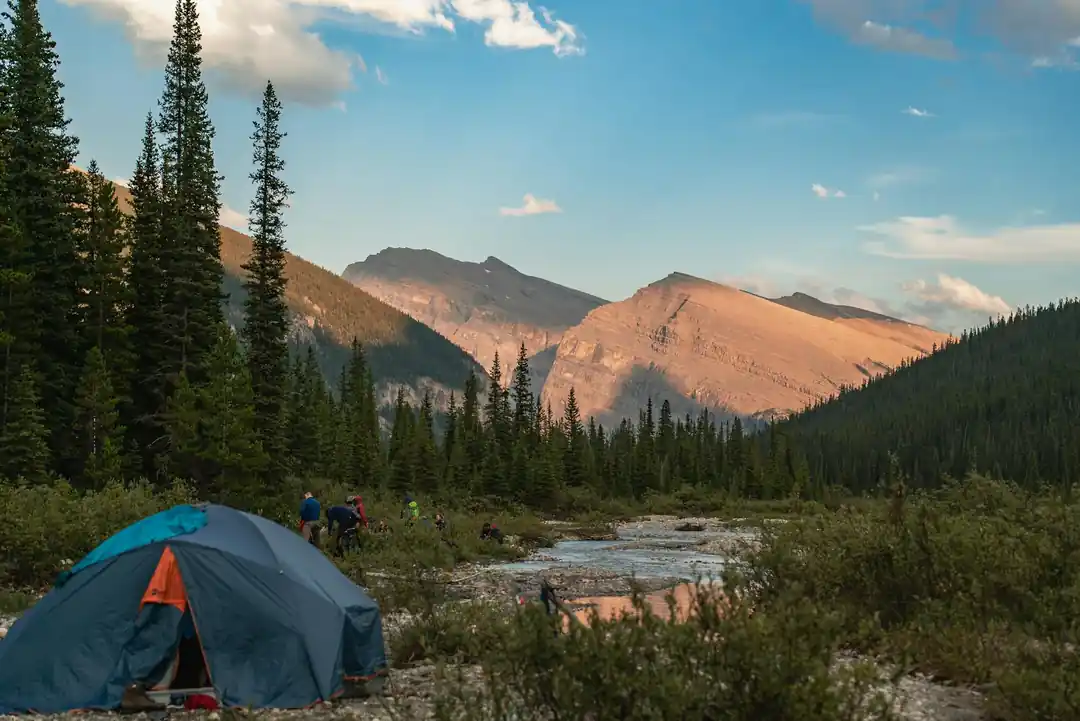
The Unwritten Rules of the North: What to Know Before Camping in Canada
Heading to the Great White North for a camping trip? It's an amazing idea. But from campfire etiquette to wildlife wisdom, here’s what you need to know before you go.
Popular Posts

Rethinking Non-Profit Promotion: Creative Strategies That Actually Drive Event Impact

Beyond Stark White: The Best Interior Paint Colors to Light Up Your New Space

How to Actually Master a New Language on Your Own (No Magic Gene Required)
