Beyond the Forum: Discovering the Soul of Davos, Switzerland
When you hear Davos, you probably think of global economics. But what if I told you its true identity lies in quiet hiking trails, stunning alpine lakes, and a rich, artistic history?
Let’s be honest, when someone mentions "Davos," your mind probably jumps to one of two things: world leaders discussing global policy or pristine, snow-covered slopes. For years, that was my impression too. I pictured a town that hibernated for most of the year, only to burst into a flurry of activity for a few weeks of skiing and the World Economic Forum. It felt like a place defined by its events rather than its own inherent character. But the more I looked into it, the more I realized how wrong I was.
Davos, the highest "city" in Europe, has a soul that extends far beyond the conference rooms and ski lifts. It's a place with a dual identity. On one hand, it’s a hub of innovation and sport. On the other, it’s a sanctuary of health, art, and breathtaking nature that has been drawing visitors for centuries. I recently read that its history as a health resort for tuberculosis patients in the 19th century is what truly put it on the map, a fact that completely changed my perspective. This history gave it a unique architectural style and a certain contemplative atmosphere that still lingers today.
It’s this other side of Davos—the quiet, artistic, and adventurous side—that truly captivates. It’s a place where you can spend one day hiking to a crystal-clear alpine lake and the next immersing yourself in the world of German Expressionist art. It’s a destination that invites you to look beyond the headlines and discover a story that’s much richer and more compelling.
A Legacy of Healing and Art
Long before it was a household name for economics, Davos was a haven for healing. In the mid-1800s, doctors discovered that the high-altitude, clean, dry air was incredibly beneficial for patients with lung diseases, particularly tuberculosis. This led to the establishment of numerous sanatoriums, with their iconic sun-drenched balconies, where patients would rest and recuperate. This era is most famously immortalized in Thomas Mann’s novel, The Magic Mountain, which was set in a Davos sanatorium and beautifully captures the unique, isolated, and intellectual atmosphere of the time.
This history is not just a thing of the past; it’s woven into the very fabric of the town. You can still see the elegant sanatorium architecture, now often repurposed into hotels, and feel that legacy of wellness and clean living. It’s a powerful reminder that Davos has always been a place for rejuvenation, whether for the body or the mind. This focus on health has evolved into a modern wellness culture, with world-class spas and clinics that continue to draw people seeking to recharge.
This period also attracted a vibrant community of artists and intellectuals, among them the German Expressionist painter Ernst Ludwig Kirchner. Fleeing the horrors of World War I, he found refuge and immense inspiration in the dramatic landscapes around Davos. The Kirchner Museum Davos, a stunning modern building, is a testament to his time here. It holds the world's largest collection of his work, and seeing his powerful, colorful interpretations of the alpine scenery is a profound experience. It offers a completely different lens through which to view the mountains you’ve been admiring all day.
Summer in the Alps: A Hiker's Paradise
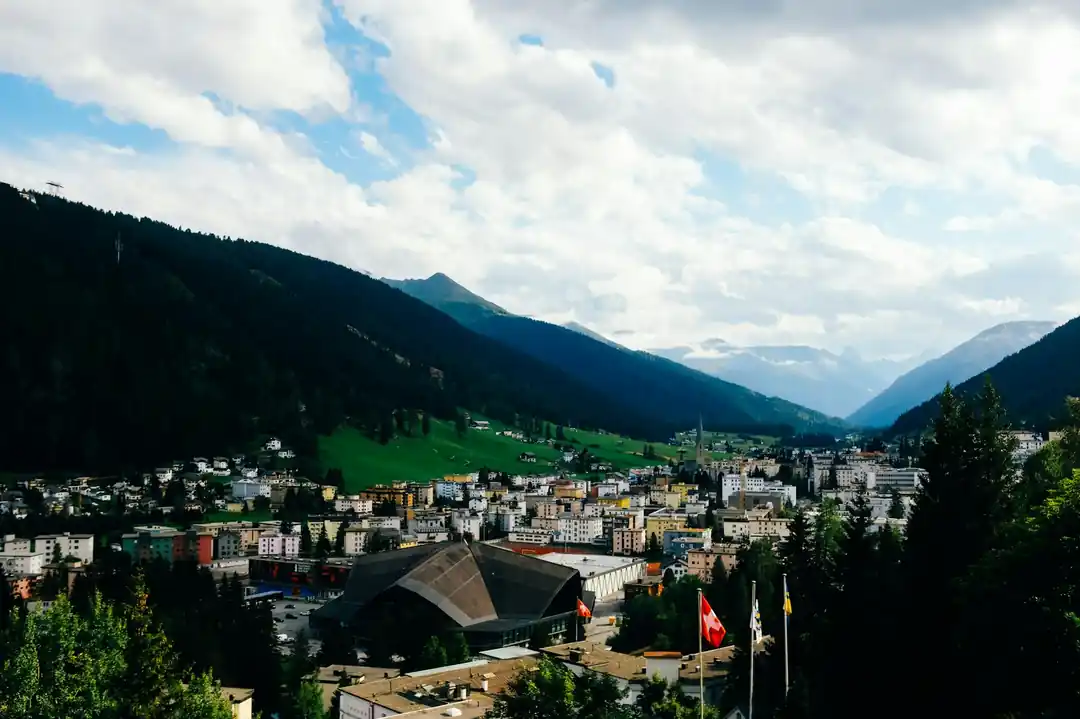
While Davos is a winter wonderland, I’ve heard from many locals that summer is when the valley truly comes alive. When the snow melts, it reveals a staggering 700 kilometers of marked hiking and biking trails. The landscape transforms into a vibrant tapestry of emerald green meadows, fragrant pine forests, and wildflowers in every color imaginable. It’s a paradise for anyone who loves to explore the outdoors on their own two feet.
You can take gentle, meandering walks around the beautiful Lake Davos, where the water is clear and surprisingly warm enough for a swim in July and August. Or, for the more adventurous, there are challenging high-alpine treks that reward you with panoramic views that will leave you breathless. One of the most recommended hikes is the journey to the Jöriseen, a cluster of turquoise alpine lakes that look like something out of a fantasy novel. The contrast of the vibrant water against the stark, rocky landscape is unforgettable.
It’s not just about hiking, either. The same trails are a playground for mountain bikers, with routes for every skill level. You can rent an e-bike and cruise through the side valleys like Sertig or Dischma, stopping at traditional mountain inns for a slice of homemade cake. For a bit more adrenaline, you can try your hand at windsurfing or stand-up paddleboarding on Lake Davos. The summer season is a celebration of movement, fresh air, and the simple joy of being surrounded by nature at its most magnificent.
More Than Just Mountains
Beyond the natural beauty and the conference halls, the town of Davos itself has a charming, understated appeal. It’s a place where you can find cozy cafes perfect for whiling away an afternoon with a book and a coffee, alongside high-end boutiques. One of the most unique local spots is the Monstein Brewery, located in a nearby Walser village. It’s one of the highest-altitude breweries in Europe, and taking a tour to see how they craft their beer before sampling it is a fantastic local experience.
For families, or just the young at heart, there are plenty of activities that don't involve strenuous mountain climbs. The "eau-là-là" wellness and pleasure pool complex is a highlight, with both indoor and outdoor pools, water slides, and a luxurious spa area. It’s the perfect place to relax your muscles after a long hike or simply to enjoy a day of fun, regardless of the weather. And in winter, the town boasts Europe's largest natural ice rink, offering a classic and joyful way to embrace the cold.
Ultimately, Davos is a town of surprising depth. It’s a place that has gracefully balanced its role on the world stage with its identity as an alpine sanctuary. It’s a reminder that often, the most famous thing about a place isn’t always its most interesting. So next time you hear the name Davos, I hope you’ll picture not just suits and skis, but the vibrant colors of a Kirchner painting, the taste of a locally brewed beer, and the profound silence of a summer evening by an alpine lake.
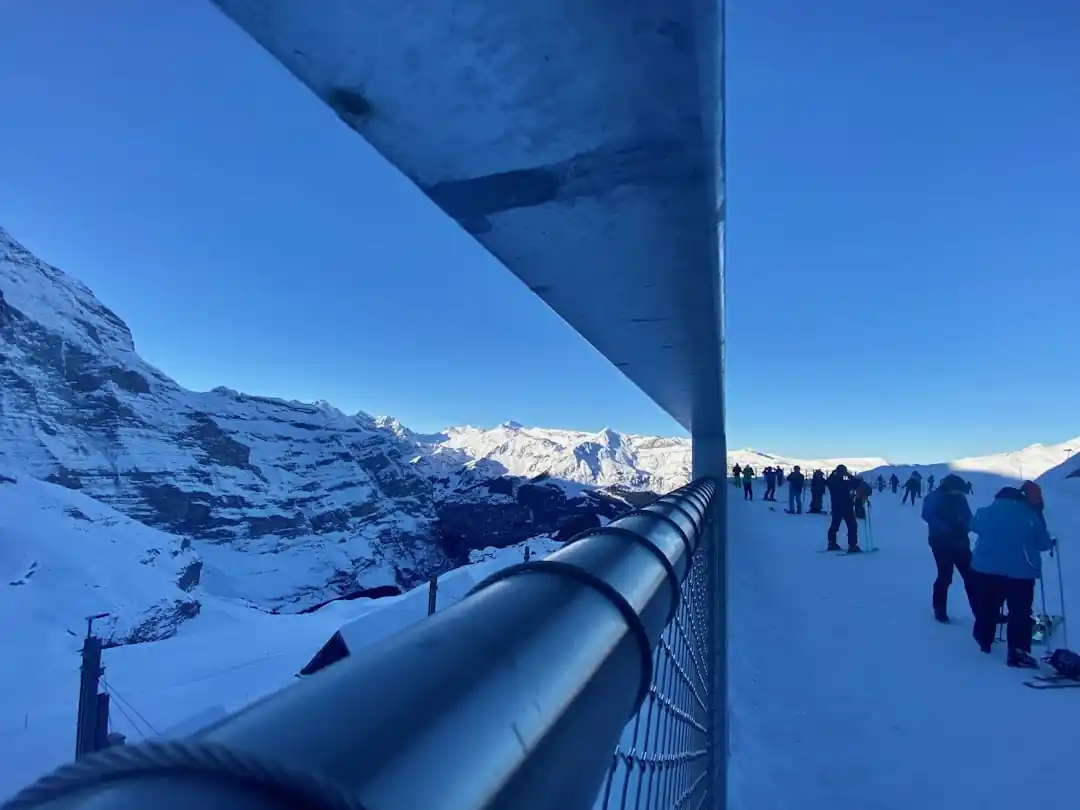
The Ultimate Davos Ski Trip Packing Guide: From Slopes to Fireside Chic
The Pocket-Sized Peace of Mind: Building a Pet First Aid Kit for Your EDC Bag

Related Posts
 TRANSPORT
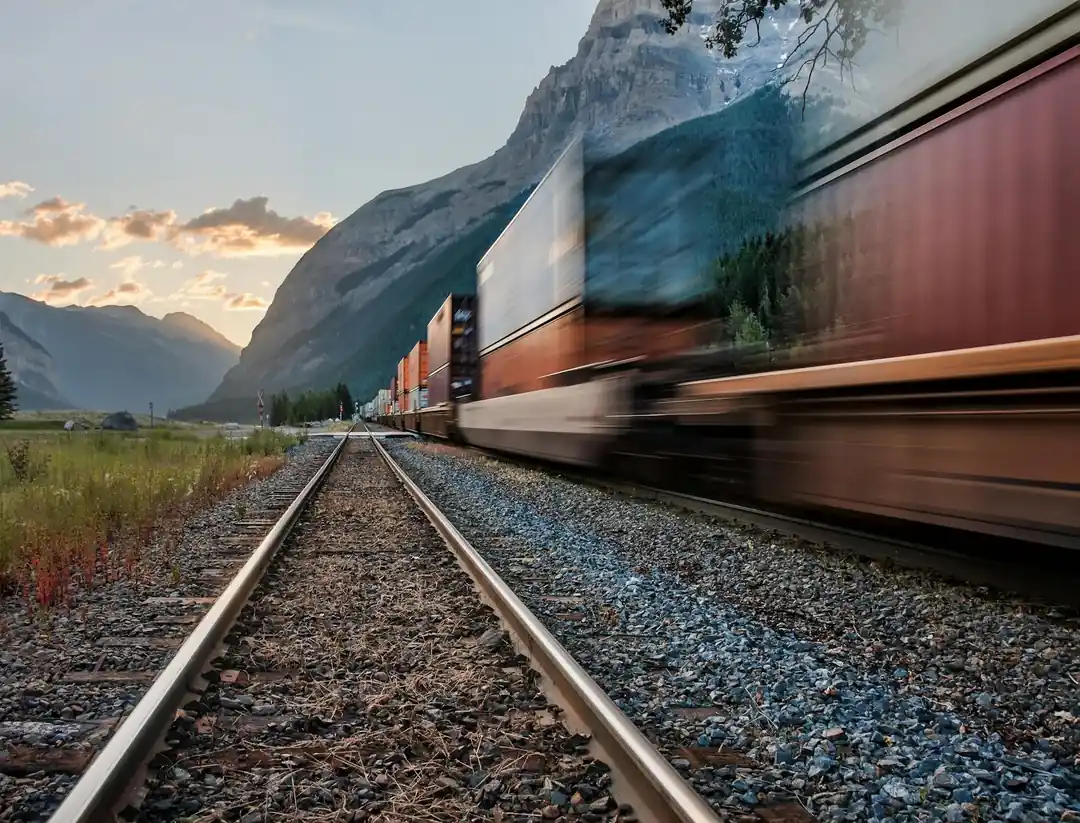
Beyond the Highway: Finding Canada's Soul on a Western Rail Adventure
Forget road trips. I'm talking about rediscovering the romance of travel on Via Rail's most scenic routes through the heart of the Canadian West. It’s an experience that changes you.
 TRAVEL TIPS
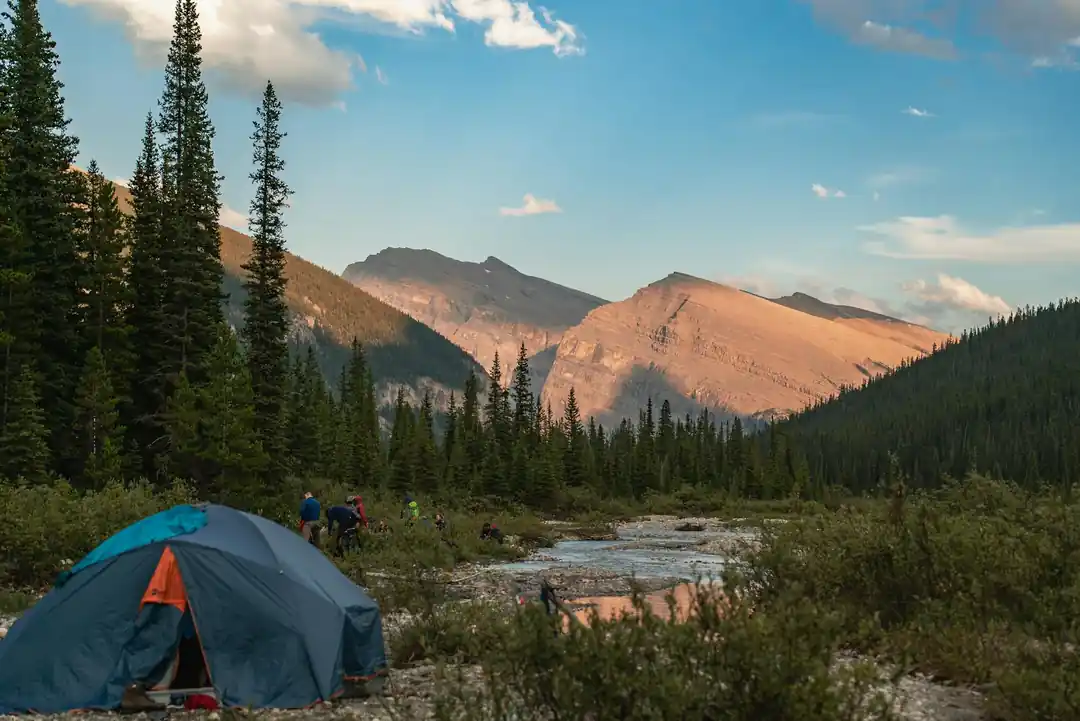
The Unwritten Rules of the North: What to Know Before Camping in Canada
Heading to the Great White North for a camping trip? It's an amazing idea. But from campfire etiquette to wildlife wisdom, here’s what you need to know before you go.

Popular Posts

Rethinking Non-Profit Promotion: Creative Strategies That Actually Drive Event Impact

Beyond Stark White: The Best Interior Paint Colors to Light Up Your New Space

How to Actually Master a New Language on Your Own (No Magic Gene Required)