The Unspoken Weapon: Why Language Is a Force Multiplier for US Military Officers
It's more than just words. For a modern military officer, foreign language is a critical tool for building trust, gathering intelligence, and ensuring mission success.
When you picture a modern military officer, what comes to mind? Probably someone poring over maps, leading troops, or operating high-tech equipment. And you wouldn't be wrong. But what if I told you one of the most critical skills for today's officer has nothing to do with combat hardware and everything to do with human connection? I'm talking about the ability to speak a foreign language. Honestly, in the complex global landscape we navigate today, it’s less of a "soft skill" and more of a strategic imperative.
For a long time, the prevailing thought was that English was the world's language and a good interpreter could solve any communication gap. But something profound is lost in translation. Relying on a third party, no matter how skilled, puts a filter between you and the person you're speaking with. It slows down the conversation, sterilizes the human element, and can lead to critical misunderstandings. I recently read a report from a defense journal that argued this very point: in missions where winning "hearts and minds" is the objective, direct communication isn't just a bonus—it's the bedrock of the entire operation.
Think about it. How can you truly understand the concerns of a village elder, gauge the sincerity of an allied counterpart, or pick up on subtle intelligence cues in a bustling market if you can't understand the language being spoken around you? The modern officer is increasingly a diplomat, a negotiator, and a peacekeeper. And in that arena, language is the most effective tool in their arsenal. It’s about building bridges, not just occupying ground.
The Tactical Advantage of Talking
Let's get practical for a moment. On the ground, language skills can be the difference between mission success and failure. A patrol that can ask for directions, read street signs, or understand local news broadcasts is infinitely more effective and safer than one that is essentially deaf and mute to its surroundings. It allows for a level of situational awareness that technology alone simply cannot provide. This is about more than just convenience; it's about survival and operational superiority.
Human Intelligence (HUMINT) is one of the cornerstones of military operations, and it thrives on trust and rapport. An officer who can sit down and have a conversation in someone's native language—sharing a cup of tea, perhaps, and speaking without an intermediary—is building that trust. People are almost always more willing to share information with someone who has shown them the respect of learning their language. It signals a deeper level of commitment and understanding.
Furthermore, this skill allows an officer to tap into the local "information ecosystem." They can understand the nuance of rumors, the sentiment of local media, and the undercurrents of political conversations that a simple translation would miss. Is the tone of a news report sarcastic? Is a local leader using a proverb with a specific cultural meaning? These are the kinds of insights that give a true reading of the environment, allowing for much more sophisticated and informed decision-making.
Building Bridges, Not Walls
Some of the most critical work the US military does overseas involves building and strengthening alliances. Whether it's a joint training exercise with NATO partners or a collaborative effort with a host nation's security forces, the ability to communicate directly is a massive force multiplier. It eliminates the awkwardness and potential for error that comes with using interpreters, fostering a much smoother and more personal working relationship.
When an American officer can brief their counterparts in their own language, it sends a powerful message of respect and partnership. It shows that we are invested in the alliance on a personal level. This simple act can do more to solidify a coalition than any formal agreement. It builds the kind of person-to-person trust that is essential when things get difficult, ensuring that when a crisis hits, everyone is on the same page because they've built a foundation of genuine understanding.
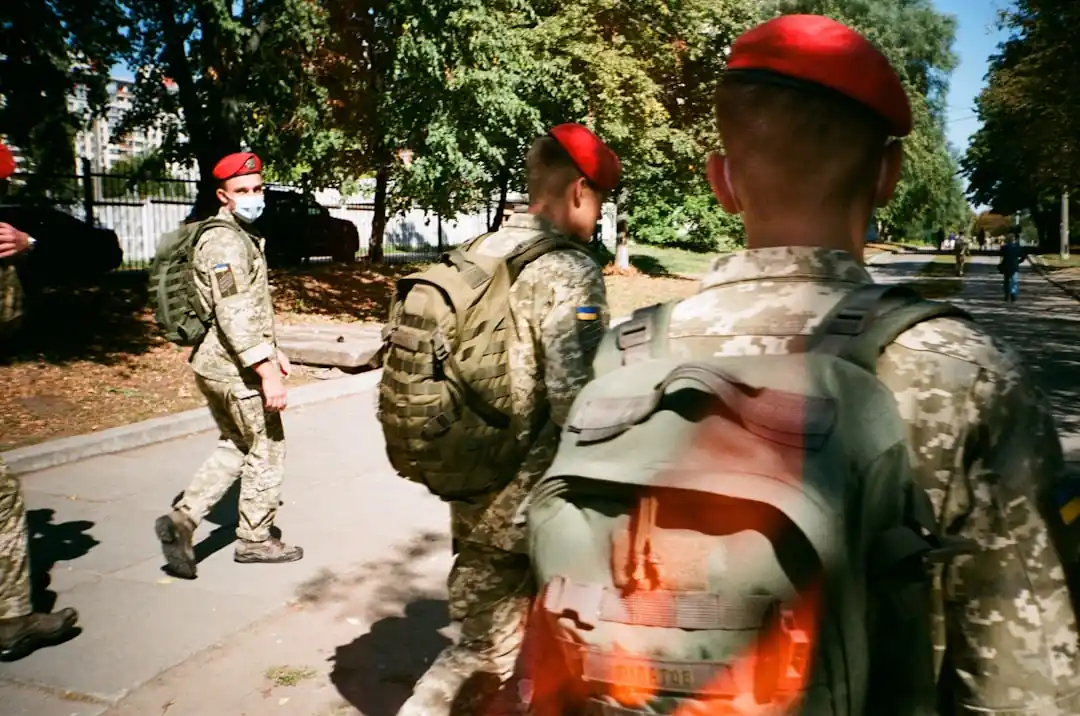
This extends beyond military allies to the local populations we are sworn to protect. In peacekeeping or stability operations, the goal is to be seen as a partner, not an occupier. Being able to speak the local language is the single most effective way to break down the "us vs. them" barrier. It allows for friendly interactions, for de-escalating tense situations, and for showing the human face of the US military. It’s how you win the trust of the people you are there to help.
A Gateway to Cultural Understanding
You can't separate a language from its culture. The words people use, the way they structure their sentences, their idioms and proverbs—all of it is a window into how they see the world. Learning a language, then, is about much more than memorizing vocabulary; it's about gaining a deep and intuitive understanding of a different culture. For a military officer operating in a foreign land, this cultural fluency is invaluable.
Without it, it's incredibly easy to make a mistake that could have serious consequences. A gesture that is friendly in the US might be offensive elsewhere. A direct "yes" or "no" might be considered rude in a culture that prefers more indirect communication. Understanding these nuances helps an officer avoid cultural faux pas that could undermine their mission and damage relationships. It allows them to operate with a level of grace and respect that builds credibility.
This deep cultural knowledge also provides a strategic advantage. It helps an officer understand what motivates people, what their values are, and how they are likely to react in different situations. It’s the key to effective psychological operations, negotiations, and public affairs. By understanding the cultural context, an officer can tailor their message and actions to be far more effective, influencing outcomes in a positive way without ever having to fire a shot.
The Path Forward: A Career and a Calling
The Department of Defense knows how important this is. That's why it invests so heavily in institutions like the Defense Language Institute (DLI), which provides some of the most intensive and effective language training in the world. For an officer, being selected for this kind of training is a sign that the military sees them as a future leader with the potential for strategic impact.
Graduating from these programs opens up incredible career opportunities. It can lead to assignments as a Foreign Area Officer (FAO), a military diplomat who becomes a leading expert on a specific region. It can mean becoming an intelligence specialist, a cultural advisor, or an instructor for the next generation of leaders. These roles are not only fascinating and rewarding, but they are also critical to the long-term security interests of the United States.
Ultimately, learning a foreign language is an investment—an investment in the mission, in our alliances, and in the officer themselves. It’s a skill that broadens the mind, deepens empathy, and provides a new perspective on the world. In an age where conflicts are rarely simple and solutions are rarely found on a traditional battlefield, the officer who can speak another language is the one who is truly prepared for the challenges of the 21st century.

The Great Divide: What's Really the Difference Between Budget and Major Airlines?
Beyond the Board: A Modern Officer's Guide to Promotion Prep
Related Posts
 LANGUAGES
How to Actually Master a New Language on Your Own (No Magic Gene Required)
Discover research-backed self-study strategies to break through fluency plateaus, build real confidence, and learn a new language on your own terms.
 STUDY TIPS
Your Unshakeable Foundation: Understanding the Most Important Legal Rights for US Citizens
Ever wonder what truly protects you as a American citizen? Let's dive into the fundamental legal rights that form the bedrock of our society, making sure you know your power.

Popular Posts

Rethinking Non-Profit Promotion: Creative Strategies That Actually Drive Event Impact
How to Actually Master a New Language on Your Own (No Magic Gene Required)

The Simple Pre-Workout Fueling Strategy That Saved My Long Runs