Thinking about starting mixed martial arts but don't know where to begin? It's more accessible than you think. Here's how to take that first step.
There’s a certain magnetic pull to Mixed Martial Arts, isn’t there? You see it in the focused intensity of the fighters, the incredible athleticism, and the raw display of skill. For a long time, I watched from a distance, convinced it was a world reserved for elite athletes or people who had been training in combat sports since they could walk. The thought of walking into an MMA gym as a complete beginner was, frankly, intimidating.
But here’s a truth I’ve come to understand: every single person on that mat had a "day one." Every champion, every seasoned coach, every amateur fighter—they all started somewhere, likely feeling a similar mix of excitement and apprehension. The journey into MMA isn't about instantly becoming a powerhouse; it's about the gradual process of building yourself up, learning the art, and discovering a resilience you never knew you had.
If you've been on the fence, wondering if you have what it takes, this is for you. Think of this as a conversation with a friend who has walked the path and is here to tell you that you can, too. We'll break down how to start, what to look for in a gym, and what to expect from your first few classes. It’s time to turn that curiosity into action.
Finding Your Home Base: The Importance of the Right Gym
Before you even think about throwing a punch, your first and most critical mission is to find the right gym. This is about so much more than just equipment and a mat. An MMA gym is a community, a place of learning, and it needs to be a space where you feel supported, especially as a newcomer. The vibe of the gym—the attitude of the coaches and students—will make or break your experience.
Start by looking for schools that have dedicated beginner programs. A gym that throws you in with advanced fighters from the get-go is a major red flag. A good beginner's class focuses on the absolute fundamentals: proper stance, basic footwork, and simple offensive and defensive techniques. It’s about building a solid foundation, not about getting overwhelmed. I’d recommend making a list of a few local gyms and checking their websites and social media to see how they present themselves. Do they celebrate their beginners? Do they emphasize a safe and respectful training environment?
Once you have a shortlist, take advantage of trial classes. Almost every reputable gym offers one. This is your interview process. Pay attention to the coaches. Are they patient? Do they provide clear, constructive feedback? A great coach can make all the difference. Also, observe the other students. A healthy gym culture is built on mutual respect, where training partners understand that the goal is to help each other improve, not to dominate or injure one another. If it feels like a welcoming and positive environment, you've likely found a good spot.

Your First Day: What to Expect and How to Prepare
Alright, you’ve found your gym and signed up for your first class. The nerves are probably kicking in. That's completely normal. The most important thing to remember is that no one expects you to be a pro. Your first class is all about listening, learning, and getting a feel for the movements. It will likely start with a solid warm-up designed to get your heart rate up and your muscles loose.
You don’t need to show up with a bag full of expensive gear. For your first class, comfortable athletic clothes (like a t-shirt and shorts without zippers or pockets) and a water bottle are all you really need. The gym will likely have loaner gear, like boxing gloves, for you to use. Just focus on being present and ready to absorb information. Arrive a few minutes early to introduce yourself to the instructor and let them know you're new.
The class itself will probably cover a mix of disciplines. MMA is a blend of striking (like boxing and Muay Thai) and grappling (like Brazilian Jiu-Jitsu and wrestling). You might learn a basic jab-cross combination, how to sprawl to defend a takedown, or a simple submission hold. The pace will be deliberate, with a heavy emphasis on technique over power. It’s going to be a challenge, both physically and mentally, but stick with it. You’ll leave tired, sweaty, and with a profound sense of accomplishment.
The Marathon Mentality: Pacing and Consistency
One of the biggest mistakes beginners make is trying to do too much, too soon. The initial excitement can be a powerful motivator, but it can also lead to burnout or injury. MMA is a marathon, not a sprint. Your body needs time to adapt to the new and intense demands you're placing on it. Starting with two to three classes a week is a great goal. This gives you enough time on the mat to build muscle memory while also allowing for crucial recovery days.
Listen to your body. You will be sore in places you didn't know could be sore. That's part of the process. However, learn to distinguish between muscle soreness and the sharp pain of an injury. Don't be a hero—if something hurts, stop and talk to your coach. Rest is not a sign of weakness; it's a critical component of getting stronger.
Consistency will always trump intensity in the long run. Showing up, week after week, even on days when you don't feel 100%, is how you make real progress. It’s in those moments of pushing through that you build not just physical strength, but mental fortitude. Embrace the grind, trust the process, and be patient with yourself. The skills will come, the fitness will improve, and one day you'll look back and be amazed at how far you've come. Your journey in martial arts is yours alone, so enjoy every step.
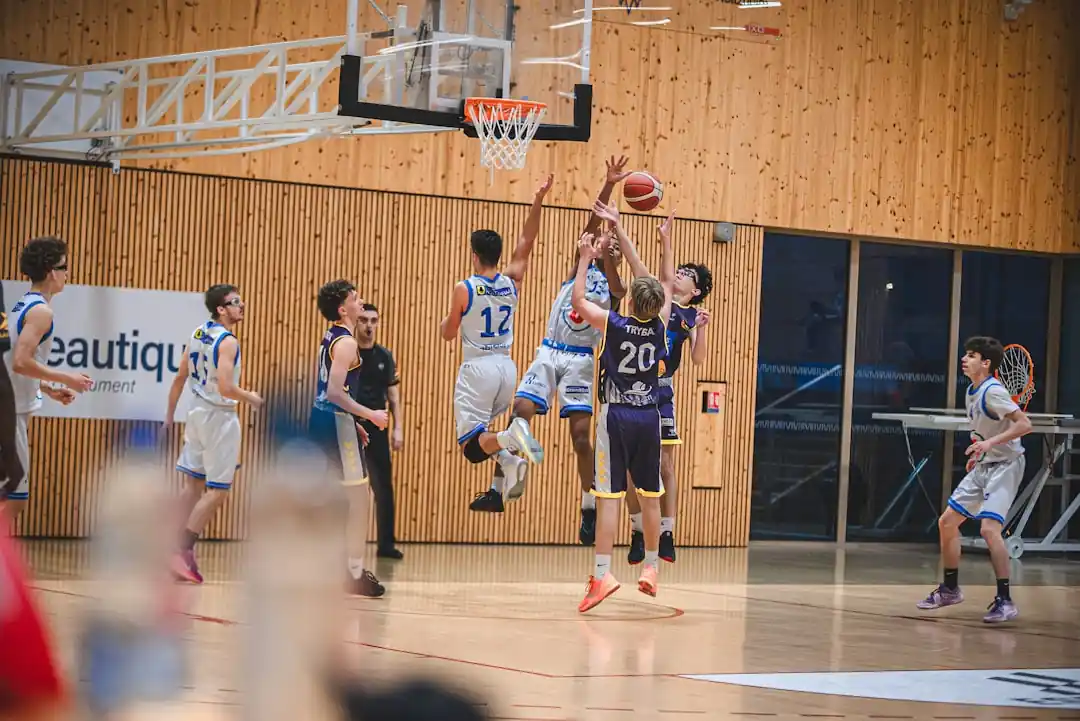
From Tip-Off to Final Buzzer: A Beginner's Guide to College Basketball Rules
Riding the Waves: How to Gracefully Manage Your Emotional Highs and Lows
Related Posts
 NUTRITION
The Simple Pre-Workout Fueling Strategy That Saved My Long Runs
Discover how timing your carbohydrates and embracing simple foods can eliminate mid-workout fatigue and unlock your true endurance potential.
 FITNESS
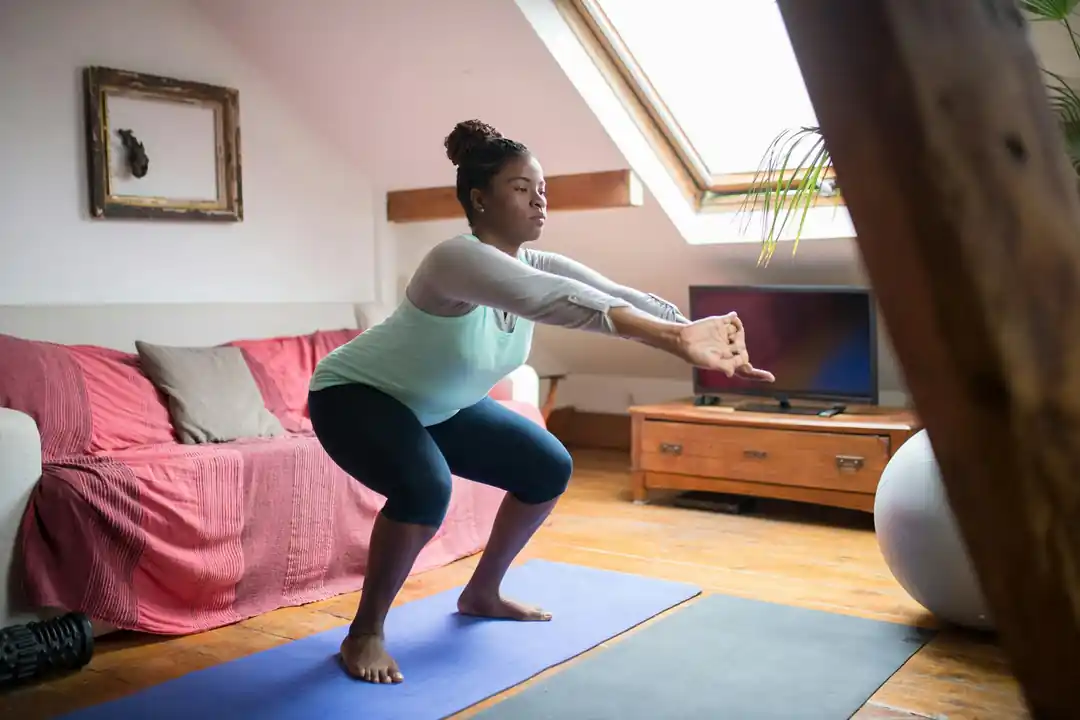
No Gym, No Problem: The Ultimate Guide to Bodyweight Fitness at Home
Forget expensive memberships. Discover how to build serious strength and transform your body using the most powerful tool you already own: yourself.

Popular Posts

Rethinking Non-Profit Promotion: Creative Strategies That Actually Drive Event Impact

Beyond Stark White: The Best Interior Paint Colors to Light Up Your New Space

How to Actually Master a New Language on Your Own (No Magic Gene Required)