In an economy that feels like it's constantly shifting beneath our feet, having a solid emergency fund isn't just smart—it's essential for peace of mind and financial resilience.
Let’s be honest, the word “budget” can sometimes feel restrictive, and “saving” can sound like you’re putting off living your life. But I’ve come to see one financial tool not as a restriction, but as the ultimate form of freedom: the emergency fund. It’s the financial equivalent of a deep, calming breath when everything else feels chaotic. In an economy that seems to throw a new curveball every other week—from inflation spikes that make your grocery bill look like a typo to whispers of shifts in the job market—that fund is less of a “nice-to-have” and more of a "can't-live-without."
I used to be the person who would just “figure it out” if something went wrong. A surprise car repair would go on the credit card, a medical bill would get a payment plan, and I’d just hope for the best. But that approach, I realized, was costing me more than just interest fees; it was costing me my peace of mind. The constant, low-grade anxiety of being one unexpected expense away from a financial tailspin is exhausting. Building a buffer between you and the world’s unpredictability isn’t about pessimism; it’s one of the most optimistic and empowering things you can do for yourself.
What an Emergency Fund Is (and What It Isn’t)
Before we dive deep, let's clear something up. An emergency fund is not your vacation fund. It’s not for a down payment on a car, and it’s definitely not for that flash sale that feels too good to pass up. Think of it as your personal financial firefighter, exclusively there for the real, smoking-hot emergencies. We’re talking about the big three: sudden job loss, unexpected medical or dental bills, and urgent home or car repairs that you can’t live without. It’s the money that lets you fix a leaking roof without having to take on high-interest debt.
The classic rule of thumb, and it’s a solid one, is to have three to six months' worth of essential living expenses saved up. And when we say “essential,” we mean it. This is the bare-bones budget: your housing, utilities, food, transportation, and insurance. It’s not your Netflix subscription or your weekly takeout habit. A recent Bankrate survey highlighted a sobering reality: 57% of U.S. adults are uncomfortable with the amount of emergency savings they have. That’s over half the population feeling financially vulnerable.
Now, I know that "three to six months" can sound like an impossibly large number, especially when you’re just starting out. Don’t let that figure intimidate you. The goal isn’t to have it all saved by next Tuesday. The goal is to start. If you’re a freelancer with a fluctuating income or the sole provider for your family, you might even aim for a bit more, maybe eight to twelve months. The point isn’t the exact number, but the principle: creating a cushion that gives you time to navigate a crisis without making desperate decisions.
Why a Volatile Economy Makes This Non-Negotiable
If the last few years have taught us anything, it’s that stability is not a guarantee. We’ve seen inflation rates that have seriously eroded the power of our paychecks. The price of gas, groceries, and just about everything else has climbed, meaning the money we had saved is worth less than it was a year ago. This is precisely why an emergency fund is so critical right now. It acts as a personal buffer against these larger economic forces that are completely out of our control.
When the economy is shaky, the job market can become unpredictable. Layoffs can happen suddenly, even in industries that seemed secure. Having a robust emergency fund means that if you do face a job loss, you have the breathing room to find the right next opportunity, not just the first one that comes along. It gives you the power to negotiate, to wait for a role that fits your skills and salary expectations, rather than grabbing the first lifeline out of sheer panic. It turns a potential catastrophe into a manageable transition.
Furthermore, in a volatile economy, access to cheap credit can dry up. When interest rates are high, borrowing money for an emergency becomes incredibly expensive. That $1,000 car repair can quickly balloon with credit card interest, digging you into a hole that’s hard to climb out of. An emergency fund allows you to bypass that system entirely. You become your own lender, and the best part? You pay yourself back with zero interest. It’s a powerful move that keeps you in control of your financial destiny, no matter what the markets are doing.

How to Start Building Your Fund (Without Feeling Deprived)
Okay, so you’re convinced. But where do you find the money? The first step is the most crucial: start small. Forget the six-month goal for a minute. Your first mission is to save $500 or $1,000. This initial goal is achievable and provides a huge psychological boost. It’s your proof of concept. You can do this. Find a high-yield savings account (HYSA) that’s separate from your regular checking account. This is important. You want the money to be accessible, but not so accessible that you can dip into it on a whim.
The single most effective trick in the book is to automate it. Pay yourself first. Set up an automatic transfer from your checking to your savings for the day after you get paid. Even if it’s just $20 a week, that’s over $1,000 in a year. By automating it, you take the decision-making out of it. The money is gone before you even have a chance to miss it. It’s a simple, powerful hack that builds your savings on autopilot.
Finally, do a gentle audit of your spending. This isn’t about making yourself miserable; it’s about finding the financial leaks. Track your spending for a month and you’ll likely be surprised where your money is going. Maybe it’s the three streaming services you barely watch or the daily coffee that adds up. Redirecting that money, even temporarily, can dramatically accelerate your progress. And don't forget to celebrate the small wins. When you hit that first $500, acknowledge it. You’re building a fortress of financial peace, one brick at a time.
It’s a journey, for sure. But it’s one that pays you back with something far more valuable than money: a quiet mind in a noisy world. Knowing you have that cushion, that you’re prepared for a setback, changes how you walk through life. You stand a little taller, you worry a little less, and you open yourself up to a future that feels less uncertain and more full of possibility.
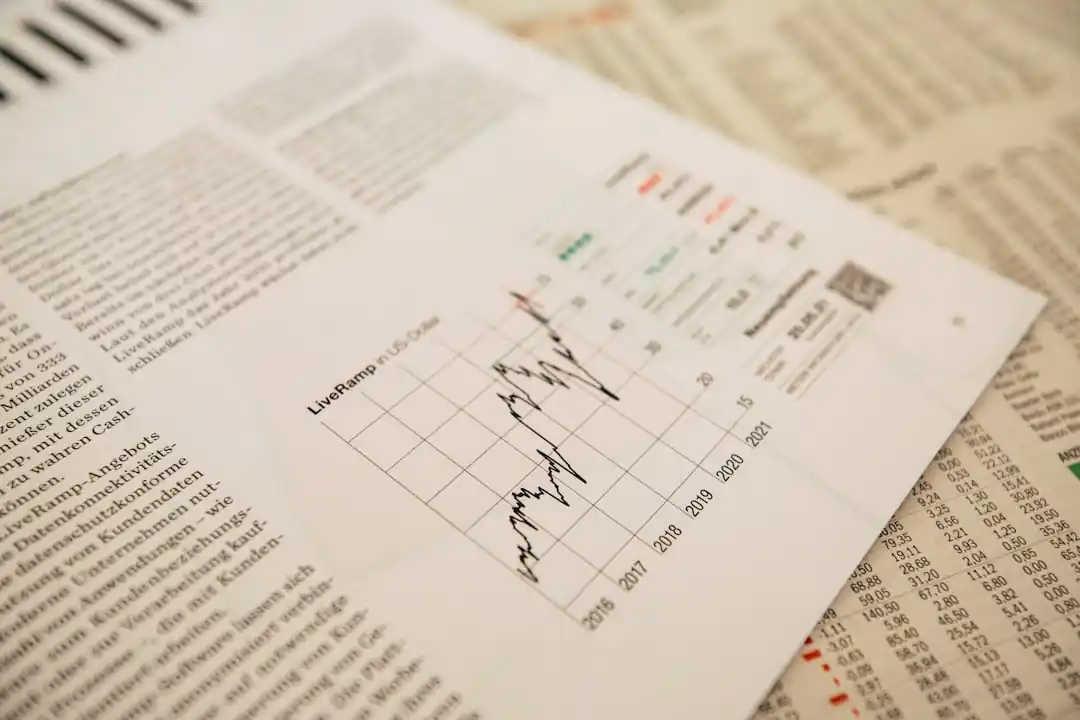
The Stock Market Isn't the Economy: Untangling the Ticker from the Truth
Your Financial Safety Net: How to Adjust Your Budget When the Economy Gets Shaky

Related Posts
 BUSINESS
Rethinking Non-Profit Promotion: Creative Strategies That Actually Drive Event Impact
Discover modern, research-backed strategies for promoting non-profit fundraisers, from experiential marketing to hyper-local micro-influencers and cross-sector partnerships.
 BUSINESS
Is the TV Ad Dead? A Deep Dive into Cost and Effectiveness in 2024
In an age of streaming and scrolling, is a TV commercial still a smart bet for brands? We're breaking down the real costs and surprising effectiveness of television advertising today.
Popular Posts

Beyond Stark White: The Best Interior Paint Colors to Light Up Your New Space

How to Actually Master a New Language on Your Own (No Magic Gene Required)

The Simple Pre-Workout Fueling Strategy That Saved My Long Runs