Don't Get Burned: Essential Desert Hiking Safety Tips for Phoenix Trails
The Sonoran Desert is stunning, but it demands respect. Before you hit the trails near Phoenix, here are the life-saving tips you absolutely need to know.
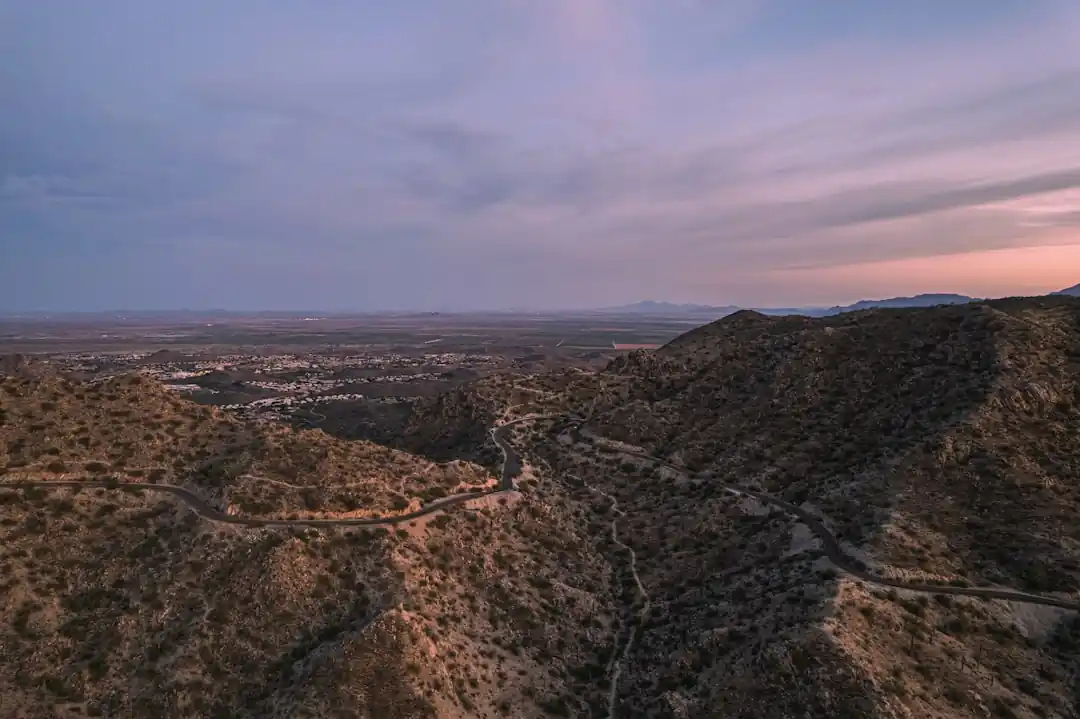
There’s a moment right before the sun dips below the horizon on a Phoenix trail when the world just… glows. The saguaros become stoic silhouettes, the mountains turn a deep, hazy purple, and the heat of the day finally gives way to a soft, welcome breeze. It’s a kind of magic that pulls you in, and honestly, it’s the reason so many of us are drawn to these rugged landscapes. I remember my first time hiking Camelback Mountain, feeling completely in awe of the raw, sprawling beauty of the Sonoran Desert.
But I also remember being wildly unprepared. I had one standard water bottle and wore my everyday running shoes, thinking a quick hike was no big deal. I learned very quickly that the desert doesn't mess around. It’s a place of breathtaking beauty, yes, but it’s also an environment of extremes that demands serious respect. Forgetting that can, at best, ruin your day and, at worst, put you in real danger. So, before you lace up your boots and chase that desert sunset, let's talk about how to do it safely.
Timing Is Everything: Outsmarting the Sun
This is probably the single most important rule of desert hiking: the clock and the calendar are your best friends. Hiking in Phoenix during the summer months (roughly May through September) is a completely different ballgame. The heat isn't just uncomfortable; it's a serious health hazard. I’ve seen far too many tourists attempting a midday hike in July, and it’s a recipe for disaster. Local authorities often close popular, strenuous trails like Camelback and Piestewa Peak on days with excessive heat for this very reason.
Your strategy should be to hike when the sun is lowest in the sky. This means starting your adventure at the crack of dawn—or even slightly before. An early morning start not only lets you avoid the peak heat (which usually hits between 10 a.m. and 4 p.m.) but also rewards you with incredible light and more active wildlife. If you're not a morning person, a late evening hike can be just as magical. Just be sure to pack a reliable headlamp or flashlight, as the desert gets incredibly dark once the sun is gone.
And don't be fooled by a cloudy day. Harmful UV rays penetrate cloud cover, and the ambient temperature can still be dangerously high. Always, always check the weather forecast before you go, paying close attention to the hourly temperature predictions. If it looks like it's going to be a scorcher, maybe opt for a leisurely morning at the Desert Botanical Garden instead. There's no shame in respecting the power of the sun; in fact, it's the smartest thing you can do.
The Holy Trinity: Water, Snacks, and Sunscreen
Let's get one thing straight: you can never have too much water in the desert. The dry air wicks moisture from your body faster than you can imagine, a process called "insensible perspiration." You might not even feel like you're sweating that much, but trust me, you're losing fluids at an alarming rate. The standard recommendation is to bring at least one liter of water per hour of hiking. For a three-hour hike, that’s nearly a gallon of water per person. A hydration reservoir or bladder is a fantastic investment, as it makes sipping consistently much easier.
But water alone isn't enough on a hot day. As you sweat, your body loses vital electrolytes (salt, potassium, magnesium) that are crucial for muscle function and nerve signaling. This is why packing salty snacks or electrolyte-infused drinks is non-negotiable. Things like pretzels, trail mix, or electrolyte powders can make a huge difference in how you feel and can help prevent a dangerous condition called hyponatremia (low sodium levels). I always make sure to start hydrating the day before a big hike and continue sipping throughout the day, not just when I feel thirsty.
Sun protection is the third pillar of this essential trio. The Arizona sun is intense, even in the cooler months. A wide-brimmed hat is an absolute must—it protects your face, ears, and the back of your neck. Sunglasses are critical for protecting your eyes, and you should be applying a high-SPF, broad-spectrum sunscreen to all exposed skin before you even leave the house. And don't forget to reapply! That sweat will wash it away faster than you think. Lightweight, light-colored, loose-fitting clothing can also help keep you cool and protected.
Watch Your Step: Critters and Cacti
Part of the thrill of hiking in the Sonoran Desert is the chance to see its unique wildlife. But it's important to remember that you are a visitor in their home. Rattlesnakes are common, and while they are not aggressive, they will defend themselves if they feel threatened. The best way to avoid a negative encounter is to be aware. Stay on designated trails, watch where you step, and never, ever put your hands or feet where you can't see, like on ledges or under rocks. If you hear a rattle, stop immediately, locate the snake, and then slowly back away, giving it a wide berth.
Other critters to be aware of include scorpions, spiders, and Gila monsters (which are venomous, but very shy). The rule of thumb is simple: look, but don't touch. Keep a respectful distance from all wildlife, including seemingly harmless animals like coyotes and javelinas. Never feed wild animals; it's bad for them and can make them lose their natural fear of humans.
And then there's the flora. The desert is full of things that poke, prick, and stab. The "jumping" cholla cactus is particularly notorious. Its spiny segments detach easily and can seem to "jump" onto you if you brush by. It’s a good idea to carry a pair of tweezers or a small comb in your first-aid kit specifically for removing cactus spines. It sounds like a small thing, but a run-in with a cactus can quickly turn an enjoyable hike into a painful ordeal.
Know the Signs and Have a Plan
Even with the best preparation, things can go wrong. It is absolutely vital to know the signs of heat-related illness. Heat exhaustion often comes on first, with symptoms like nausea, dizziness, headache, pale and clammy skin, and muscle cramps. If you or a hiking partner start to feel any of these, stop immediately. Find a shady spot, rest, and sip water or an electrolyte drink. Often, cooling down and rehydrating is enough to reverse the symptoms.
However, if those symptoms are ignored, heat exhaustion can progress to heatstroke, which is a life-threatening emergency. The key signs of heatstroke are a high body temperature, a lack of sweating (the body's cooling mechanism has failed), and confusion, slurred speech, or loss of consciousness. This requires immediate medical attention. Call 911.
Before you even set foot on the trail, make sure someone who is not with you knows your plan. Tell them which trail you're hiking, when you're starting, and when you expect to be back. This is your single most important safety net. And finally, listen to your body. There is no summit or viewpoint worth risking your health for. The desert isn't going anywhere. If you're feeling tired or unwell, turn back. The trail will be there for you to conquer another day.
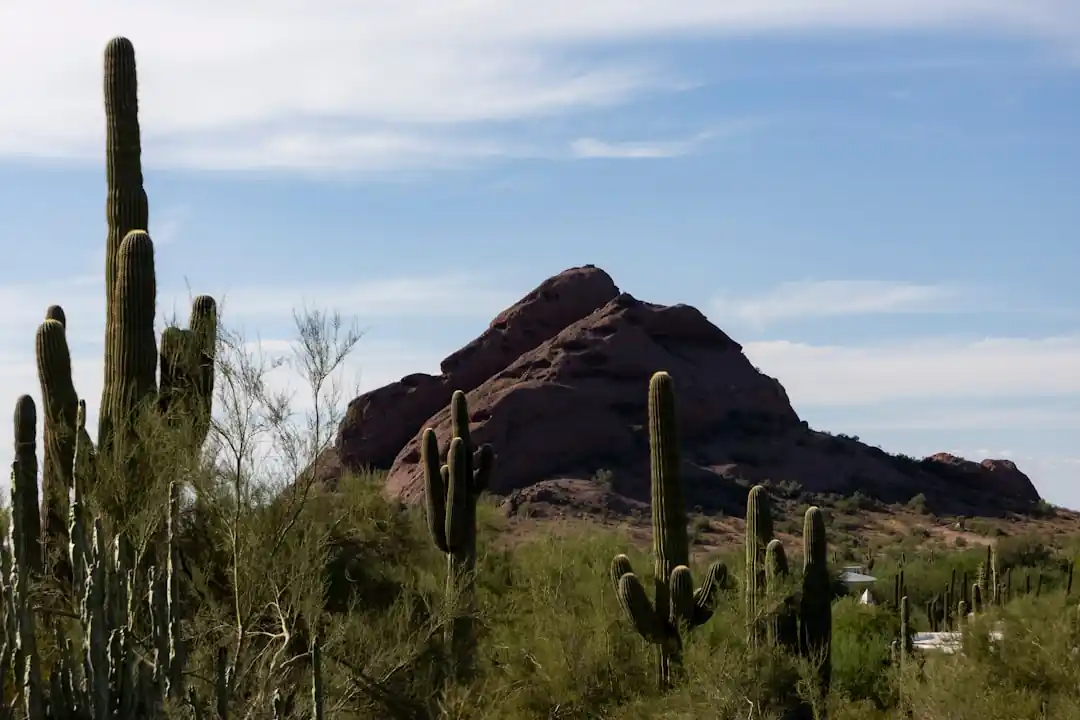
What to Pack for a Trip to Phoenix in the Summer: A Survival Guide
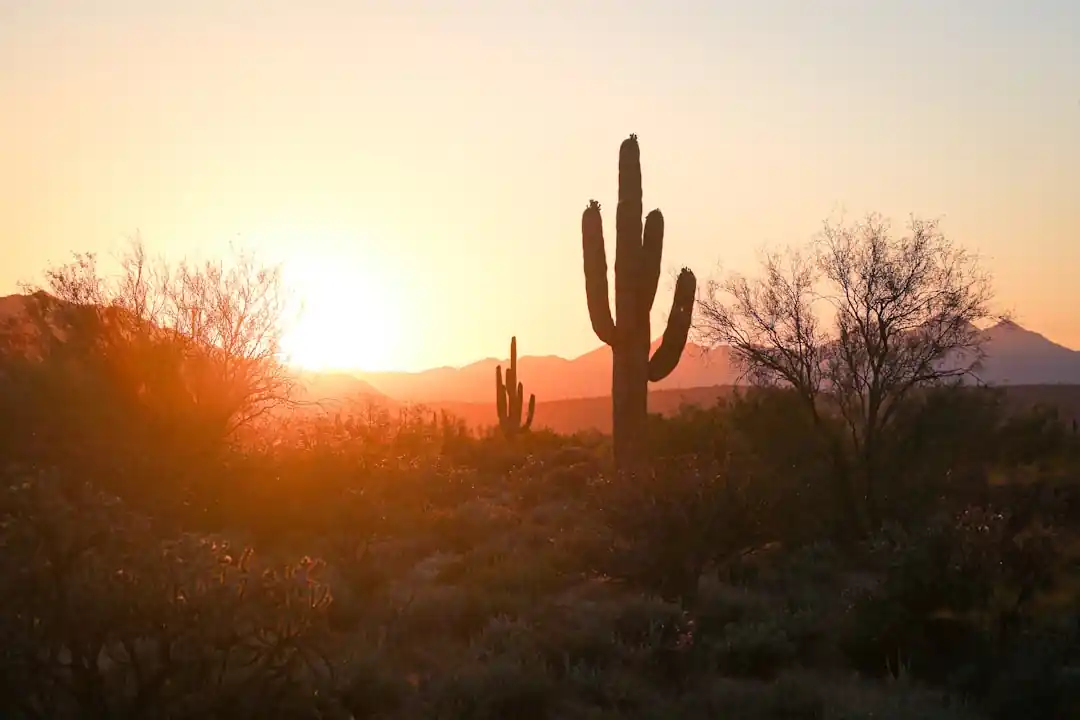
Your First Dance with the Desert: A Phoenix, Arizona Visitor's Guide
Related Posts
 TRANSPORT
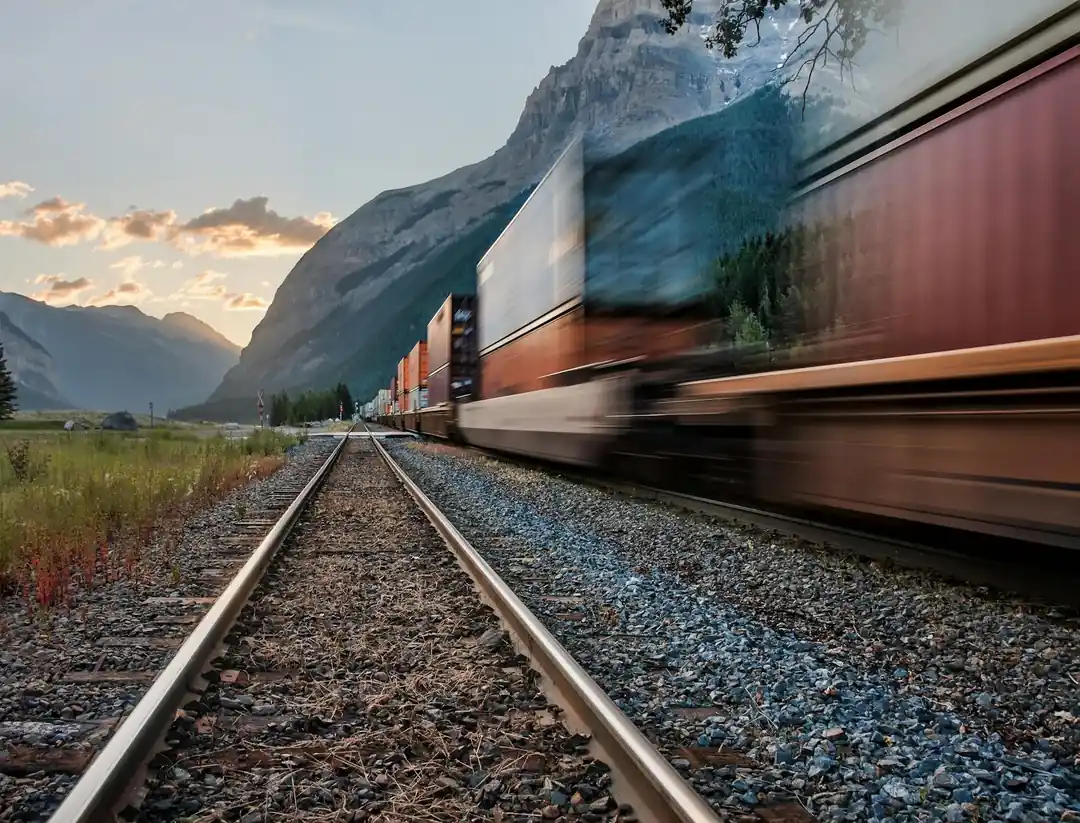
Beyond the Highway: Finding Canada's Soul on a Western Rail Adventure
Forget road trips. I'm talking about rediscovering the romance of travel on Via Rail's most scenic routes through the heart of the Canadian West. It’s an experience that changes you.
 TRAVEL TIPS
The Unwritten Rules of the North: What to Know Before Camping in Canada
Heading to the Great White North for a camping trip? It's an amazing idea. But from campfire etiquette to wildlife wisdom, here’s what you need to know before you go.

Popular Posts

Rethinking Non-Profit Promotion: Creative Strategies That Actually Drive Event Impact

Beyond Stark White: The Best Interior Paint Colors to Light Up Your New Space

How to Actually Master a New Language on Your Own (No Magic Gene Required)
