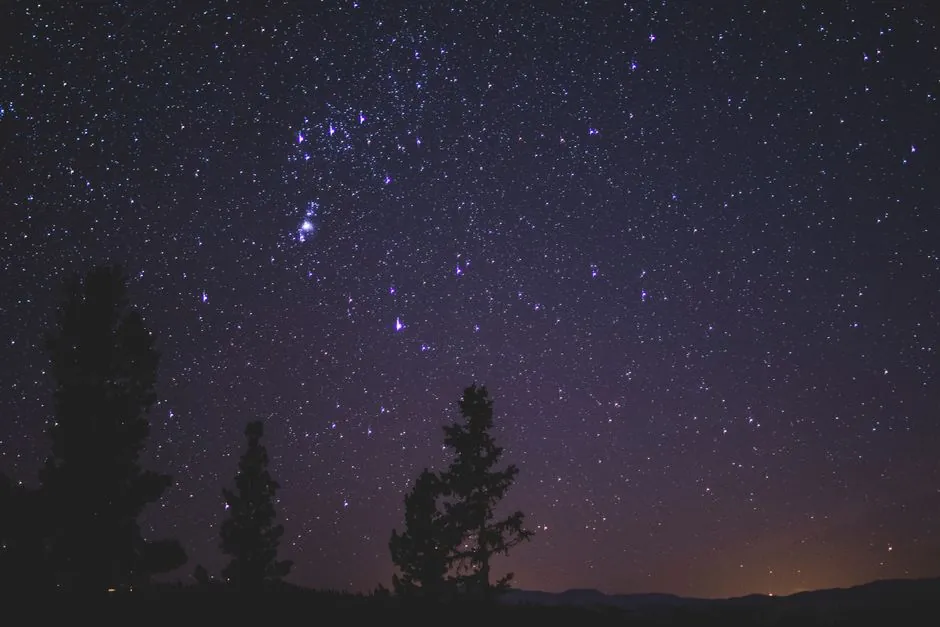
Don't Freeze: The Ultimate Guide to What to Wear for the Northern Lights
Chasing the aurora is a dream, but it can turn into a nightmare if you're cold. Here’s exactly how to layer up to stay warm and comfortable while you watch the magic happen.
There are some moments in life that feel like they’re pulled straight from a movie. Seeing the Northern Lights for the first time is one of them. It’s a silent, hypnotic dance of greens and purples across the vast, dark sky that makes you feel incredibly small and connected to the universe all at once. It’s a bucket-list item for a reason. But I’ll be honest with you—that magical, cinematic moment can be completely ruined by one simple, nagging thought: "I am so, so cold."
I’ve seen it happen. People fly thousands of miles, drive for hours into the remote wilderness, and then spend the entire celestial show shivering so hard they can’t hold their camera steady. They retreat to the warmth of the car, catching only glimpses of the main event. The truth is, the environments where the aurora borealis puts on its best display are unforgivingly cold. We're talking temperatures that can dip well below freezing, often with a wind that feels like it’s slicing right through you.
But it doesn’t have to be that way. Your experience doesn't have to be a battle against the elements. With the right preparation and, most importantly, the right clothing, you can be completely comfortable, allowing you to stand in awe for hours. It all comes down to one crucial strategy that arctic explorers and seasoned locals swear by: layering. And no, it’s not just about piling on as many clothes as you can find. It’s a science.
The Foundation: It All Starts with Your Base Layer
Let's talk about what's right next to your skin. This is, without a doubt, the most important layer, and it’s where most people go wrong. The purpose of a base layer isn't just to be warm; its primary job is to manage moisture. Even when it’s freezing, your body generates heat and a little bit of sweat, especially if you’re moving around. If that moisture gets trapped against your skin, it will make you cold, no matter how fancy your outer jacket is.
This is why the golden rule of dressing for extreme cold is "cotton kills." I can't stress this enough. A cotton t-shirt or long johns will absorb your sweat like a sponge and hold that cold dampness against you all night. Instead, you need materials that wick moisture away from your skin. The undisputed champion in this category is merino wool. It’s incredibly soft (not like the itchy wool sweaters of your childhood), breathable, and has the almost magical ability to insulate even when it gets a little damp.
If merino wool is out of your budget, high-quality synthetic fabrics are your next best friend. Look for materials like polyester or polypropylene blends. They are fantastic at wicking sweat and dry incredibly fast. Your base layer, both top and bottom, should fit snugly against your body without being restrictive. Think of it as your second skin, the one that’s working hard to keep you dry and comfortable from the inside out.
The Insulator: Trapping Heat with a Mid-Layer
Once you have your moisture-wicking base layer sorted, it’s time to add your insulation. This is your mid-layer, and its job is to trap your body heat, creating a pocket of warm air that acts as a buffer against the cold. This is also the layer that gives you the most versatility. Depending on how cold it is, you might wear one or even two mid-layers.
Fleece is a fantastic and popular choice for a mid-layer. It’s lightweight, breathable, and provides a ton of warmth for its weight. A good fleece jacket or pullover is a staple for any cold-weather adventure. Another excellent option is a down or synthetic-fill vest or jacket. Down is incredibly efficient at trapping heat and is super lightweight, but it loses its insulating power if it gets wet. Synthetic insulation, while slightly bulkier, performs much better in damp conditions.
Don't forget your legs! A pair of fleece-lined pants or a second pair of thermal leggings over your base layer can make a world of difference. Most of your time will be spent standing still, and your legs can get cold surprisingly quickly. The key here is to create trapped air, so avoid anything too tight that might compress the layers and reduce their effectiveness.
The Shield: Your Windproof and Waterproof Outer Layer
Finally, we have your armor. The outer layer, or shell, is your protection from the elements—wind, snow, and sleet. This layer needs to be completely windproof and waterproof (or at least highly water-resistant). The wind is often the biggest enemy when you’re aurora hunting. It can cut through lesser jackets and steal all that precious warmth your mid-layers have worked so hard to trap.
Look for a high-quality winter parka with a good amount of insulation. A long cut that covers your backside is a huge plus for keeping you warm while sitting or standing. A well-designed, insulated hood is non-negotiable. You'll want one that you can cinch down to protect your face and neck from biting winds. For your legs, a pair of insulated, waterproof ski or snow pants is essential. They should be roomy enough to fit comfortably over your other layers.
Many tour operators in places like Alaska, Iceland, or Norway actually provide heavy-duty arctic-rated overalls or snowsuits for their guests. If this is an option, take it! This gear is specifically designed for the local conditions and can often be warmer than what you might have at home. This outer shell is your personal fortress against the storm, so make sure it’s a good one.
Don't Forget the Details: Hats, Gloves, and Boots
You can have the best jacket in the world, but if your hands, feet, or head are cold, you will be miserable. These extremities are often the first to feel the chill and are the most susceptible to frostbite. Do not underestimate their importance.
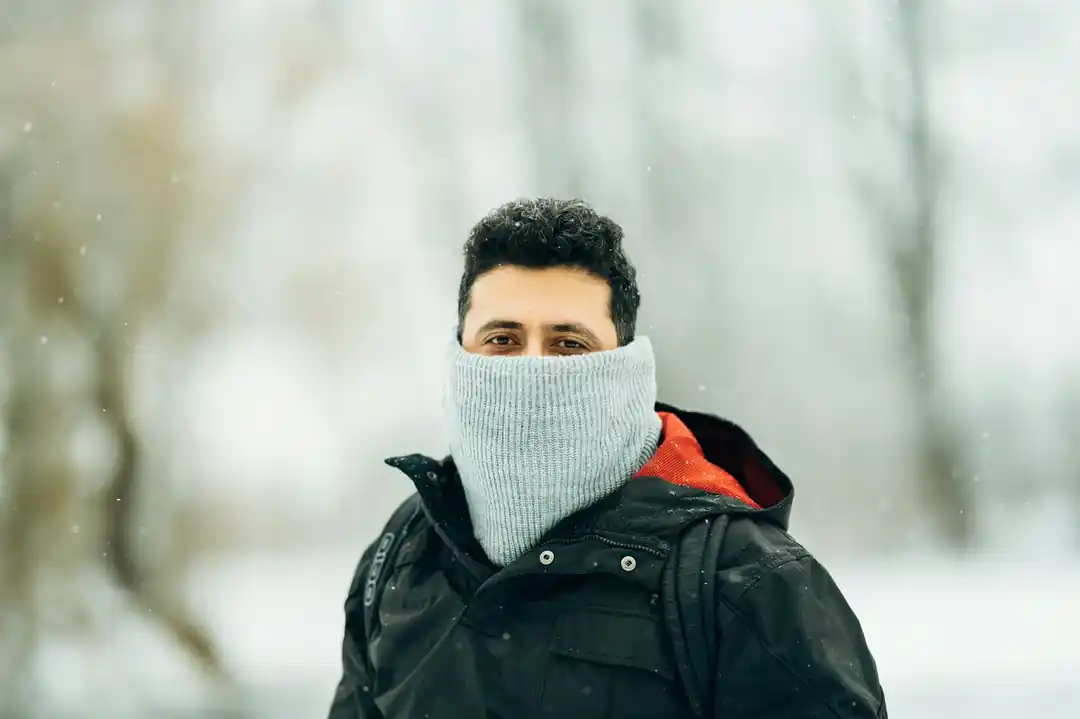
Head: A huge amount of body heat is lost through your head. Wear a warm hat that fully covers your ears, made from wool or fleece. A balaclava or a neck gaiter is also a brilliant addition. It can be pulled up over your nose and mouth to warm the air you breathe and protect your face from the wind.
Hands: Mittens are almost always warmer than gloves, as they allow your fingers to share warmth. A great strategy is to use a layered system: a thin pair of liner gloves (some are even touchscreen-compatible for your phone) inside a thick, insulated, waterproof pair of mittens. And please, do yourself a favor and pack a few pairs of disposable hand warmers. They are inexpensive, last for hours, and can feel like pure luxury on a frigid night.
Feet: This is where you need to invest. Your feet will be in direct contact with the frozen ground, so you need serious insulation. Look for insulated, waterproof winter boots with a temperature rating of at least -25°F (-32°C) or lower. Make sure they are not too tight! You should have enough room to wiggle your toes freely, even with thick socks on. Compression reduces blood flow and will make your feet colder. Wear one or two pairs of thick, moisture-wicking wool socks. Again, no cotton.
Being properly dressed for the Northern Lights isn't about fashion; it's about function. It's what allows you to forget about your body and be fully present for one of the most awe-inspiring spectacles on Earth. So layer up, stay warm, and enjoy the show.
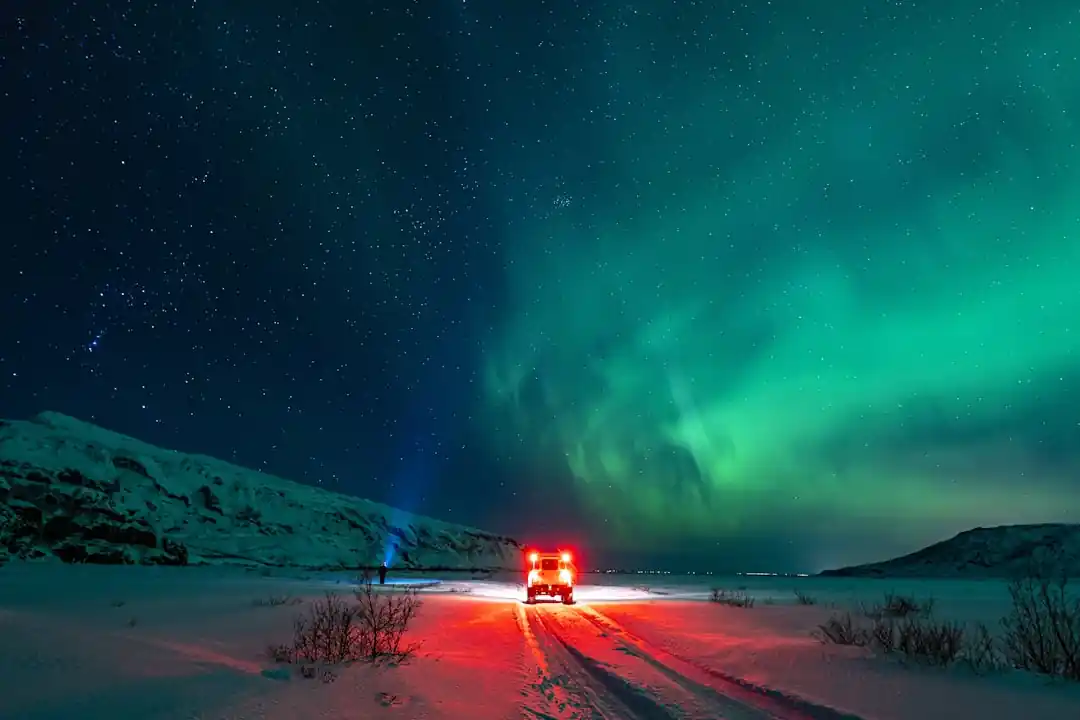
The Aurora Chaser's Dilemma: How to Pick the Perfect Northern Lights Bus Tour
The Secret Season: Why Fall and Spring Are the Best Times for the Northern Lights
Related Posts
 TRANSPORT
Beyond the Highway: Finding Canada's Soul on a Western Rail Adventure
Forget road trips. I'm talking about rediscovering the romance of travel on Via Rail's most scenic routes through the heart of the Canadian West. It’s an experience that changes you.
 TRAVEL TIPS
The Unwritten Rules of the North: What to Know Before Camping in Canada
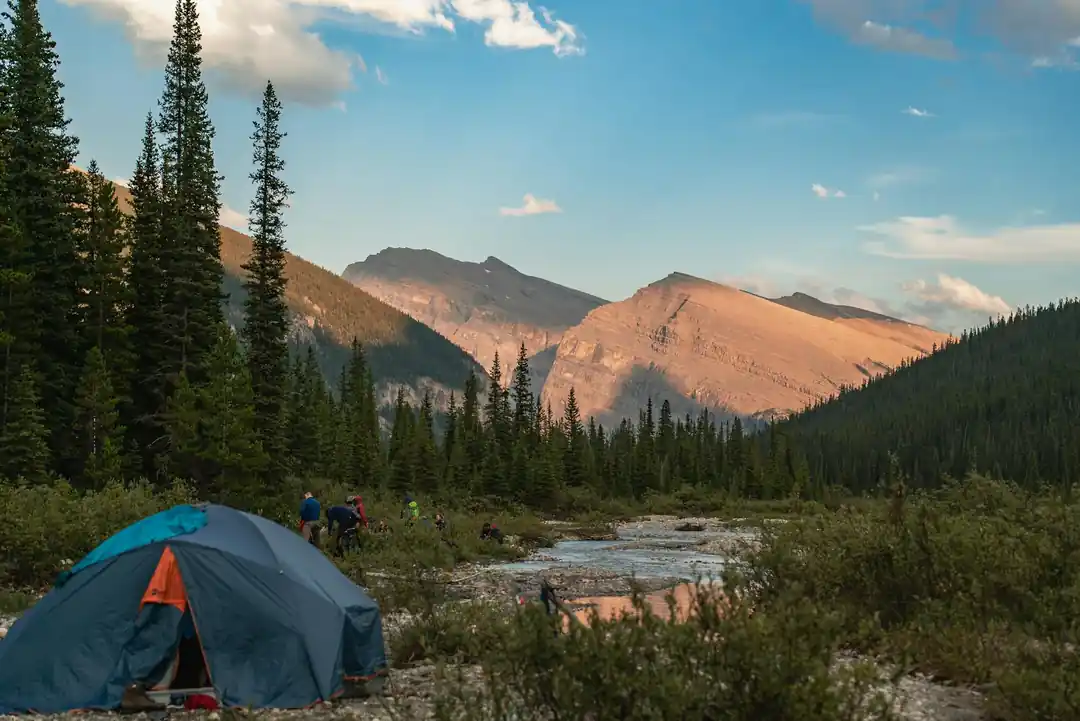
Heading to the Great White North for a camping trip? It's an amazing idea. But from campfire etiquette to wildlife wisdom, here’s what you need to know before you go.

Popular Posts

Rethinking Non-Profit Promotion: Creative Strategies That Actually Drive Event Impact

How to Actually Master a New Language on Your Own (No Magic Gene Required)

The Simple Pre-Workout Fueling Strategy That Saved My Long Runs