Ever wondered how to travel across the vast, beautiful landscapes of Angola? The answer is in the sky. Here’s your guide to the main airports and airlines that connect this incredible nation.
I remember the first time I looked at a map of Angola. I was immediately struck by its sheer size and the diversity of its terrain, from the bustling coastline to the remote interior. My first thought was a practical one: how in the world do you get around? While the romance of a cross-country road trip is appealing, the reality of infrastructure in many parts of the world means that air travel isn't just a luxury—it's a lifeline. In Angola, this couldn't be more true.
Flying within the country is an experience in itself. It’s a fascinating way to comprehend the scale of the nation and witness the rapid development happening on the ground. The government has been pouring resources into its aviation sector, understanding that connecting its provinces is key to unlocking economic potential and fostering national unity. For a traveler, this translates into a surprisingly accessible and increasingly efficient way to explore the far-flung corners of this beautiful land.
The Main Gateways: Angola's Key Airports
For decades, all aviation roads in Angola led to Luanda. The capital's Quatro de Fevereiro International Airport (LAD) has been the country's primary aviation hub, the main entry point for international visitors and the central nervous system for almost all domestic flights. It’s an airport that has served as the backdrop for countless arrivals and departures, a place humming with the energy of a nation on the move. If you've flown in Angola in the past, you've almost certainly passed through its halls.
However, the winds of change are blowing. A massive, state-of-the-art facility, the Dr. António Agostinho Neto International Airport (NBJ), has been developed just outside Luanda and is poised to take over as the country's premier gateway. This new airport is a game-changer, designed to handle a much larger volume of passengers and cargo with modern efficiency. The national airline is already transitioning its operations, signaling a new era for air travel in the country. It’s an ambitious project that speaks volumes about Angola's vision for the future.
Beyond the capital, a network of vital regional airports serves as the backbone of domestic connectivity. These aren't just dusty airstrips; many have undergone significant upgrades to better serve their communities. Cabinda Airport (CAB), for instance, provides a crucial link for the exclave province of the same name. Down south, Lubango Airport (SDD) in Huíla province has also been redeveloped, offering a more comfortable travel experience. These airports are essential, ensuring that no region is left isolated.
Other important domestic hubs include airports in Catumbela (CBT), Huambo (NOV), and Soyo (SZA), among others. Each one acts as a critical artery, pumping life into the regional economy and making it possible for people and goods to move with relative ease. For a traveler looking to explore beyond Luanda, these regional airports are your gateways to adventure, connecting you to the diverse cultures and landscapes that make Angola so unique.
The Wings of Angola: Domestic Airlines
When you book a domestic flight in Angola, one name will appear more than any other: TAAG Angola Airlines. As the state-owned flag carrier, TAAG is the undisputed leader of the Angolan skies. It operates a comprehensive network connecting Luanda to over a dozen provincial capitals, making it the go-to choice for most internal travel. Flying TAAG is, in many ways, part of the quintessential Angolan travel experience.
The airline has been on a journey of modernization, updating its fleet and improving its services to better compete on the international stage and provide a more reliable domestic product. This commitment is a positive sign for anyone looking to travel within the country, suggesting a focus on safety and passenger comfort. Honestly, there's a certain sense of assurance that comes with flying a nation's flag carrier, a feeling that you're in capable hands.
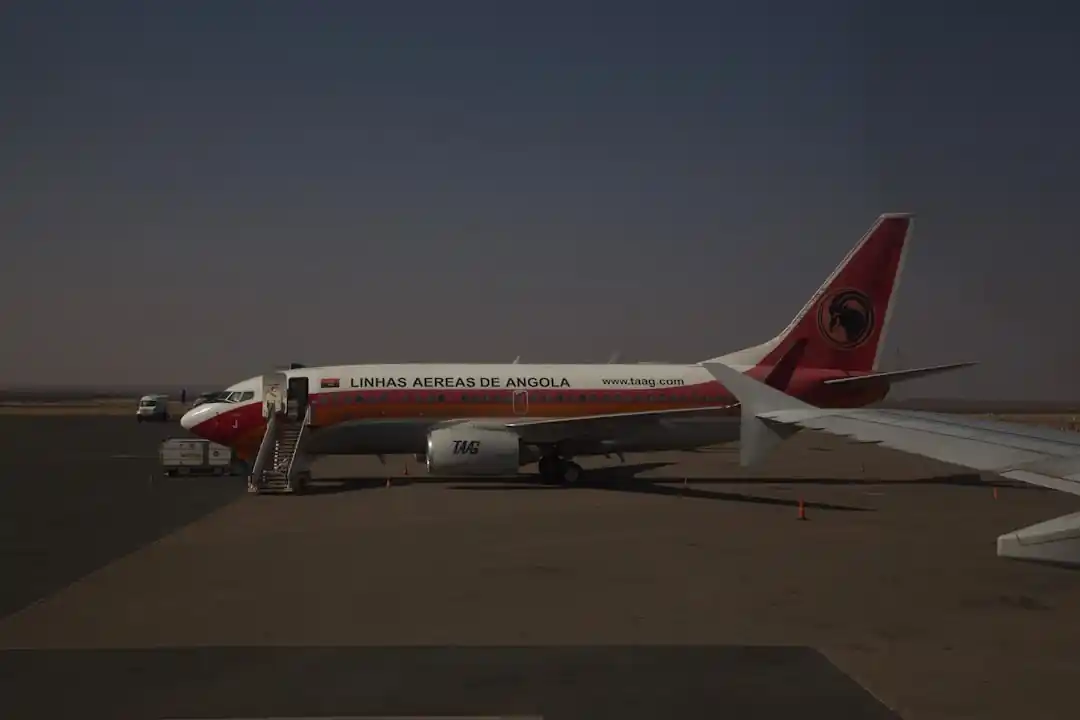
While TAAG dominates, it isn't the only option. Fly Angola has emerged as a private-sector competitor, offering another choice for travelers on key domestic routes. Operating with a focus on efficiency and competitive pricing, they connect Luanda with cities like Saurimo, Dundo, and Benguela. The presence of a carrier like Fly Angola is healthy for the market, as competition often leads to better services and more options for everyone.
For more specialized travel, particularly related to the country's significant oil and gas industry, charter services also play a major role. Airlines like SonAir have historically provided crucial links for corporate clients, though their scheduled passenger services have shifted over time. For the average tourist, TAAG and Fly Angola will be the primary choices, but it's good to know that the aviation landscape is diverse and serves a variety of needs.
The Travel Experience: Tips for Flying in Angola
So, what's it actually like to fly domestically in Angola? First, it's wise to book your flights in advance, especially during peak travel seasons. While the network is robust, popular routes can and do fill up. Online booking is becoming more common, but working with a local travel agent can also be incredibly helpful for navigating schedules and securing tickets.
Be prepared for a different pace. Airport processes might not be as streamlined as what you're used to in major Western hubs, so it's always a good idea to arrive with plenty of time to spare. Patience is a virtue in any travel situation, and it will serve you well here. Embrace it as part of the adventure.
Finally, keep an eye on baggage allowances, as they can vary between carriers. Pack smart, and remember that you're embarking on a journey in a country that is still building its tourism infrastructure. The reward for your patience and planning is the chance to see a part of the world that few have experienced—a land of breathtaking beauty, rich history, and warm, resilient people. The view from the window seat is just the beginning.

Whiteout: The Terrifying Truth About Driving in a Snow Squall
The Savvy Traveler’s Guide to Angola: Staying Safe on an Unforgettable Journey

Related Posts
 TRANSPORT
Beyond the Highway: Finding Canada's Soul on a Western Rail Adventure
Forget road trips. I'm talking about rediscovering the romance of travel on Via Rail's most scenic routes through the heart of the Canadian West. It’s an experience that changes you.
 TRAVEL TIPS
The Unwritten Rules of the North: What to Know Before Camping in Canada
Heading to the Great White North for a camping trip? It's an amazing idea. But from campfire etiquette to wildlife wisdom, here’s what you need to know before you go.

Popular Posts

Beyond Stark White: The Best Interior Paint Colors to Light Up Your New Space

How to Actually Master a New Language on Your Own (No Magic Gene Required)

The Simple Pre-Workout Fueling Strategy That Saved My Long Runs