When the flu knocks you down, figuring out what to eat feels like a huge task. But trust me, the right foods can be a total game-changer for your recovery.
The flu. Just hearing the word makes me want to curl up under a blanket and not move for three to five business days. When every muscle aches, your head is pounding, and your throat feels like you’ve swallowed a fistful of sand, the very thought of food can be, well, unappetizing. I’ve had those moments, staring into a fully stocked fridge with zero desire to eat anything in it. It feels like your body is just too busy being miserable to be hungry.
But here’s a little secret I’ve learned through a few too many bouts of sickness: what you choose to eat when you have the flu can genuinely make a difference. It’s not about forcing down a five-course meal. It’s about being strategic. Think of it as giving your body the right tools for the job—and the job is to kick that virus to the curb as quickly as possible so you can get back to feeling like a person again. It’s one of the most fundamental acts of self-care you can perform when you're feeling your absolute worst.
Hydration is Everything (No, Really)
Before we even get to solid food, let's talk about the absolute number one priority: fluids. When you have a fever, your body is burning through its water reserves trying to cool you down. Dehydration is the fast track to making every single flu symptom feel a hundred times worse, from headaches to body aches and fatigue. I learned this the hard way one year when a splitting headache from not drinking enough water was almost more painful than the flu itself.
Water is the obvious MVP, so keep a bottle by your side and sip constantly. But don't be afraid to mix it up. Warm broths—chicken, vegetable, or beef—are a triple threat. They hydrate you, the steam can help clear up congestion, and the sodium helps your body hang onto the water you're drinking. I honestly consider a good broth to be liquid gold when I'm sick. Herbal teas are also fantastic. Ginger tea can help with nausea, peppermint can soothe a sore throat, and chamomile can help you get that much-needed rest. Just try to steer clear of super sugary drinks or too much caffeine, as they can sometimes work against you.
The Gentle Giants: Easy-to-Digest Foods
When your stomach is feeling a bit iffy and your appetite is MIA, you need foods that are easy on the system. The last thing you want is to give your body another heavy task to deal with. This is where the classics really shine. You’ve probably heard of the BRAT diet (bananas, rice, applesauce, toast), and it’s recommended for a reason. These foods are bland, low in fiber, and easy for your stomach to handle.
Bananas are great because they're soft and packed with potassium, an electrolyte you can lose if you're sweating a lot. A simple bowl of white rice or a piece of plain toast provides carbohydrates for energy without requiring much digestive effort. Another one of my personal go-tos is a warm bowl of oatmeal. It’s comforting, it’s filling without being heavy, and it provides some important nutrients like iron and zinc. It’s not about exciting your taste buds; it’s about giving your body simple, effective fuel.
Power Up: Nutrient-Dense Warriors
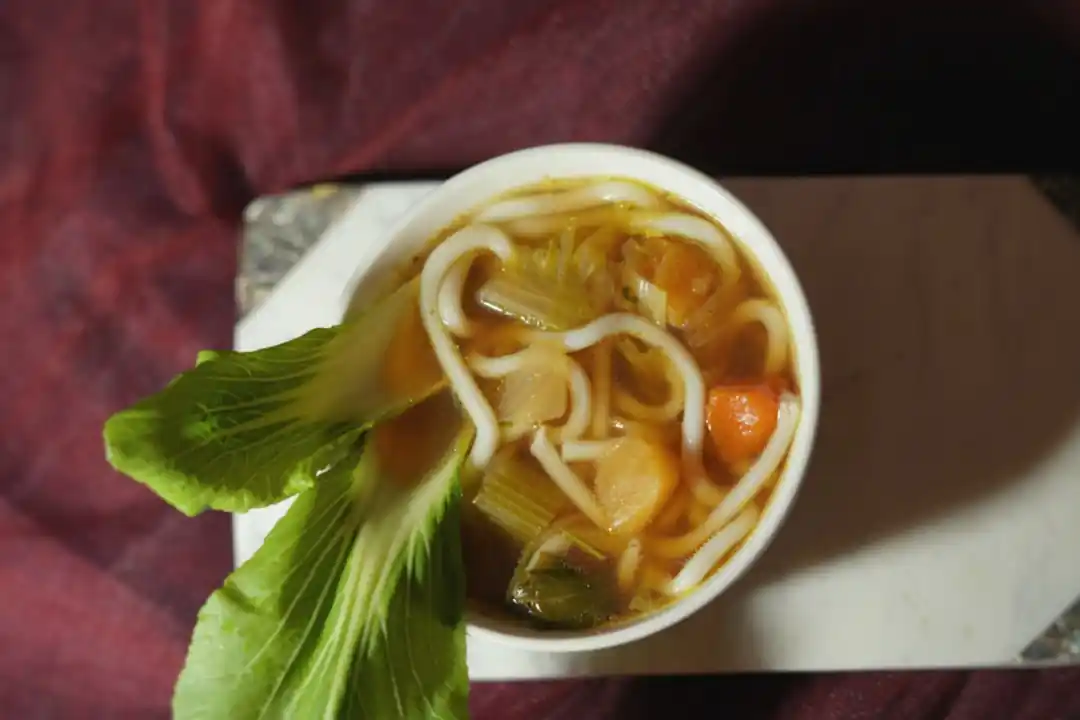
Once you start to feel a glimmer of your appetite returning, it’s time to bring in the nutritional powerhouses. These are the foods that are rich in the vitamins and minerals your immune system is crying out for. Chicken soup isn't just a myth; the combination of broth for hydration, chicken for protein, and vegetables for vitamins makes it a near-perfect recovery meal. The warmth and steam are just a bonus.
Focus on foods rich in Vitamin C, which is thought to help boost the production of white blood cells. While oranges get all the glory, you can also find it in strawberries, bell peppers, and broccoli. Foods high in zinc, like lean meats, beans, and nuts, can also help support your immune function. And don't underestimate the power of garlic. It has compounds that have been shown to have antiviral properties. I like to crush a clove and let it sit for a few minutes before adding it to my soup to maximize its benefits.
What to Politely Decline
Just as important as what you should eat is what you should probably avoid. Certain foods can increase inflammation or are just plain hard for your body to deal with when it's already under stress. Greasy, fatty, or fried foods are at the top of this list. They can be tough on your digestive system and may worsen nausea.
You’ll also want to be wary of excessive sugar. While a little can provide a quick energy boost, loading up on sugary sodas, candies, or pastries can cause inflammation and may even suppress your immune system. Dairy can also be tricky for some people, as it can thicken mucus, making congestion feel worse. It’s a very individual thing, so just listen to your body. And it probably goes without saying, but alcohol is a definite no. It’s dehydrating and can interfere with your body’s ability to heal.
Getting through the flu is mostly a waiting game, but you can play an active role in your own comfort and recovery. Being gentle with yourself, prioritizing rest and hydration, and making thoughtful food choices can make the whole ordeal a little more bearable. Here’s to feeling better, one comforting sip and nourishing bite at a time.

More Than Just Comfort: Why Your Body Desperately Needs Water During the Flu
Cracking the Code: Winning Online Lottery Marketing Strategies

Related Posts
 NUTRITION
The Simple Pre-Workout Fueling Strategy That Saved My Long Runs
Discover how timing your carbohydrates and embracing simple foods can eliminate mid-workout fatigue and unlock your true endurance potential.
 FITNESS
No Gym, No Problem: The Ultimate Guide to Bodyweight Fitness at Home
Forget expensive memberships. Discover how to build serious strength and transform your body using the most powerful tool you already own: yourself.

Popular Posts

Rethinking Non-Profit Promotion: Creative Strategies That Actually Drive Event Impact

Beyond Stark White: The Best Interior Paint Colors to Light Up Your New Space

How to Actually Master a New Language on Your Own (No Magic Gene Required)