A First-Timer's Guide to Seeing the Northern Lights in Iceland
It’s on everyone’s bucket list, but planning a trip to see the Northern Lights can feel overwhelming. Here’s everything I wish I knew before my first time chasing the aurora in Iceland.
Let’s be real for a second. Seeing the Northern Lights is one of those life goals that feels more like a dream than a plan. For years, I had photos of Iceland’s otherworldly green skies saved on my phone, a constant reminder of a trip I promised myself I’d take “someday.” The idea of standing under a celestial light show in the middle of nowhere seemed like the ultimate adventure, but also, completely intimidating. Where do you even start?
When I finally booked my ticket, I dove headfirst into research, and honestly, it was a rabbit hole of conflicting advice. Go here, not there. Rent a car, no, take a tour. You need a thousand-dollar camera. You need to be an expert navigator. It was enough to make my head spin. The truth, I discovered, is that while planning is essential, the experience is far more accessible and personal than you might think.
This isn't a checklist of tourist traps. This is the guide I wish I had before my first trip—a conversation about what it’s really like to chase the aurora in the Land of Fire and Ice, from managing your expectations to the simple, soul-stirring magic of it all.
When to Go: The Art of Chasing Darkness
The first, and most important, rule of seeing the Northern Lights is that you need darkness. Complete and utter darkness. This is why the "Northern Lights season" in Iceland runs from late September to early April. During these months, the nights are long and dark, giving you a much larger window of opportunity to see the lights. The peak months are generally considered to be from October to March, when you can get up to 15-20 hours of darkness a day.
I went in late October, and it was a perfect balance. The days were still long enough to explore Iceland's stunning landscapes—waterfalls, black sand beaches, glaciers—but by late afternoon, the sky would begin to dim, and the anticipation would start to build. It’s a strange and wonderful feeling to start looking for stars at 5 PM.
It’s not just about the time of year, but also the time of the month. A full moon, while beautiful, can significantly wash out the aurora, making it harder to see and photograph. Planning your trip around the new moon phase can dramatically increase your chances of a vibrant display. And, of course, you need clear skies. I became obsessed with checking Iceland’s meteorological website, which provides not only a cloud cover forecast but also an aurora forecast, rated on a scale from 0-9. It becomes a bit of a game, and the thrill when you see a high KP-index and clear skies predicted for your location is immense.
Where to Go: Escaping the City Glow
While you can technically see the Northern Lights from Reykjavik on a strong night, your best bet is to get as far away from city light pollution as possible. The darker the sky, the more vivid the aurora will appear. This is where you have a choice to make: base yourself in the city and take nightly tours, or rent a car and venture out on your own.
For a first-timer, I can’t recommend the south coast enough. It’s easily accessible from Keflavik airport and is dotted with iconic landmarks that make for breathtaking foregrounds in your photos. Imagine the lights dancing over the Jökulsárlón glacier lagoon, with its floating icebergs, or behind the dramatic silhouette of the Seljalandsfoss waterfall. These aren't just photo ops; they are deeply moving experiences. We stayed in a small guesthouse near the town of Vík, and just stepping outside our door on a clear night was enough to see a faint green glow on the horizon.
If you're more adventurous, the Westfjords or the northern region around Akureyri offer even more isolation and, therefore, darker skies. These areas are less traveled in the winter, so you’ll need to be comfortable driving in potentially snowy and icy conditions. But the reward is a sense of true wilderness and the feeling that the light show is just for you.
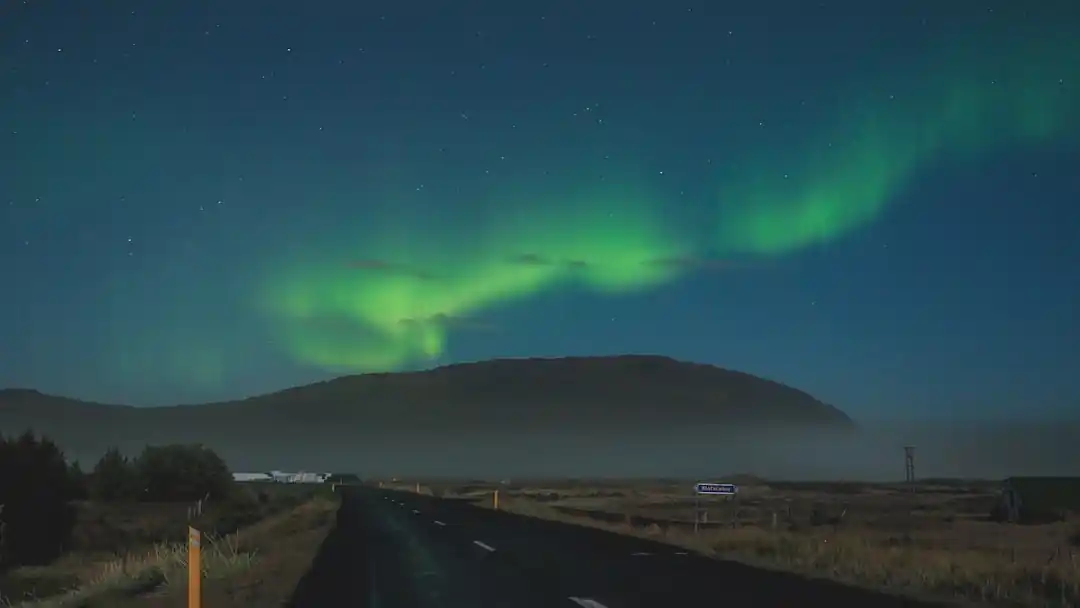
How to See Them: Tour vs. Self-Drive
This is the great debate for any first-time aurora hunter. Do you book a guided tour or do you brave the Icelandic roads yourself? Honestly, there are strong arguments for both, and the right choice depends entirely on your comfort level and travel style.
A guided tour takes all the guesswork out of the equation. The guides are experts who live and breathe aurora forecasting. They know the best, most secluded spots and will do all the driving, which can be a huge relief if you’re not used to winter road conditions. Many tours will even offer a second trip for free if you don’t see the lights on your first night. It’s a fantastic, stress-free option, especially if you’re on a short trip and want to maximize your chances.
However, renting a car gives you unparalleled freedom. It allows you to stay out as late as you want, to change locations on a whim, and to have a more personal, intimate experience. There was something incredibly special about pulling over on a deserted road, turning off the engine, and standing in complete silence as the sky began to shimmer. If you do choose to drive, make sure you rent a 4x4, check road conditions religiously, and never, ever pull over on the main Ring Road itself—always find a safe, designated pull-off area.
A Note on Managing Expectations
Here’s the most important piece of advice I can give you: the Northern Lights are a natural phenomenon, not a scheduled performance. You can do all the planning in the world, have the best gear, and be in the perfect location, and still, you might not see them. Clouds can roll in, or the solar activity might just not be strong enough.
It’s crucial to go to Iceland with the primary goal of enjoying the country itself. The landscapes are breathtaking, the culture is fascinating, and the experiences you’ll have during the day are worth the trip alone. Think of the aurora as the most incredible bonus prize imaginable. If you see it, it will be a moment you’ll carry with you for the rest of your life. If you don’t, you’ll still have had an amazing adventure in one of the most beautiful places on Earth.
My first two nights in Iceland were cloudy and fruitless. I felt a pang of disappointment, wondering if I had come all this way for nothing. But on the third night, the clouds parted for just an hour. A faint, pale green arc appeared in the sky, slowly brightening and beginning to ripple, as if a celestial curtain was being blown by an unseen wind. It wasn't the explosive, multi-colored display you see in viral videos, but it was real, and it was happening right above me. And it was more than enough. It was everything.
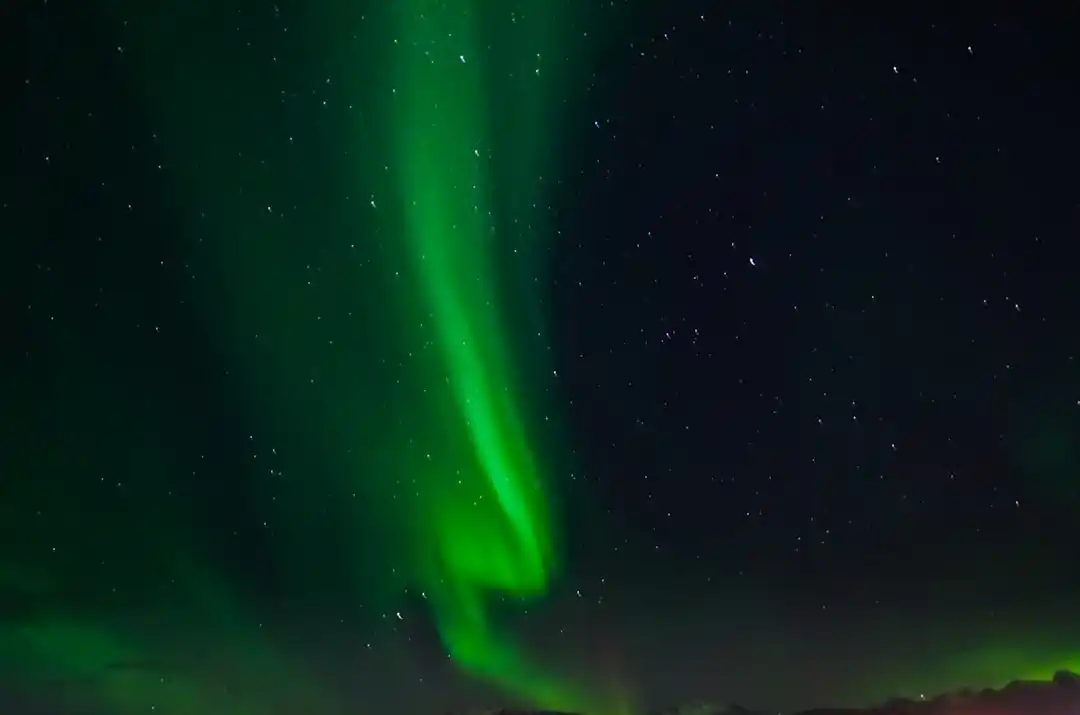
Chasing the Green Lady: The Best Cities in Norway for Aurora Viewing
Chasing the Ghost Dragon: What's the Best Time to See the Aurora Borealis?

Related Posts
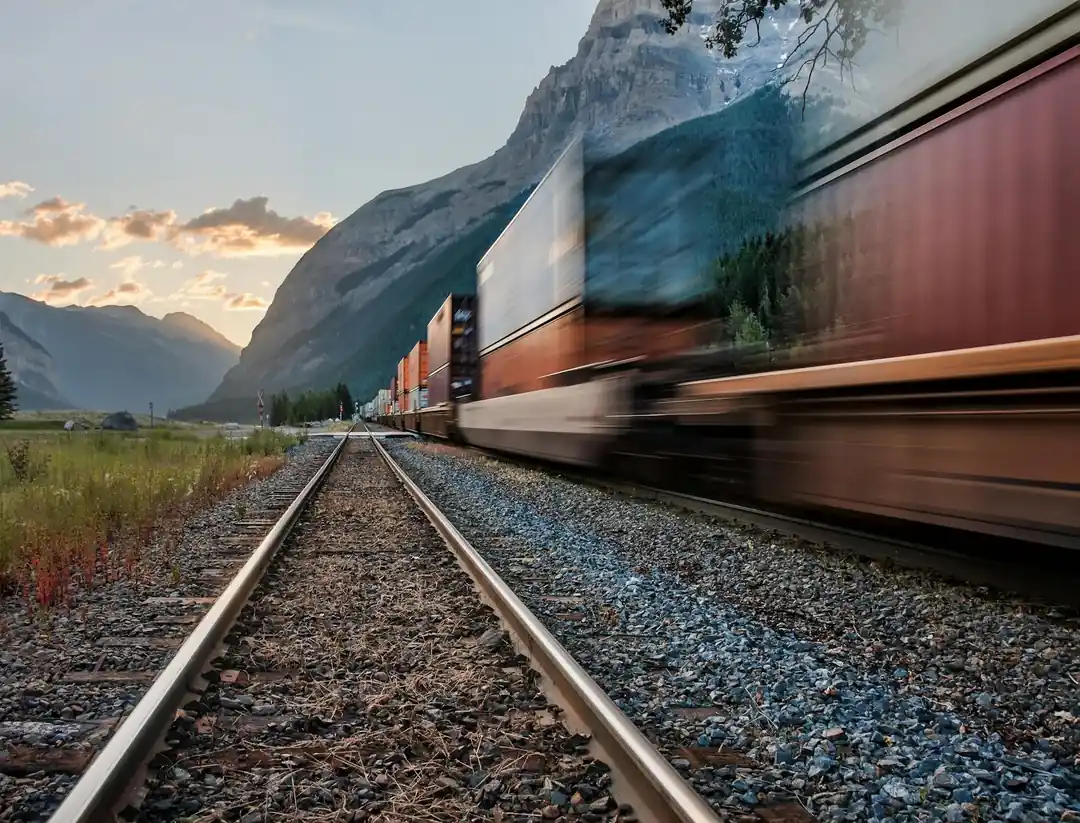 TRANSPORT
Beyond the Highway: Finding Canada's Soul on a Western Rail Adventure
Forget road trips. I'm talking about rediscovering the romance of travel on Via Rail's most scenic routes through the heart of the Canadian West. It’s an experience that changes you.
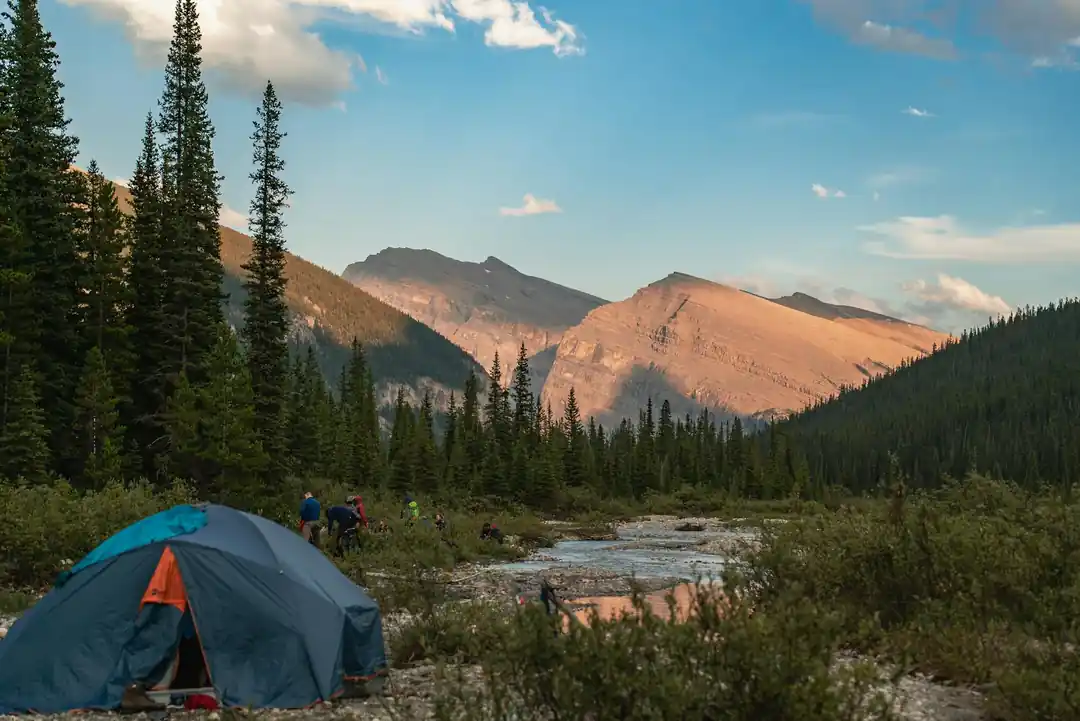 TRAVEL TIPS
The Unwritten Rules of the North: What to Know Before Camping in Canada
Heading to the Great White North for a camping trip? It's an amazing idea. But from campfire etiquette to wildlife wisdom, here’s what you need to know before you go.

Popular Posts

Rethinking Non-Profit Promotion: Creative Strategies That Actually Drive Event Impact

Beyond Stark White: The Best Interior Paint Colors to Light Up Your New Space

How to Actually Master a New Language on Your Own (No Magic Gene Required)
