We think our home kitchens are safe, but a few simple, common food handling mistakes could be putting you and your family at risk. Let's talk about what they are and how to stop.
There’s a certain magic to cooking at home. It’s a ritual, a way to unwind, and a method of showing care for yourself and the people you love. We chop, we stir, we taste, and we trust that the food coming out of our kitchen is as safe as it is delicious. But here’s a slightly unsettling thought: what if the biggest food safety risks aren’t in restaurants, but right there on our own countertops? It’s a hard pill to swallow, but statistics from the CDC suggest that a surprising number of foodborne illnesses start from meals prepared at home.
Honestly, it makes sense when you think about it. We get comfortable. We get busy. We might rinse a cutting board that just had raw chicken on it and figure it’s “good enough” to chop some salad veggies. Or maybe we leave the leftover chili on the stove to cool for a few hours before popping it in the fridge. I’ve been there. I used to think that as long as things looked and smelled okay, I was in the clear. It wasn't until I did a deep dive into the FDA's food safety guidelines that I realized some of my most common habits were actually red flags.
The good news is that making your kitchen a fortress of food safety doesn't require a culinary degree or a hazmat suit. It just requires a little more mindfulness. Let's walk through some of the most common—and most dangerous—mistakes people make and how to correct them.
Mistake #1: The Cross-Contamination Creep
This is probably the most common and stealthy villain in the kitchen. Cross-contamination is what happens when bacteria from a raw food item (think meat, poultry, or seafood) hitch a ride onto something that's ready-to-eat. It’s the reason why using the same knife and cutting board for raw chicken and then for a fresh tomato is a huge no-no.
Think of raw meat juices as glitter. If you get it on your hands, the cutting board, or the counter, it’s going to get everywhere you touch afterward unless you wash it away completely. The FDA recommends a simple but powerful system: use separate cutting boards. One for raw proteins, and another for everything else. If you only have one, that’s okay—just be diligent. Wash it with hot, soapy water after the raw meat is done with it, and before you even think about letting a piece of lettuce touch it.
This principle extends to your fridge, too. Store raw meat on the bottom shelf, preferably in a container or on a plate, to prevent any drips from contaminating the produce you have stored below. It’s a simple shift in organization that can prevent a world of hurt.
Mistake #2: Playing Fast and Loose with Temperatures
Bacteria are living organisms, and they have a favorite environment to grow and multiply in. It’s called the "Danger Zone," a temperature range between 40°F and 140°F (4°C and 60°C). Food left in this zone for too long can become a playground for harmful bacteria. This is why "cooling on the counter" is such a risky habit.
The two-hour rule is your best friend here. Perishable food should not be left at room temperature for more than two hours. If it’s a hot day, like for a picnic or barbecue (above 90°F), that window shrinks to just one hour. This includes the time it takes to get your groceries from the store to your refrigerator, so be mindful on your commute.
The same logic applies to cooking. You can't tell if meat is safely cooked just by its color. That chicken might look white, but it could still be harboring Salmonella. The only way to know for sure is to use a food thermometer. Ground meats need to reach 160°F, and poultry needs to get to 165°F. It feels a bit extra at first, but once you get into the habit of temping your food, it becomes a quick and reassuring step.
Mistake #3: The Myth of Washing Meat
This one feels so counter-intuitive, but it’s a critical piece of advice from food safety experts everywhere: do not wash your raw chicken, turkey, or other meats. For generations, many of us were taught to rinse everything before cooking it, but this practice does more harm than good.
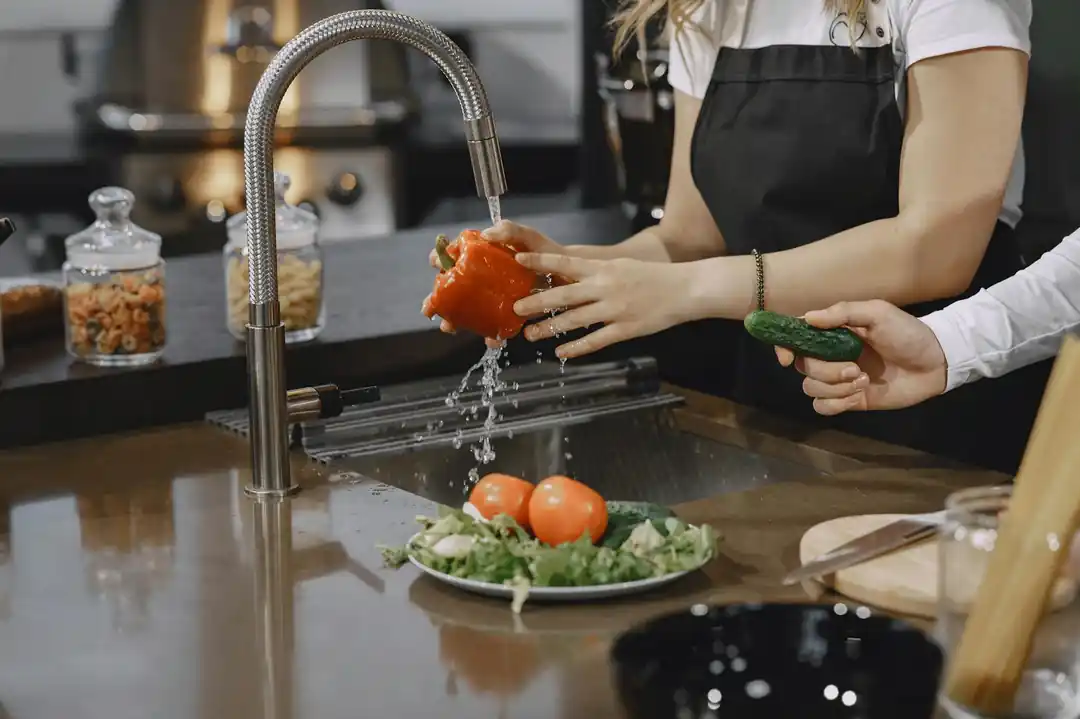
When you put raw poultry under a running faucet, the water doesn't just clean the bird; it splashes microscopic bacteria all over your sink, your countertops, your clothes, and any other food sitting nearby. You're essentially aerosolizing the germs. The heat from proper cooking is what will kill any bacteria on the meat, not a quick rinse in the sink.
So, what should you do instead? Take the meat directly from the package to the pan or cutting board. If there's excess moisture you want to remove to get a better sear, simply pat it dry with a paper towel. Then, throw that paper towel away immediately and wash your hands thoroughly.
Mistake #4: Forgetting Your First Line of Defense—Your Hands
It sounds almost too basic to mention, but improper or infrequent handwashing is a massive contributor to foodborne illness. Think about everything you touch while you're cooking: the refrigerator handle, your phone, the spice jars, your face. Each touch is an opportunity to transfer germs to the food you're preparing.
A quick rinse isn't enough. The official recommendation is to scrub your hands with soap and warm water for at least 20 seconds. That’s about the time it takes to sing "Happy Birthday" twice. You should do this before you start cooking, after handling raw meat, after cracking eggs, and before you sit down to eat.
It’s these small, seemingly insignificant moments of mindfulness that add up. Cooking should be a creative and joyful act, not a source of anxiety. By turning these simple safety steps into ingrained habits, you free yourself up to focus on the fun part: making and sharing incredible food, with the quiet confidence that it’s as safe as it is delicious.

Cracking the Code: How to Build a Film with the Three-Act Structure
From Spreadsheet to Strategy: How to Build a Financial Model for Company Valuation

Related Posts
 COOKING TIPS
Is Your Kitchen Safe? The Best Way to Check for Food Recalls at Home
That feeling of uncertainty when you hear about a food recall is all too common. Let's walk through the simple, effective ways to stay informed and keep your family safe.
 RECIPES
Beyond Peanut Butter: 7 Healthy & Delicious Sandwich Spreads You'll Love
Tired of the same old PB&J? Let's explore some incredible, nutrient-packed alternatives to peanut butter that will completely revitalize your lunch routine.

Popular Posts

Rethinking Non-Profit Promotion: Creative Strategies That Actually Drive Event Impact

Beyond Stark White: The Best Interior Paint Colors to Light Up Your New Space

How to Actually Master a New Language on Your Own (No Magic Gene Required)
