The romance of opening a craft whiskey distillery is undeniable. But behind the copper stills and aging barrels lies a harsh economic reality that many founders aren't prepared for.
There’s a certain romance to the idea of opening a craft whiskey distillery, isn’t there? You can almost picture it: the gleaming copper pot still, the sweet and malty scent of mash hanging in the air, and the profound satisfaction of creating a spirit with your own two hands. For over a decade, this dream fueled a boom across the United States, with small, independent distilleries popping up in refurbished warehouses and rural barns, each one promising a unique, locally-sourced taste of America.
But lately, the headlines have started to tell a different story. Whispers of financial trouble, closures, and bankruptcies are becoming more common. The dream, it seems, is colliding with a brutal reality. It turns out that making fantastic whiskey is only a small part of the equation. The journey from a passionate idea to a sustainable business is fraught with challenges that are pushing many of these small operations to the brink.
So, what’s really going on behind the scenes? Why are so many craft whiskey producers, who pour their hearts and life savings into their product, finding themselves unable to survive? It’s a complex issue, but it boils down to a few core, and often insurmountable, obstacles.
The Crushing Weight of Time and Money
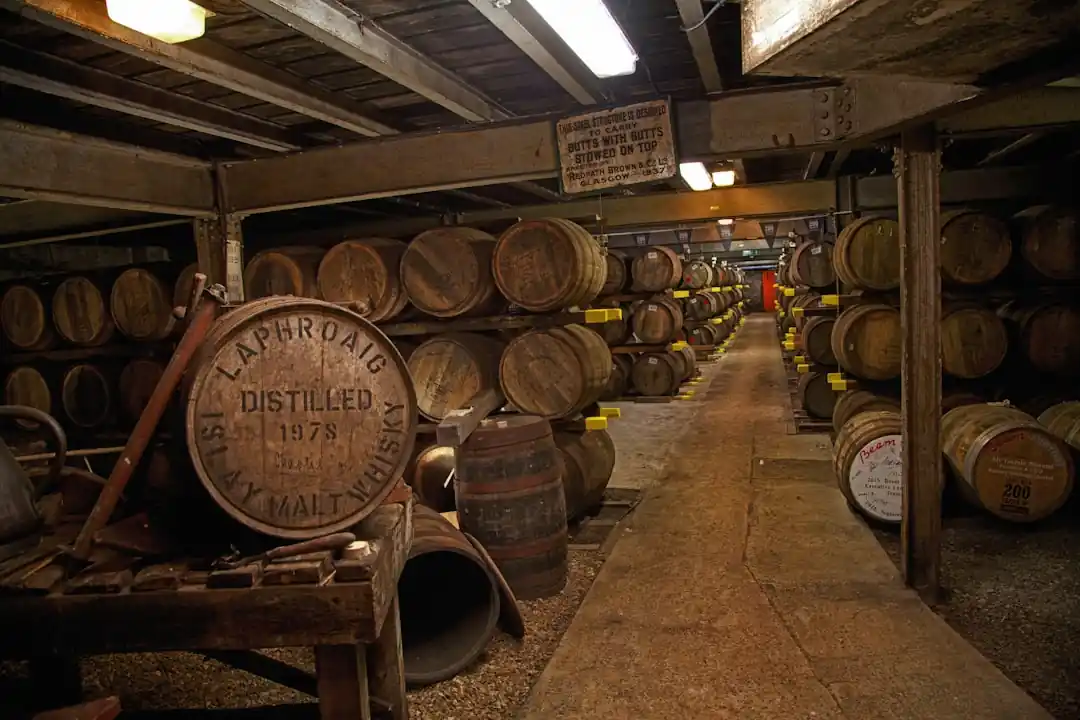
The most significant hurdle for any whiskey distillery is the one thing that makes the spirit so special: time. Unlike gin or vodka, which can be distilled one day and sold the next, whiskey must be aged. By law, a spirit can't even be called "straight bourbon" unless it has rested in a new, charred oak barrel for at least two years. Most craft distillers will tell you the real magic doesn't even start until year four or five.
This creates a massive, multi-year cash flow gap. The initial investment is staggering—you’re looking at hundreds of thousands, if not millions, of dollars for the still, fermentation tanks, a bottling line, and a space to house it all. Then you have the ongoing costs of grain, yeast, water, and electricity. And, of course, the barrels themselves, which can cost upwards of $500 each. You spend all this money to create a product that you then have to sit on, for years, before you can sell a single bottle.
Many distilleries try to bridge this gap by selling unaged spirits like "white whiskey," gin, or vodka. While this can generate some early revenue, it’s often not enough to cover the immense overhead. Furthermore, it puts them in direct competition with a different set of brands and can dilute their core identity as a whiskey producer. It’s a financial tightrope walk that many, unfortunately, fall from before their primary product is even ready.
A Saturated Market and the Fight for the Shelf
The craft distilling boom was, in many ways, a victim of its own success. A decade ago, being a "local craft whiskey" was a powerful differentiator. Today, with over 2,000 craft distilleries operating in the US, it’s simply the baseline. The market has become incredibly crowded, and everyone is fighting for the same limited resource: shelf space.
Walk into any decent liquor store, and you'll see the challenge firsthand. The whiskey aisle is a wall of bottles. The big players—the Jim Beams, Jack Daniel’s, and Maker’s Marks of the world—dominate with their massive marketing budgets and established distribution networks. They can afford prime placement, discounts, and advertising campaigns that a small startup can only dream of.
This forces craft brands into a fierce battle for attention. They rely on eye-catching labels, compelling stories, and word-of-mouth to stand out. But even with a superior product, it’s incredibly difficult to get noticed in such a noisy environment. The consumer is faced with a paradox of choice, and often defaults to the familiar, trusted brand they’ve seen advertised for years.
The Three-Tier Maze
Perhaps the most archaic and frustrating challenge is the legally mandated three-tier system for alcohol distribution in the United States. A relic of the post-Prohibition era, this system requires that a producer (the first tier) sells their product to a distributor (the second tier), who then sells it to a retailer like a bar or liquor store (the third tier), who finally sells it to the consumer.
While intended to prevent monopolies, the system now heavily favors the largest companies. Major distributors have vast portfolios and are often hesitant to take on a small, unproven brand that can't guarantee high sales volumes. Getting a distributor to even return your call can be a monumental task for a small distillery. Without a distributor, a brand is relegated to selling directly from its own tasting room, which severely limits its reach and potential for growth.
Even if a craft distillery does manage to sign with a distributor, that’s no guarantee of success. They can easily get lost in a catalog of hundreds of other brands. The distributor's sales team is incentivized to push the products that sell the most, meaning the small craft whiskey often gets overlooked. It’s a system that stifles competition and makes it incredibly difficult for small businesses to scale.
The passion and artistry of craft distillers are real, and they have fundamentally changed the American whiskey landscape for the better, introducing a level of variety and quality that was unimaginable twenty years ago. But passion doesn't pay the bills. The economic realities of high startup costs, the long wait for a return on investment, and a saturated, complex market are creating a painful but necessary correction. For the love of the craft, one can only hope that the distillers with true grit and a solid business plan find a way to weather the storm, so we can continue to enjoy the unique spirits they so painstakingly create.
Is Investing in Whiskey Casks the Liquid Gold Rush You've Been Waiting For?
Ditching the Tour Bus: An Insider’s Guide to Delhi and Agra by Public Transport
Related Posts
 BUSINESS
Rethinking Non-Profit Promotion: Creative Strategies That Actually Drive Event Impact
Discover modern, research-backed strategies for promoting non-profit fundraisers, from experiential marketing to hyper-local micro-influencers and cross-sector partnerships.
 BUSINESS
Is the TV Ad Dead? A Deep Dive into Cost and Effectiveness in 2024
In an age of streaming and scrolling, is a TV commercial still a smart bet for brands? We're breaking down the real costs and surprising effectiveness of television advertising today.
Popular Posts

Beyond Stark White: The Best Interior Paint Colors to Light Up Your New Space

How to Actually Master a New Language on Your Own (No Magic Gene Required)

The Simple Pre-Workout Fueling Strategy That Saved My Long Runs