Diving deep into the world of payment processing. It’s not just about swiping cards; it’s about unlocking your small business's true potential.
I remember the early days of a friend’s boutique. She had curated the most beautiful collection of handmade jewelry, her shop was a little jewel box, but she had one major problem: she was cash-only. I’d watch as potential customers would walk in, fall in love with a piece, and then walk out disappointed when they realized they couldn’t pay with their card. It was a painful, and completely avoidable, loss of business. This story isn't unique. For many new entrepreneurs, the term "merchant services" sounds like complex financial jargon, something for the big-box stores to worry about.
Honestly, I get it. When you're juggling inventory, marketing, and just trying to keep the lights on, setting up payment processing can feel like one more overwhelming task. But here’s the truth I've learned from covering the tech and business space for years: understanding and implementing merchant services is not just a convenience. It is a fundamental pillar of modern commerce. It’s the invisible infrastructure that allows your passion to transform into a viable, growing business in the United States.
Think of it this way: you’ve done the hard work of creating a product or service people want. Merchant services are what build the bridge between their desire and your bank account. It’s about meeting your customers where they are, and today, they are living in a world of digital wallets and tapped payments.
So, What Exactly Are Merchant Services?
Let's demystify this. At its heart, "merchant services" is a broad category that covers all the technology and financial processes required for a business to accept and process non-cash payments. The most obvious one is credit and debit card processing, but it goes much deeper than that. It’s the entire ecosystem that securely shepherds money from your customer’s bank to yours. This includes everything from the physical hardware on your counter to the complex security protocols working behind the scenes.
A complete merchant services setup typically involves a few key players. First, you have the merchant account, which is a special type of bank account that allows your business to accept the proceeds from credit and debit card sales. When a transaction is approved, the funds are temporarily held here before being transferred to your regular business bank account. Then there's the payment processor (like Fiserv or Global Payments) who actually handles the transaction, communicating with the credit card networks (Visa, Mastercard) and the customer's bank to approve or decline the charge.
For a physical store, this process is often facilitated by a Point of Sale (POS) system. This isn't just a cash register anymore; modern POS systems (from brands like Square, Clover, or Toast) are sophisticated command centers. They can include a credit card terminal, a barcode scanner, a receipt printer, and powerful software that not only processes payments but also tracks sales data, manages inventory, and even helps with customer relationship management. For online businesses, a payment gateway (like Stripe or PayPal) serves a similar function, securely capturing and transmitting payment information from your website to the processor. It’s the digital version of a POS terminal, ensuring that online transactions are both seamless and safe.
Why Your Business Genuinely Can't Thrive Without Them
If you're still on the fence, thinking you can get by with cash and checks, I want you to consider a few things. We are well past the tipping point of digital transactions being a novelty. They are the expectation. A 2021 survey showed that fewer than 1 in 10 consumers in the U.S. prefer to use cash. By not accepting cards, you are effectively telling the vast majority of potential buyers that you don't want their business. It’s a tough pill to swallow, but it’s the reality of the modern market.
The most immediate benefit of embracing merchant services is a direct increase in revenue. Customers who pay with cards tend to spend more than those limited by the cash in their wallet. This phenomenon, known as "the pain of paying," is well-documented; swiping a card feels less tangible than handing over physical bills, often leading to larger purchases. By offering this convenience, you're not just preventing walk-outs; you're actively encouraging higher sales volumes. It also dramatically improves your cash flow. Instead of waiting for checks to clear or making constant trips to the bank, electronic payments are typically deposited into your account within one to two business days, giving you faster, more predictable access to your working capital.
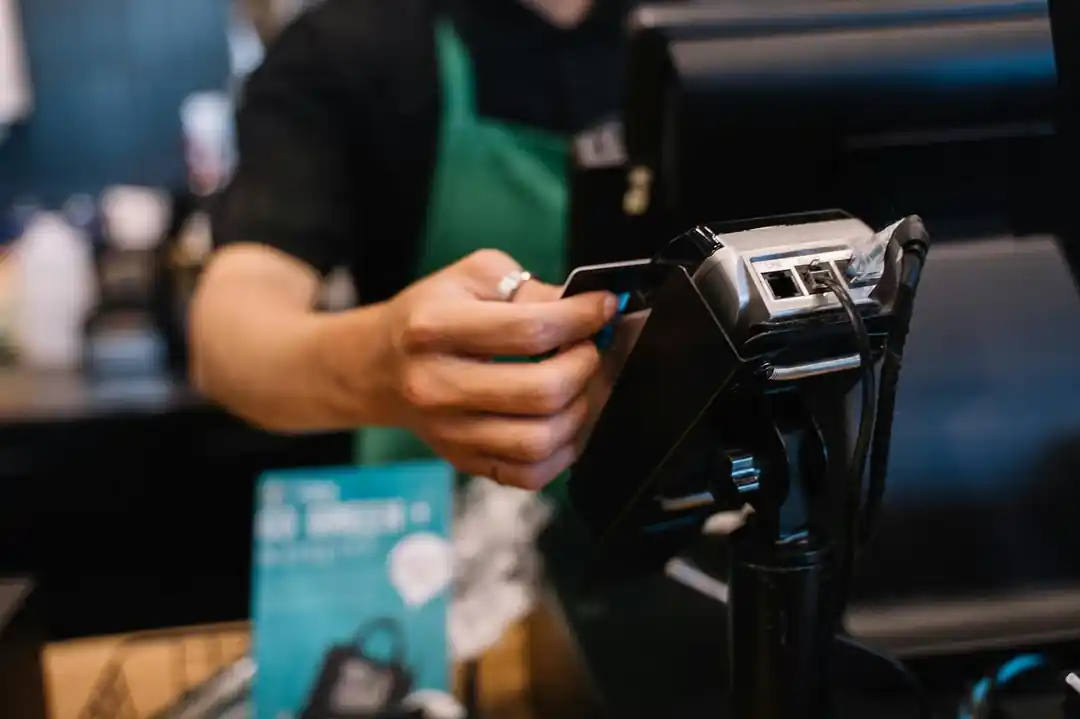
Beyond the financial gains, using a professional merchant service provider lends your business an immediate air of legitimacy and security. When customers see that you have a proper system for handling their payments, it builds trust. Reputable providers are required to be PCI DSS (Payment Card Industry Data Security Standard) compliant, which is a set of rigorous security standards designed to protect sensitive cardholder data. This means they handle the heavy lifting of encryption and fraud protection, safeguarding both your customers and your business from the devastating consequences of a data breach.
Finally, the data you gain is invaluable. Modern POS systems provide a wealth of analytics. You can see what your best-selling products are, what times of day are busiest, and even track the purchasing habits of repeat customers. This information is gold. It allows you to make smarter inventory decisions, optimize your staffing schedules, and create targeted marketing campaigns that actually work. You're no longer guessing at what your customers want; you have the data to prove it.
Choosing the Right Partner for Your Journey
Okay, so you're convinced. But a quick search for "merchant services" yields a dizzying number of options. How do you choose? The key is to look past the flashy ads and focus on three core areas: pricing transparency, hardware and software that fit your needs, and quality of support.
Pricing can be the most confusing part. You'll see terms like "interchange-plus," "flat-rate," and "tiered." For most small businesses, especially those just starting out, flat-rate pricing (popularized by Square and PayPal) is often the easiest to understand. You pay a single, predictable percentage for every transaction. As your business grows, an interchange-plus model might become more cost-effective, as it's more transparent about the base fees, but it can be more complex. The most important thing is to find a provider who is upfront about all their fees. Ask about monthly fees, PCI compliance fees, and the cost of hardware.
Next, consider your specific workflow. Are you a food truck that needs a durable, mobile-friendly system with a long battery life? Are you a retail store that needs robust inventory management and barcode scanning? Or are you an online-only business that needs seamless integration with your e-commerce platform? Don't pay for features you don't need, but also think about your future growth. A system that can scale with you is a wise investment.
And please, do not underestimate the importance of customer support. When your payment system goes down during a busy Saturday lunch rush, you don't want to be stuck navigating an endless phone tree or waiting 24 hours for an email response. Look for providers that offer 24/7 phone or chat support. Read reviews and see what other business owners are saying about their experience. A great partner will be there to help you when you need it most.
It’s easy to get lost in the details, but remember my friend with the jewelry boutique. The day she finally set up her card reader, her sales nearly doubled. It wasn't magic; it was simply removing a barrier. It was about joining the modern economy and making it easy for people to say "yes." Your business deserves that same opportunity.
Dipping Your Toes in Digital Gold: A Beginner's Guide to Crypto Trading Strategies
The Entrepreneur's Roadmap: A Guide to Applying for a Small Business Loan from a Bank

Related Posts
 BUSINESS
Rethinking Non-Profit Promotion: Creative Strategies That Actually Drive Event Impact
Discover modern, research-backed strategies for promoting non-profit fundraisers, from experiential marketing to hyper-local micro-influencers and cross-sector partnerships.
 BUSINESS
Is the TV Ad Dead? A Deep Dive into Cost and Effectiveness in 2024
In an age of streaming and scrolling, is a TV commercial still a smart bet for brands? We're breaking down the real costs and surprising effectiveness of television advertising today.

Popular Posts
Rethinking Non-Profit Promotion: Creative Strategies That Actually Drive Event Impact

Beyond Stark White: The Best Interior Paint Colors to Light Up Your New Space

How to Actually Master a New Language on Your Own (No Magic Gene Required)
