Packing for Siberia in Winter? Don't Freeze Up, Read This First.
The words 'Siberian winter' are enough to make anyone shiver. But with the right gear, it's an adventure of a lifetime. Here’s how to pack like a pro for one of the coldest places on Earth.
Siberia in winter. The words alone conjure images of vast, unending snow, air so cold it crystallizes your breath, and a profound, almost sacred silence. It’s a place that exists at the edge of imagination for many, a land of epic legends and even more epic temperatures. And honestly, that’s the appeal, isn't it? The idea of stepping into a world so powerfully, primally winter is a challenge and a thrill. But it’s not a place you visit on a whim with your standard-issue puffy coat.
I used to think I understood cold. I’ve navigated my share of blustery city winters, sure. But the Siberian cold is a different entity entirely. It’s a dry, biting, and pervasive cold that finds every gap in your armor. Preparing for it isn't just about comfort; it’s a fundamental matter of safety and respect for the environment you’re entering. As the locals wisely say, a Siberian isn't someone who doesn't feel the cold, but someone who dresses properly for it.
So, if you’re feeling the pull of the taiga, dreaming of the otherworldly ice of Lake Baikal, or wanting to ride the Trans-Siberian Railway through a snow-globe world, let’s talk about what really needs to go in your suitcase. This isn't just a packing list; it's a strategy for thriving in one of the planet's most extreme and beautiful environments.
The Art of Layering: Your First and Best Defense
If you take away only one piece of advice, let it be this: master the art of layering. In a place where temperatures can casually drop to -30°F or -40°F (and even lower in some regions), a single thick jacket won’t cut it. True warmth comes from trapping air between multiple, strategic layers. This approach creates a personal microclimate you can adjust, which is crucial because indoor spaces and trains are often heated to a sweltering degree. You’ll constantly be peeling off layers indoors and piling them back on before stepping outside.
Think of your clothing as a three-part system: a base layer for moisture management, a mid-layer for insulation, and an outer layer for protection. Each piece has a specific job, and when they work together, they create a surprisingly effective shield against the cold. It’s a system that values function over high fashion, but when you’re warm and comfortable while surrounded by breathtaking icy landscapes, you’ll feel like the most stylish person in the world.
Forget everything you know about just "bundling up." This is a calculated science. The goal is to stay warm without overheating and sweating, because moisture is the enemy. A damp layer of clothing against your skin will chill you to the bone faster than the wind itself. Every item you pack should be chosen with this principle in mind.
Base Layer: The Unsung Hero Next to Your Skin
This is your foundation, and its primary job has nothing to do with warmth and everything to do with moisture. Your base layer is designed to wick sweat away from your skin, keeping you dry. For this reason, you must avoid cotton at all costs. Cotton is a fantastic material for many things, but in extreme cold, it’s a liability. It absorbs moisture and holds onto it, essentially becoming a cold, wet sheet against your body.
Instead, you need to invest in high-quality thermal underwear made from either merino wool or a technical synthetic fabric. I’m a huge advocate for merino wool. It’s incredibly efficient at wicking moisture, it’s naturally odor-resistant (a huge bonus on a long trip), and it continues to insulate even if it gets a little damp. It’s soft, it’s breathable, and it’s worth every penny.
Synthetic options, like those made from polyester or polypropylene, are also excellent and often more budget-friendly. They dry exceptionally fast and are very durable. Whichever you choose, ensure your base layers fit snugly against your skin. They need that contact to effectively pull moisture away and start the process of keeping you warm and dry from the inside out.
Mid-Layer: Your Personal Furnace
This is where your insulation comes from. The mid-layer’s job is to trap the body heat you generate, creating a pocket of warm air that acts as a buffer against the cold. You have a few great options here, and it’s often best to have a couple of different weights you can combine. Fleece is a classic and fantastic choice. It’s lightweight, breathable, and its fluffy texture is perfect for trapping air. A good 200- or 300-weight fleece jacket is a workhorse in these conditions.
For serious insulation, nothing beats down or a high-quality synthetic equivalent (like PrimaLoft). A lightweight down vest or jacket can be an incredibly effective mid-layer, offering an unparalleled warmth-to-weight ratio. The beauty of this layer is its versatility. On a milder day, a fleece might be enough. When the temperature plummets, you can wear a fleece and a down vest under your outer shell.
I personally like to have one heavy fleece and one compressible down jacket. This combination gives me the flexibility to handle everything from a heated train car to a walk across a frozen river. It’s all about having options to build the right amount of insulation for the moment.
Outer Shell: Your Fortress Against the Elements
Your outermost layer is your shield. It needs to be completely windproof and highly water-resistant or waterproof. The Siberian wind is relentless and can cut through lesser fabrics in an instant, stripping away all that precious warmth you’ve built up. You’re looking for a serious, heavy-duty parka, preferably one that is long enough to cover your thighs.
Look for a jacket with a robust shell material, like Gore-Tex or a similar proprietary membrane, and generous insulation. A large, insulated, and adjustable hood is non-negotiable; you'll want to be able to cinch it down to protect your face from biting winds. Features like storm flaps over the zippers and adjustable cuffs are also critical for sealing out drafts.
Don’t neglect your legs. A pair of insulated, windproof pants are just as important as your parka. Ski or snowboard pants are a great option. Look for a pair that is easy to pull on over your other layers and that has gaiters at the cuff to keep snow out of your boots. Your outer layers are what stand between you and the raw power of the Siberian winter; choose them wisely.
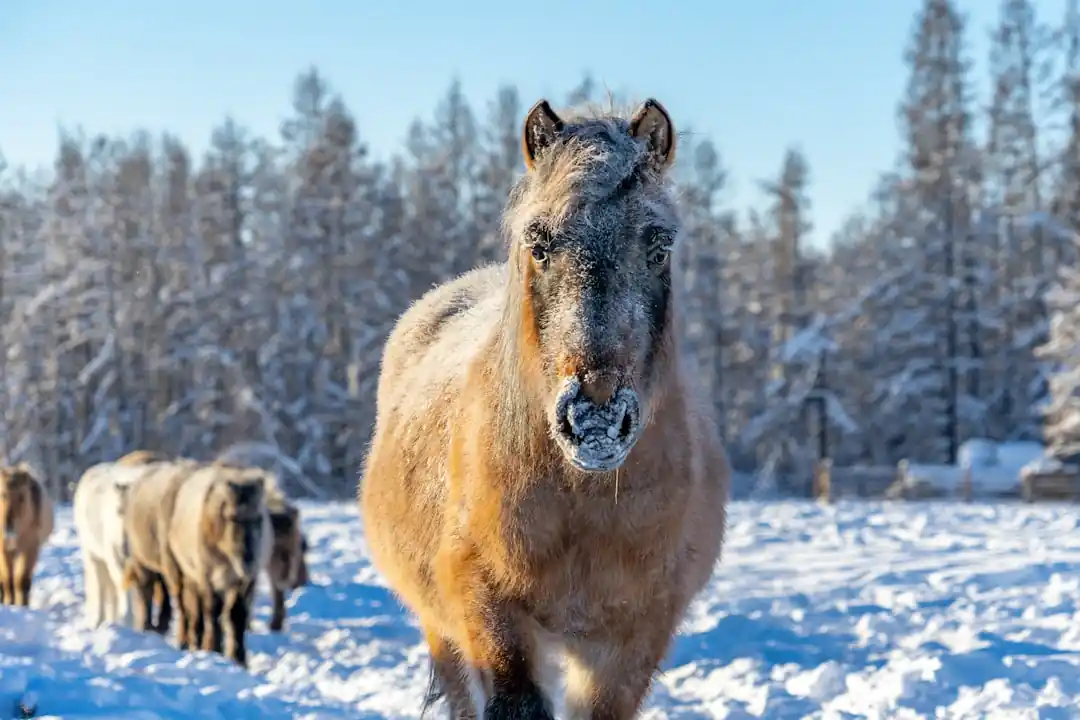
Don't Forget Your Extremities: Feet, Hands, and Head
Your core might be warm, but if your feet, hands, or head are cold, you’ll be miserable. These areas are often the first to suffer from frostbite. For your feet, you need serious winter boots—not just stylish leather ones, but insulated, waterproof boots rated for deep-cold temperatures (think -40°F). Brands like Sorel and Baffin are renowned for this kind of footwear. Make sure they are not too tight; you need space for thick socks and for air to circulate.
Speaking of socks, again, merino wool is your best friend. Pack several pairs of thick wool socks and consider a thin liner sock underneath for extra wicking power. For your hands, mittens are almost always warmer than gloves, as they allow your fingers to share heat. A great system is a thin pair of liner gloves (so you can operate a camera without exposing your skin) inside a thick, insulated, windproof mitten.
Finally, your head. A warm wool or fleece hat that covers your ears is essential. But you should also bring a balaclava or a neck gaiter (like a Buff). This allows you to cover your nose, cheeks, and chin, protecting your face from brutal windburn. The combination of a hat and a balaclava gives you total, adaptable coverage for your entire head.
The Little Things That Make a Big Difference
Beyond the big clothing items, a few small essentials will dramatically improve your quality of life. The air is incredibly dry, so bring a heavy-duty moisturizer and a good lip balm with SPF. The sun reflecting off the snow is surprisingly strong. A pair of high-quality sunglasses or snow goggles is also a must to prevent snow blindness and protect your eyes from the wind.
Because the cold drains battery life with shocking speed, a portable power bank is crucial for keeping your phone and camera alive. An insulated water bottle or thermos is also a fantastic idea for carrying hot tea or soup, giving you a welcome bit of internal warmth during a long day of exploring. And finally, pack a few disposable hand and toe warmer packets. They feel like pure luxury when you’re starting to feel a chill and can be a real lifesaver.
Venturing into the Siberian winter is an undertaking, but it’s one that rewards preparation with unforgettable beauty. It’s a chance to see the world in a state of pure, frozen majesty. Pack smart, stay warm, and go make some memories that will last a lifetime.

The Unspoken Rules of Traveling in Extreme Cold
Beyond the Cold: What is Yakutia Really Known For?
Related Posts
 TRANSPORT
Beyond the Highway: Finding Canada's Soul on a Western Rail Adventure
Forget road trips. I'm talking about rediscovering the romance of travel on Via Rail's most scenic routes through the heart of the Canadian West. It’s an experience that changes you.
 TRAVEL TIPS
The Unwritten Rules of the North: What to Know Before Camping in Canada
Heading to the Great White North for a camping trip? It's an amazing idea. But from campfire etiquette to wildlife wisdom, here’s what you need to know before you go.
Popular Posts

Rethinking Non-Profit Promotion: Creative Strategies That Actually Drive Event Impact

Beyond Stark White: The Best Interior Paint Colors to Light Up Your New Space

How to Actually Master a New Language on Your Own (No Magic Gene Required)
