Thinking of heading to Bangladesh? Getting around its vibrant cities is an adventure in itself. Here’s a friendly guide to mastering everything from classic cycle-rickshaws to modern apps like Uber and Pathao.
There’s a certain kind of beautiful chaos you’ll find in the major cities of Bangladesh, like Dhaka and Chittagong. It’s an energy that hits you the moment you arrive—a whirlwind of sounds, sights, and smells that is at once intense and utterly captivating. For a first-time visitor from the US, figuring out how to get from point A to point B in this bustling environment can seem like the ultimate challenge. But honestly, it’s one of the most authentic and rewarding parts of the experience.
I remember feeling a mix of excitement and apprehension before my first trip. How would I handle the traffic? Would I be able to communicate? The questions were endless. But what I discovered was a system of transport that, while different from what I was used to, was full of its own logic and charm. It’s a system that forces you to engage with the city on a deeper level. Forget sterile subway cars; this is travel that makes you feel alive.
So, let’s pull back the curtain. From the iconic, artfully decorated rickshaws that feel like a journey back in time to the modern convenience of ride-sharing apps that have completely transformed urban travel, this is your guide to getting around. Think of it as a friendly chat over coffee, preparing you for the adventure that awaits.
The Soul of the Streets: The Cycle Rickshaw
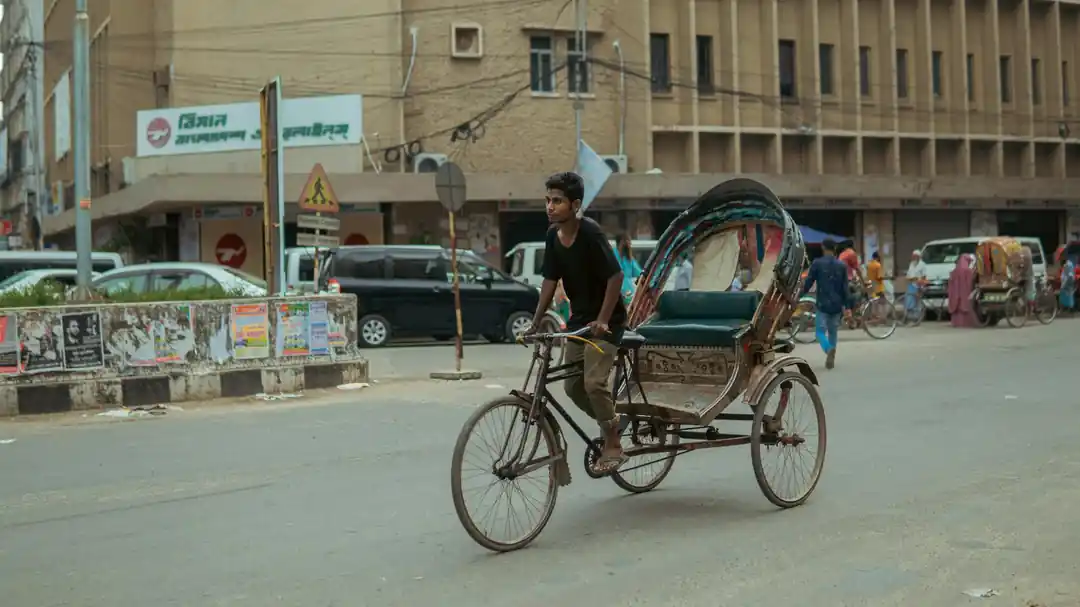
You can't talk about getting around in Bangladesh without starting with the humble cycle rickshaw. These three-wheeled vehicles are, without a doubt, the heart and soul of the city streets. Dhaka is famously known as the "Rickshaw Capital of the World," and it’s a title that is well-earned. There are hundreds of thousands of them, each one a unique, moving piece of folk art, lavishly decorated with bright paintings of flowers, movie stars, and dreamy landscapes. It’s a visual feast.
Riding in a rickshaw is perfect for short distances, especially for diving into the narrow, winding lanes of Old Dhaka where cars can’t venture. It’s a slow, immersive experience. You’re not just passing through the city; you’re in it. You feel the breeze, hear the chatter of the street vendors, and smell the incredible food being cooked on every corner. It’s the most scenic, personal, and, frankly, poetic way to travel.
A little bit of practical advice: always, and I mean always, agree on the fare before you start your journey. Bargaining is part of the culture, so don’t be shy, but do it with a smile. Have an idea of what you should pay by asking a local or your hotel staff. And remember the incredible human effort involved. These drivers, or rickshaw-wallahs, are some of the hardest-working people you will ever meet. A small tip is always appreciated.
The Green Hornets: CNG Auto-Rickshaws
When you need to go a bit further or a bit faster, the CNG is your go-to. These are the green, motorized three-wheelers you’ll see buzzing all over the city. CNG stands for "Compressed Natural Gas," which powers these vehicles, making them a slightly more eco-friendly option than a standard taxi. They are the workhorses of mid-distance urban travel, faster than a rickshaw and able to weave through traffic with an agility that cars can only dream of.
Getting a CNG is an experience. They often have a wire-mesh cage around the passenger area for safety, which can feel a little strange at first, but you get used to it. Just like with a rickshaw, negotiating the fare beforehand is standard practice. While most CNGs are equipped with a meter, it’s common for drivers to prefer a pre-agreed price, especially for foreign passengers. My advice? Use a ride-sharing app to get a baseline fare for your route, then use that knowledge to negotiate a fair price.
A ride in a CNG is a full-sensory experience. You’re right in the thick of the traffic, feeling every bump and hearing every horn. It’s not the most luxurious ride, but it’s efficient and gives you an unfiltered taste of the city's raw energy. Just hold on to your belongings and enjoy the ride—it’s a story you’ll be telling for years.
A Modern Fix: Uber and Pathao
For those moments when you’re craving a bit of familiarity and predictability, ride-sharing apps are a true game-changer in Bangladesh. Uber is widely available and works just like it does back home, offering a blessed escape into an air-conditioned car. But you’ll also want to download Pathao, a local startup that has become incredibly popular. Pathao offers cars, but its real strength is its motorbike service.
Yes, you can hop on the back of a motorcycle and zip through the city’s notorious traffic. For a solo traveler, it’s the fastest and most cost-effective way to get around. It might sound a little intimidating, but it’s an exhilarating and surprisingly common mode of transport. Drivers provide a helmet, and it gives you a perspective on the city’s traffic patterns that is simply unmatched. I’ve saved hours of travel time by opting for a Pathao bike during peak congestion.
The best part about using these apps is the transparency. The fare is set, you can track your ride, and you can share your journey with someone for extra peace of mind. While you can link a credit card, most drivers prefer cash, so it’s always good to have some smaller bills handy. These apps provide a fantastic bridge between the traditional and the modern, giving you options to suit your comfort level and your schedule.
The Full Immersion: Buses and Beyond
If you’re feeling truly adventurous and want to travel like a local, you can brave the public bus system. The buses are incredibly cheap and cover extensive routes, but they are often incredibly crowded. It can be a confusing and intense experience for a newcomer, but it is also the most authentic glimpse into the daily life of millions of Bangladeshis. If you decide to try it, maybe go with a local friend for your first time.
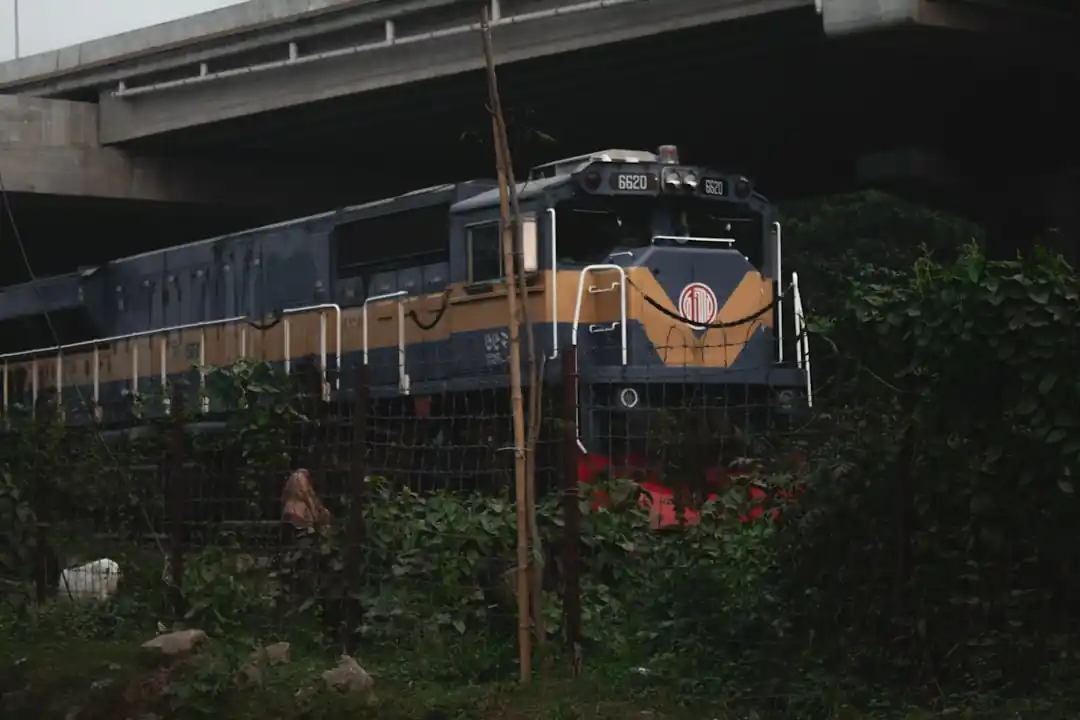
For longer journeys between cities, trains and long-distance buses are excellent options. The train network connects most of the major hubs and offers a comfortable and scenic way to see the country's beautiful landscapes. Booking in advance is highly recommended, especially around holidays.
Ultimately, navigating Bangladesh's cities is about embracing the adventure. It’s about learning to go with the flow, having a little patience, and being open to new experiences. Each ride, whether in a rickshaw, a CNG, or on the back of a motorbike, is a small story, a brief connection with the people who make these cities so vibrant. So take a deep breath, step out into the beautiful chaos, and enjoy the journey.
The American's Guide to Booking a Train Ticket in Bangladesh
Your Guide to Getting a Bangladesh Visa as a US Citizen
Related Posts
 TRANSPORT
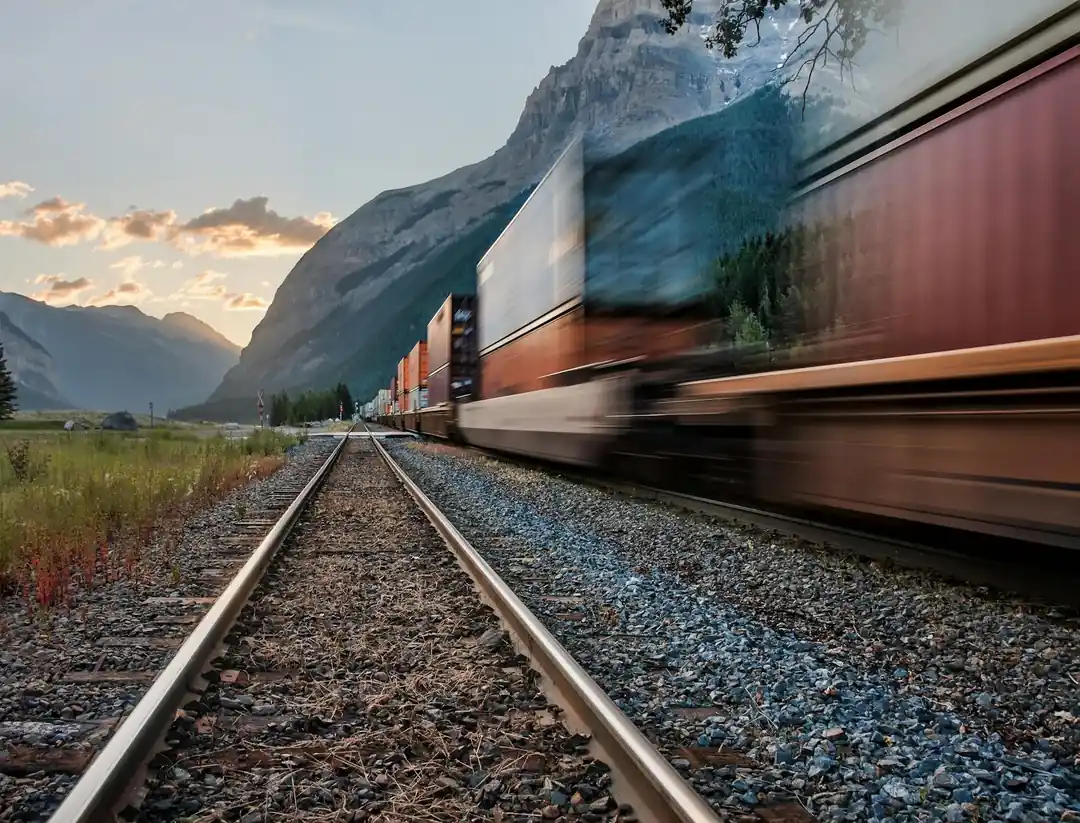
Beyond the Highway: Finding Canada's Soul on a Western Rail Adventure
Forget road trips. I'm talking about rediscovering the romance of travel on Via Rail's most scenic routes through the heart of the Canadian West. It’s an experience that changes you.
 TRAVEL TIPS
The Unwritten Rules of the North: What to Know Before Camping in Canada
Heading to the Great White North for a camping trip? It's an amazing idea. But from campfire etiquette to wildlife wisdom, here’s what you need to know before you go.

Popular Posts

Rethinking Non-Profit Promotion: Creative Strategies That Actually Drive Event Impact

Beyond Stark White: The Best Interior Paint Colors to Light Up Your New Space

How to Actually Master a New Language on Your Own (No Magic Gene Required)
