Living in an apartment means thinking differently about earthquake safety, especially for our pets. It's not just about a go-bag; it's about a promise to keep them safe when their world turns upside down.
It’s a thought that quietly rattles in the back of your mind when you live on the 15th floor. You feel a slight sway and wonder, "Was that just the wind?" For those of us in earthquake country, that fleeting question can quickly spiral. We have our own mental checklists: duck, cover, hold on. We know where the water is, where the flashlight is. But then you look over at your dog, blissfully unaware on the couch, or your cat, sunbathing in a window patch, and a different kind of anxiety sets in. Their safety plan is entirely, completely, up to you.
I used to think having a bag of extra kibble and a spare leash was enough. It felt responsible, like I had checked a box. But the reality of navigating a shaking building, potentially without power or working elevators, with a terrified animal in tow, is a scenario that requires more than just a few supplies. It requires a genuine, thought-out plan. It’s about making a promise to this creature who trusts you implicitly that you’ve thought about their survival as much as your own.
This isn't about fear-mongering. It's about empowerment. It’s about transforming that low-level anxiety into a concrete set of actions, so that if the unthinkable happens, you can act with clarity and confidence, for both of you.
Your Pet's "Go-Bag" Is Non-Negotiable
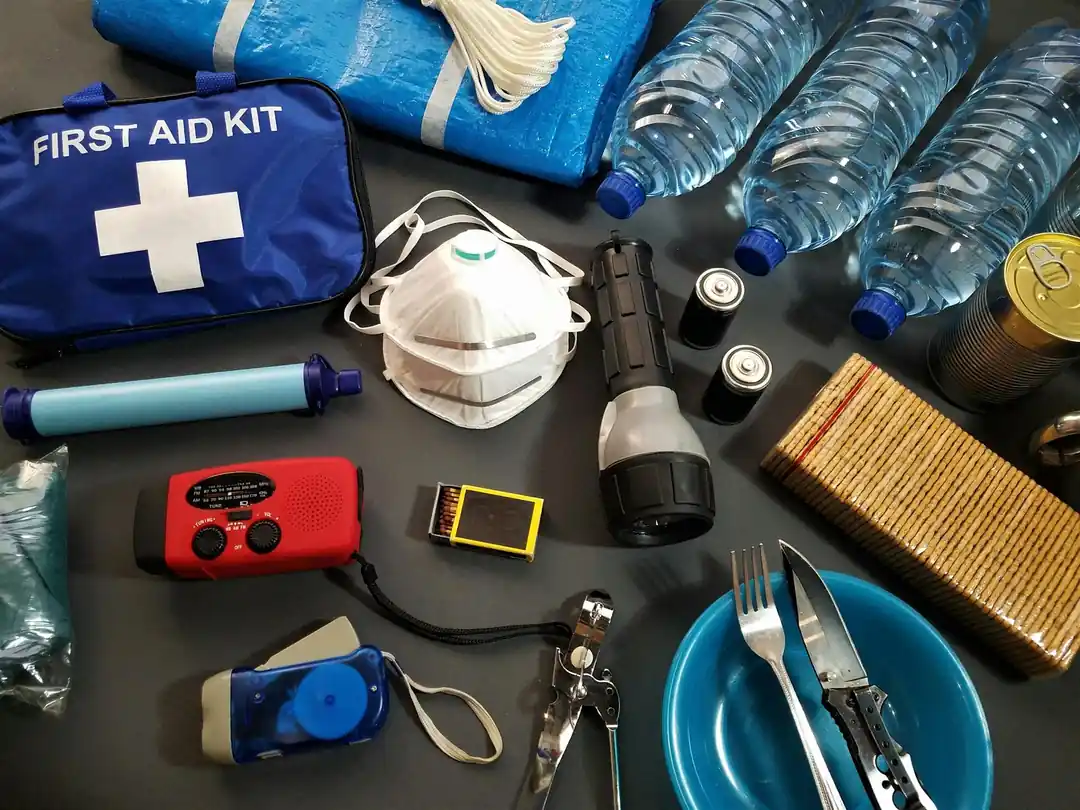
Let's be honest, packing a "go-bag" can feel like a chore, but it is the single most important physical thing you can prepare. This isn't just a collection of items; it's a lifeline. Experts from FEMA and the ASPCA consistently emphasize that you should have enough supplies for at least five to seven days. In a major urban earthquake, infrastructure can be down for a while, and you can't assume you'll be able to just "pop out" to the store.
So, what goes in? Start with the absolute essentials: food and water. Pack at least a week's worth of their regular food in a waterproof, airtight container (a sudden diet change can cause digestive issues, which is the last thing you want to deal with). For water, the guideline is about a gallon per pet for a week. Collapsible bowls are a fantastic space-saver here. Next, medications. Pack a full week's supply, along with a list of dosages and your vet's contact information, all sealed in a Ziploc bag.
But survival is more than just food and water. It's about safety and sanity. A sturdy leash and a well-fitting harness (harnesses are better as they don't put pressure on the neck if the animal pulls or panics) are critical. For cats and small dogs, a comfortable, secure carrier is a must. Get them used to it now; make it a safe, happy place with treats and blankets, not a scary box that only appears for vet visits. Finally, include copies of their vaccination records and a recent photo of you with your pet. In the chaos of a disaster, proving ownership can become incredibly important if you get separated.
Designating a Safe Zone and Practicing the Exit
In an apartment, your space is your sanctuary, but during a quake, it can become a maze of hazards. Before anything happens, do a walkthrough. Identify the safest spots in your home—away from windows, mirrors, and tall, heavy furniture that could topple. A sturdy desk or a small interior bathroom can be a good spot. This is where you'll want to go, with your pet, when the shaking starts.
The next step is planning the exit. A high-rise presents unique challenges. The elevators will almost certainly be out of service, so you need to be prepared for the stairs. Is your pet capable of walking down 10, 20, 30 flights of stairs? If not, is your carrier comfortable enough for you to carry them that distance? This is something to physically practice. A few years ago, I tried carrying my 15-pound cat in his old plastic carrier down five flights of stairs as a drill, and I was exhausted and clumsy. It was a wake-up call. I immediately invested in a backpack-style carrier that distributes his weight evenly and keeps my hands free.
It's also crucial to have a "buddy system" with a trusted neighbor. What if you're at work when a quake hits? Exchange keys and give each other permission to retrieve your pets. Show them where your go-bag is, where the carrier is, and how to handle your pet. This reciprocal agreement can be the difference between your pet being left alone in a damaged building and being brought to safety.
The Aftermath: Navigating a New and Scary World
Getting out is only the first part of the challenge. The world outside your apartment door could be dramatically different. Sidewalks may be littered with glass and debris, and familiar smells and landmarks might be gone. For a pet, this is incredibly disorienting and frightening. Their paws are sensitive, so if you have a dog, having a pair of protective booties in their go-bag is a brilliant move.
Keep your pet on a short leash at all times. Their instinct might be to bolt and run back toward the familiar territory of home, even if it's dangerous. Be aware of their stress levels. Excessive panting, shaking, or hiding are all signs of trauma. Your calm, reassuring presence is their best anchor in a sea of chaos. Speak to them in a low, soothing voice.
Finally, have a plan for where you will go. Many emergency shelters for people do not accept pets (with the exception of service animals). Before a disaster strikes, research pet-friendly hotels in your area and in neighboring towns. Keep a list of their numbers in your go-bag. Also, talk to friends and family who live outside your immediate area to see if they could temporarily house you and your pets. Having these destinations in mind prevents you from being stranded and having to make an impossible choice. It’s the final piece of the promise, ensuring that "safety" means you all stay together.

Tap, Pay, Go: The Real Pros and Cons of Your Digital Wallet
From Rubble to Resilience: How Earthquakes Shaped San Francisco's Skyline

Related Posts
 HOBBIES
The Beginner's Guide to Reading the Night Sky: How to Spot Your First Constellations
A friendly, grounded guide to navigating the night sky, understanding stellar movements, and spotting iconic constellations without expensive gear.
 PETS
PETSSniffle-Free Snuggles: America's Most-Loved Hypoallergenic Dogs
Dreaming of a furry friend but dreading the sneezes? You're not alone. Let's dive into the wonderful world of popular hypoallergenic dog breeds in the US.

Popular Posts

Rethinking Non-Profit Promotion: Creative Strategies That Actually Drive Event Impact

Beyond Stark White: The Best Interior Paint Colors to Light Up Your New Space

How to Actually Master a New Language on Your Own (No Magic Gene Required)
