Economic uncertainty is stressful, but you can take control. Here’s a realistic guide to preparing your finances for a potential recession, focusing on what you can control.
There's a certain buzz in the air, a low-grade hum of anxiety that seems to permeate conversations and news headlines. "Recession." The word itself feels heavy, loaded with uncertainty. If you're feeling a little on edge about the economy, you are far from alone. It’s a collective nervousness, a shared sense of bracing for something we can’t quite see. But here’s a thought: what if we could channel that nervous energy into action? What if, instead of passively worrying, we actively prepared?
The truth is, economic cycles are a natural, albeit sometimes painful, part of life. Recessions happen. Instead of letting the headlines dictate our peace of mind, we can focus on what is within our control: our own personal financial health. Building a financial buffer isn't about being pessimistic; it's about being realistic and proactive. It's about giving yourself the incredible gift of security and options, no matter which way the economic winds blow.
This isn't about complex financial jargon or impossible goals. It's about taking small, deliberate steps to build a more resilient financial life. Let's walk through it together.
The Bedrock: Your Emergency Fund
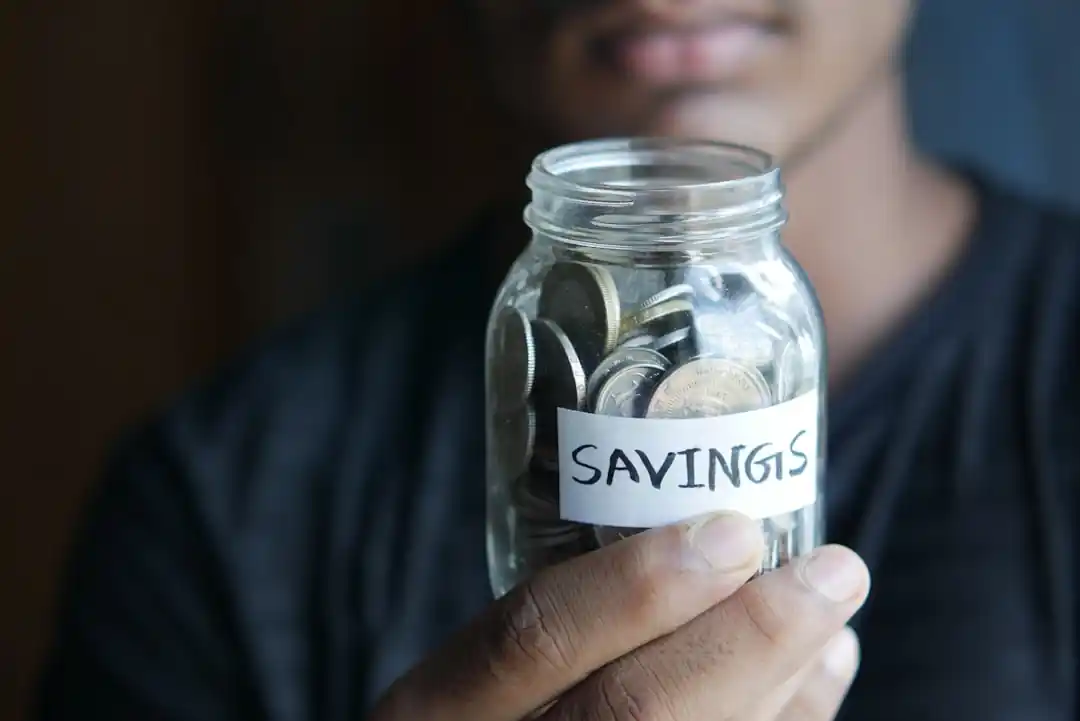
Before anything else, we need to talk about the emergency fund. Honestly, if you do nothing else on this list, do this. An emergency fund is your personal safety net, the financial cushion that separates an inconvenience from a full-blown crisis. Think of it as the ultimate act of self-care. It’s the money that lets you sleep at night, knowing that if your car breaks down or you face an unexpected job loss, you have a buffer to see you through without derailing your entire life.
The standard advice is to save three to six months' worth of essential living expenses. This means rent or mortgage, utilities, groceries, transportation, and insurance—the absolute must-pays. If that number feels intimidating, don't get discouraged. Start smaller. Aim for one month's expenses, or even just $1,000. The initial goal is just to have something set aside. The momentum will build from there.
Where do you keep this sacred fund? In a high-yield savings account. It needs to be liquid (meaning you can access it quickly) but separate from your daily checking account to avoid the temptation of dipping into it for non-emergencies. Automate your savings, even if it's just a small amount from each paycheck. The consistency is what builds the foundation, brick by brick.
Confront the Elephant: High-Interest Debt
Debt, especially high-interest debt like credit cards, is like an anchor in a storm. During a recession, when income might become less stable, that anchor can drag you down fast. High interest rates work against you every single day, making it harder and harder to get ahead. Now is the time to face it head-on.
Make a list of all your debts, from credit cards and personal loans to car loans. Note the interest rate for each one. There are two popular strategies for tackling this: the "avalanche" method (paying off the debt with the highest interest rate first) and the "snowball" method (paying off the smallest debt first for a quick psychological win). Both are effective. The best method is the one you'll actually stick with.
While you're aggressively paying down debt, try to avoid taking on any new, unnecessary debt. This might mean pausing large, non-essential purchases for a while. It’s a temporary sacrifice for long-term freedom and stability. Reducing your monthly debt payments frees up cash flow, which is your most powerful tool in a tough economic climate.
Your Financial GPS: The Budget
The word "budget" often gets a bad rap. It sounds restrictive, like a financial diet. But I encourage you to reframe that thinking. A budget isn't a cage; it's a roadmap. It’s you, telling your money where to go, instead of wondering where it went. In times of uncertainty, knowing exactly where your money is flowing is not just smart; it's empowering.
You don't need a complicated spreadsheet (unless you're into that!). You can use a simple notebook, a budgeting app, or the 50/30/20 rule (50% for needs, 30% for wants, 20% for savings and debt repayment). The key is to track your income and your expenses for a month to get a clear picture of your financial habits. You might be surprised by what you find. That daily coffee, those multiple streaming subscriptions—they add up.
Once you have the data, you can start making conscious decisions. Where can you trim the fat? This isn't about depriving yourself of all joy. It's about mindful spending. Maybe it's cooking at home more often or canceling a subscription you barely use. Every dollar you redirect from a "want" to your emergency fund or debt repayment is a powerful step toward financial resilience.
The Long Game: Investing and Career
When the market gets volatile, it's tempting to panic. The headlines scream, and the red arrows on the stock market charts can feel terrifying. But seasoned investors know that recessions can actually be opportunities. It’s crucial to remember that investing is a long-term game. If you have a solid, diversified portfolio, the worst thing you can do is sell in a panic, locking in your losses.
If you're still contributing to a 401(k) or other retirement accounts, keep doing it. You're essentially buying shares at a discount, a practice known as dollar-cost averaging. It feels counterintuitive, but continuing to invest during a downturn can significantly pay off in the long run. If you're unsure about your investment strategy, now might be a great time to talk to a financial advisor.
Beyond the market, think about your most valuable asset: your ability to earn an income. Is your resume up to date? Are there skills you could learn to make yourself more valuable in your field? Exploring a side hustle or freelance work can also be a fantastic way to diversify your income streams. Having more than one source of income, even if the second one is small, provides an extra layer of security.
Preparing for a recession isn't about fear. It's about foresight, control, and building a life that is less fragile and more fortified. It's about taking the abstract anxieties of the global economy and turning them into concrete, positive actions in your own life. You've got this.

Fueling the Future: The Essential Nutrients Your Child Needs to Thrive
The Silent Thief: How Inflation is Quietly Eroding Your Savings

Related Posts
 BUSINESS
Rethinking Non-Profit Promotion: Creative Strategies That Actually Drive Event Impact
Discover modern, research-backed strategies for promoting non-profit fundraisers, from experiential marketing to hyper-local micro-influencers and cross-sector partnerships.
 BUSINESS
Is the TV Ad Dead? A Deep Dive into Cost and Effectiveness in 2024
In an age of streaming and scrolling, is a TV commercial still a smart bet for brands? We're breaking down the real costs and surprising effectiveness of television advertising today.

Popular Posts
Rethinking Non-Profit Promotion: Creative Strategies That Actually Drive Event Impact

Beyond Stark White: The Best Interior Paint Colors to Light Up Your New Space

How to Actually Master a New Language on Your Own (No Magic Gene Required)
