Whiteout on the Highway: How to Prepare Your Car for a Sudden Snow Squall
One minute the road is clear, the next you're in a blinding blizzard. Let's talk about what a snow squall is and how to make sure you and your car are ready for one.
There’s a unique flavor of anxiety that hits when you’re cruising down a highway in winter, maybe enjoying the crisp, cold scenery, and then, almost instantly, the world vanishes. One second you can see the taillights of the car ahead, and the next, you’re wrapped in a thick, swirling cocoon of white. This isn’t just a heavy flurry; it’s a snow squall, and it’s one of the most jarring experiences you can have behind the wheel.
I’ve been there, gripping the steering wheel with white knuckles, my heart pounding in my chest as visibility dropped to essentially zero. It feels like the world outside your car has simply ceased to exist. It’s disorienting, terrifying, and it happens so fast that you barely have time to process it. That’s why preparing for one isn’t just about being a good driver; it’s about having the right mindset and the right gear before you even turn the key.
What Exactly Is a Snow Squall, Anyway?
It’s easy to lump all winter weather together, but a snow squall is a different beast entirely. Unlike a snowstorm that might be in the forecast for days, a squall is a short, ferocious burst of heavy snow and strong, gusty winds. The National Weather Service often compares it to a summer thunderstorm—it arrives with little warning, hits with incredible intensity, and then moves on relatively quickly, often in less than an hour.
The extreme danger of a squall comes from the rapid one-two punch it delivers. First, the "whiteout." The intense snowfall and high winds can reduce visibility to a quarter-mile or less, often in just a matter of seconds. One moment you're driving, the next you're staring into an impenetrable wall of white. Second, the "flash freeze." As the squall line passes, temperatures can plummet, instantly freezing any moisture on the pavement. This can turn a seemingly wet road into a treacherous sheet of black ice with no warning. It’s this sudden, dramatic change that catches drivers off guard and leads to those horrific, multi-car pileups we see on the news.
Honestly, until you’ve experienced one, it’s hard to describe the sheer suddenness of it. There's no gradual buildup. It's a switch being flipped. This is why having your car—and your mind—prepared for this specific scenario is so critically important.
Your Car's First Aid: The Winter Emergency Kit
Thinking about an emergency kit can feel like a chore, but I promise you, the first time you need it, you’ll feel like a genius. This isn’t just about a catastrophic breakdown; it’s for any unexpected stop in the freezing cold. Being stranded is bad enough; being stranded and cold is miserable and can become dangerous.
Let's build the ideal kit. Start with the absolute essentials for survival and safety. You need a source of warmth, so pack a thick wool blanket or a couple of Mylar space blankets. Add in extra hats, waterproof gloves, and warm socks for everyone who might be in the car. A small, foldable shovel is non-negotiable for digging out your tires. A bag of cat litter or sand can provide crucial traction if you're stuck on ice. And of course, a set of jumper cables or, even better, a modern portable jump starter, since car batteries are notorious for dying in the cold.
Now for the supporting cast of items. A powerful LED flashlight (with extra batteries!) is a must. Road flares or reflective triangles are vital for making sure other vehicles can see you if you're pulled over. I also highly recommend a portable phone charger or power bank; your phone is your lifeline, and cold weather drains its battery with alarming speed. Finally, toss in some non-perishable, high-energy snacks like granola bars or nuts and a few bottles of water. Being hungry and thirsty on top of everything else is just adding insult to injury.
Pre-Flight Checklist: Prepping the Vehicle Itself
An emergency kit is your backup plan, but your first line of defense is a well-maintained vehicle. Before winter truly sets in, you should give your car a thorough check-up, focusing on the systems that are most vulnerable to the cold.
Tires are your single most important connection to the road. Check your tire pressure frequently, as it can drop in cold weather. More importantly, inspect your tread. If you live in a region that gets significant snow and ice, investing in a set of dedicated winter tires is one of the smartest safety decisions you can make. The rubber compounds and tread patterns are specifically designed for cold-weather traction and can dramatically reduce your stopping distance.
Next, look under the hood. Have your battery tested. A battery that works fine in the fall can easily fail on the first truly frigid morning. Ensure your coolant/antifreeze is at the proper level and rated for the temperatures you’ll face. And please, swap out your standard windshield washer fluid for a de-icing formula that won't freeze onto your windshield when you need it most. Lastly, make it a habit to keep your gas tank at least half full. This helps prevent moisture from freezing in the fuel lines and also ensures you can run your engine for warmth if you get stranded.
Caught in the Squall: Your Moment-to-Moment Action Plan
Okay, so you’ve done your prep, but it happens anyway. The sky darkens and the world goes white. What do you do right now? First: breathe. Panic is the enemy. Your immediate actions should be smooth and deliberate.
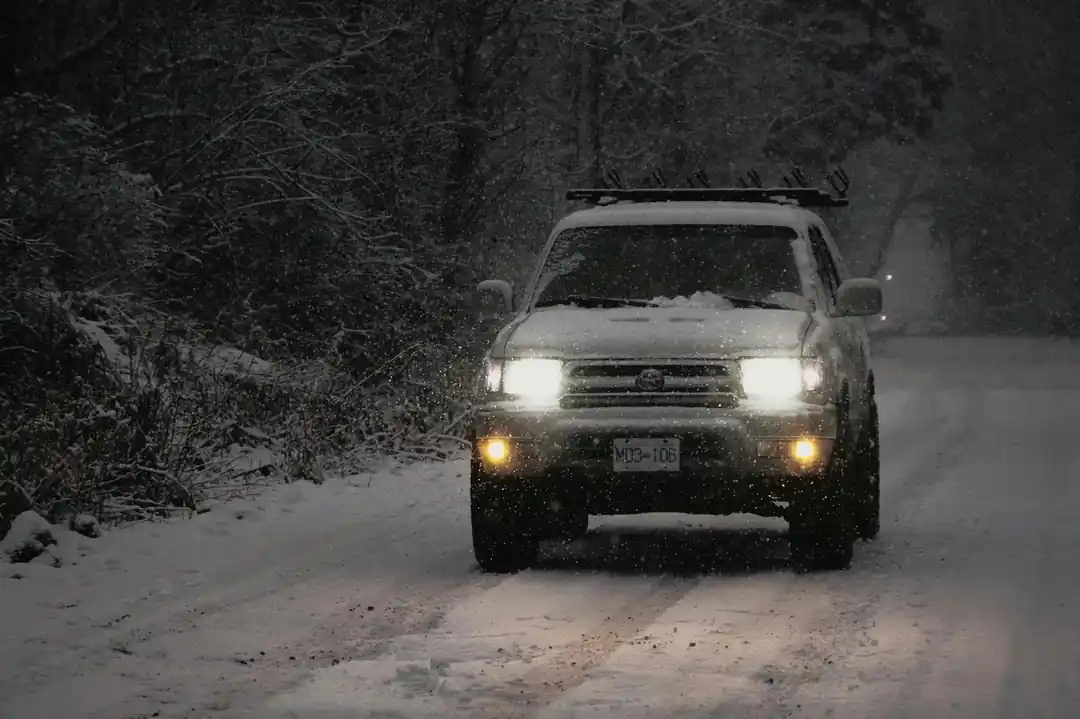
Instantly take your foot off the accelerator. Do not slam on the brakes. Let the car decelerate on its own. Turn on your low-beam headlights (high beams will reflect off the snow and make it worse) and your hazard lights. This is less about you seeing and more about you being seen.
If you can still see the road lines, slow down to a crawl and dramatically increase your following distance. If you can’t see the car in front of you, you’re too close. If visibility drops to near zero, your goal is to get off the road. Look for the very next exit or a safe, wide shoulder. The most dangerous thing you can do is stop in a travel lane. If you pull over, pull as far off the road as you possibly can. Once stopped, keep your hazard lights on, but consider turning off your headlights so other drivers aren't tempted to follow you off the road. Stay in your vehicle with your seatbelt on and wait for the squall to pass. It will.
Preparing for a snow squall is about respecting the immense power of nature. It’s about understanding that a few minutes of preparation can save you from hours of misery, or worse. It’s a quiet act of responsibility to yourself, your passengers, and the other drivers on the road. Stay warm, stay safe, and may your winter travels be uneventful.

Stay in the Game: The Unsung Exercises That Prevent Football's Most Common Injuries
From Passion Project to Paycheck: Securing Funds for Your Craft Beverage Dream

Related Posts
 HOBBIES
The Beginner's Guide to Reading the Night Sky: How to Spot Your First Constellations
A friendly, grounded guide to navigating the night sky, understanding stellar movements, and spotting iconic constellations without expensive gear.
 PETS
PETSSniffle-Free Snuggles: America's Most-Loved Hypoallergenic Dogs
Dreaming of a furry friend but dreading the sneezes? You're not alone. Let's dive into the wonderful world of popular hypoallergenic dog breeds in the US.
Popular Posts

Rethinking Non-Profit Promotion: Creative Strategies That Actually Drive Event Impact

Beyond Stark White: The Best Interior Paint Colors to Light Up Your New Space

How to Actually Master a New Language on Your Own (No Magic Gene Required)
