Beyond the Great Wall: Essential Etiquette Tips for US Travelers in China
Thinking of a trip to China? It's an incredible experience, but navigating the cultural nuances can feel daunting. Here are a few things I learned about etiquette that made my journey so much richer.
There’s a certain magic to planning a trip to China. It feels less like a vacation and more like stepping into a storybook you’ve heard about your whole life—a land of incredible history, breathtaking landscapes, and a culture that is both ancient and hyper-modern all at once. I remember feeling a mix of pure excitement and a healthy dose of “I have no idea what I’m doing” before my first visit. As an American, I’m used to a certain way of interacting, and I honestly wanted to make sure I was being a respectful guest.
What I discovered is that you don’t have to be perfect. In fact, the simple act of trying to understand and respect the local customs is what truly matters. It’s the difference between just seeing a place and actually connecting with it. These aren't rigid rules you have to memorize, but more like a friendly guide to help you navigate social situations with a bit more grace and confidence. It’s about showing you care, and in return, you’ll find that doors (and hearts) open in ways you never expected.
The First Hello: Greetings and the Concept of "Face"
First impressions in China are often quieter and more observant than what we might be used to back in the States. While a firm, enthusiastic handshake is standard practice for us, a gentler handshake is more common in China. Sometimes, a simple nod is enough, especially when greeting someone older or more senior than you. It’s a small adjustment, but it immediately sets a tone of respect and humility, which is deeply appreciated.
Now, let’s talk about something you’ll hear about a lot: "giving face" (给面子, gěi miànzi). This concept is one of the most important pillars of Chinese culture. "Face" represents a person's reputation, dignity, and social standing. The goal is to always make others feel respected and to avoid causing anyone embarrassment. This means you should try to avoid publicly correcting someone, pointing out their mistakes, or having a direct confrontation. For Americans who are often taught to be direct and “speak our minds,” this can be a real shift. Communication is often more indirect, and learning to read between the lines is a valuable skill.
When you're introduced to someone, it's best to use their title and family name. For example, "Mr. Wang" or "Director Chen." Remember that in China, the family name comes first. It might feel a bit formal, but jumping to a first name too quickly can be seen as overly familiar. You might also find that people ask questions that we’d consider quite personal—about your age, your job, or whether you’re married. It’s usually not meant to be intrusive; it’s a way of finding common ground and showing interest in getting to know you.
A Seat at the Table: The Art of Dining
Dining in China is a wonderful, communal affair. Forget individual plates; get ready to share a dazzling array of dishes placed in the center of the table. But before you dive in, there are a few things to keep in mind. Seating is often symbolic. Your host will usually show you where to sit, with the seat of honor (typically the one facing the door) reserved for the most important guest. Don't just grab any chair; waiting to be seated is a sign of respect.
The meal doesn't begin until the host gives the signal, which might be a small toast or simply the act of picking up their own chopsticks. When it comes to using chopsticks, there are a few key rules. The biggest taboo is sticking them upright in your rice bowl—it looks like incense offered at a funeral and is considered very bad luck. Also, try not to use them to point at people or dishes, and don't tap them on the side of your bowl. It's all about treating the meal and the tools with a certain reverence.
Toasting is a huge part of formal meals and a great way to show goodwill. If someone toasts you, it's polite to raise your glass, make eye contact, and take a sip. When you clink glasses with someone who is your senior in age or status, it's a gesture of respect to lower the rim of your glass slightly below theirs. And here’s a tip that goes against everything our parents taught us: it’s often polite to leave a little bit of food on your plate. A clean plate can imply that your host didn't provide enough food and you're still hungry!

More Than Just an Object: The Nuance of Gift-Giving
If you're invited to someone's home, bringing a small gift is a wonderful gesture. But even this has its own beautiful ritual. When you give or receive a gift, always use both hands. This simple act conveys respect and sincerity. Don't be surprised if your host initially refuses the gift, maybe even two or three times. This isn't a rejection; it's a polite custom to show that they are not greedy. You should gently insist, and they will eventually accept with gratitude.
The symbolism of the gift itself is also very important. Certain items are considered taboo. For example, never give a clock, because the phrase "to give a clock" (送钟, sòng zhōng) sounds exactly like the phrase for attending a funeral. Similarly, umbrellas and sharp objects like knives are thought to symbolize the severing of a relationship. Colors matter, too. Red and gold are fantastic choices for wrapping paper as they symbolize luck and wealth, while white and black should be avoided as they are associated with mourning.
So, what makes a good gift? A high-quality souvenir from your home state, a nice bottle of wine, or a beautiful box of chocolates are all safe and appreciated choices. When you receive a gift, the custom is to set it aside and open it later in private. Opening it on the spot can make it seem like you are more interested in the material object than the gesture of kindness behind it.
Ultimately, traveling in China is about so much more than just seeing the sights. It’s about the people you meet and the connections you make. Don’t be afraid of making a mistake; your genuine effort to be respectful will be far more memorable than any minor slip-up. Embrace the differences, ask questions with a humble heart, and let yourself be swept away by the incredible warmth and depth of this amazing culture. You’ll come home with more than just photos—you’ll come home with stories.
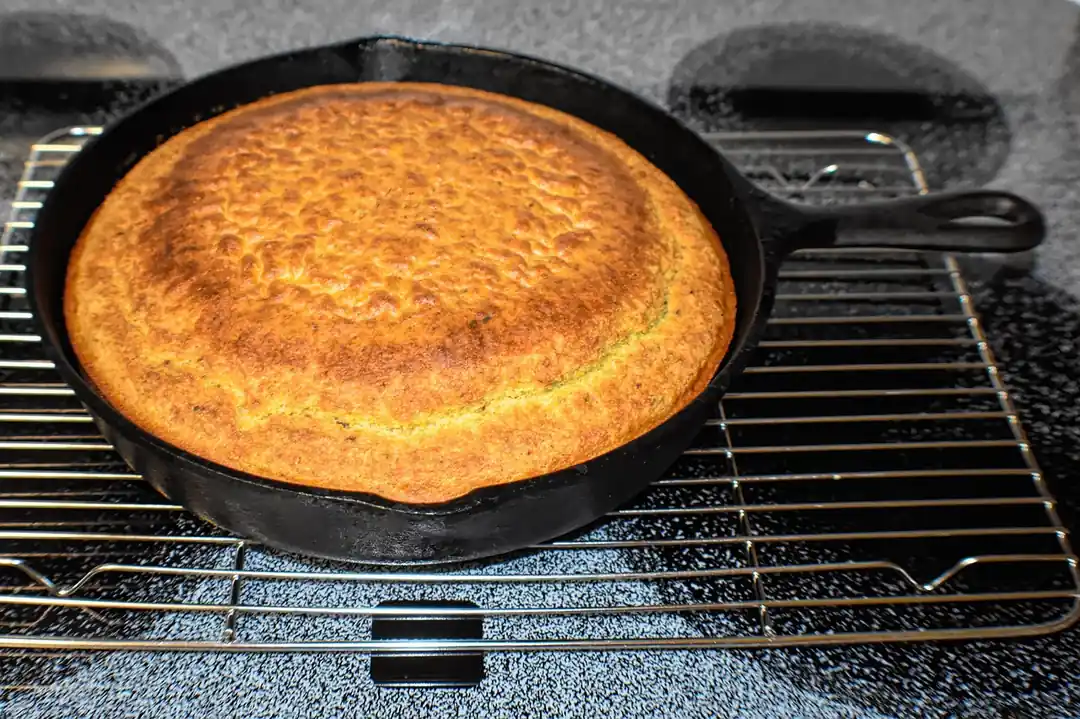
A Plate Full of Luck: Unpacking the Most Delicious New Year's Day Food Traditions
Faking It? The Deep Divide Between Munchausen Syndrome and Malingering

Related Posts
 TRANSPORT
Beyond the Highway: Finding Canada's Soul on a Western Rail Adventure
Forget road trips. I'm talking about rediscovering the romance of travel on Via Rail's most scenic routes through the heart of the Canadian West. It’s an experience that changes you.
 TRAVEL TIPS
The Unwritten Rules of the North: What to Know Before Camping in Canada
Heading to the Great White North for a camping trip? It's an amazing idea. But from campfire etiquette to wildlife wisdom, here’s what you need to know before you go.

Popular Posts

Rethinking Non-Profit Promotion: Creative Strategies That Actually Drive Event Impact

Beyond Stark White: The Best Interior Paint Colors to Light Up Your New Space

How to Actually Master a New Language on Your Own (No Magic Gene Required)
