Dreaming of Provence and the French Riviera? I used to think renting a car was the only way. Here’s why I was wrong, and how you can unlock a more magical, stress-free vacation by embracing the rails.
There’s a certain kind of magic that’s exclusive to European train travel. It’s a feeling I thought I understood, but it wasn’t until I was gazing out at the shimmering Mediterranean, a flaky croissant in hand, that it truly clicked. For years, my American mindset equated travel with road trips—the freedom of the open road, the spontaneity of a sudden detour. But in the South of France, I discovered that true freedom wasn't found behind the wheel of a rental car, but in a comfortable seat on an SNCF train.
Honestly, the idea of navigating narrow village streets, deciphering foreign road signs, and the endless hunt for parking in centuries-old towns filled me with a low-key dread. I wanted my vacation to be about soaking in the lavender fields and turquoise waters, not stressing over traffic circles. A friend who’d studied in Aix-en-Provence gave me the advice that changed my trip: "Just take the train. Seriously. It’s what everyone does." She was right. It’s not just a mode of transport; it’s a core part of the lifestyle, and embracing it was the best decision I made.
This isn’t just about convenience; it’s about the experience itself. The journey becomes a seamless part of the adventure, a moment to breathe, to read, to plan your next meal, or to simply watch the incredible scenery unfold. From the glamorous coastline of the Côte d'Azur to the rustic heart of Provence, the train network connects it all with a beautiful efficiency that feels both modern and timeless. It’s your ticket to a more relaxed, authentic, and frankly, more enjoyable South of France.
Decoding the French Train System: TGV vs. TER
At first glance, the French train system can seem a little complex with its alphabet soup of acronyms, but it’s actually quite simple once you know the two main players. Think of it as the difference between a cross-country flight and a local bus, but with way more charm.
First, you have the TGV (Train à Grande Vitesse). This is France’s famous high-speed train, the bullet that shrinks the country. These are the trains you’ll use for long-haul journeys, like getting from Paris down to Marseille or Avignon in just a few hours. They are sleek, modern, and incredibly fast, often reaching speeds over 180 mph. Booking a TGV is like booking a flight: you need a reservation for a specific seat on a specific train, and prices vary wildly depending on how far in advance you book. For a TGV, planning is your best friend for getting a good price.
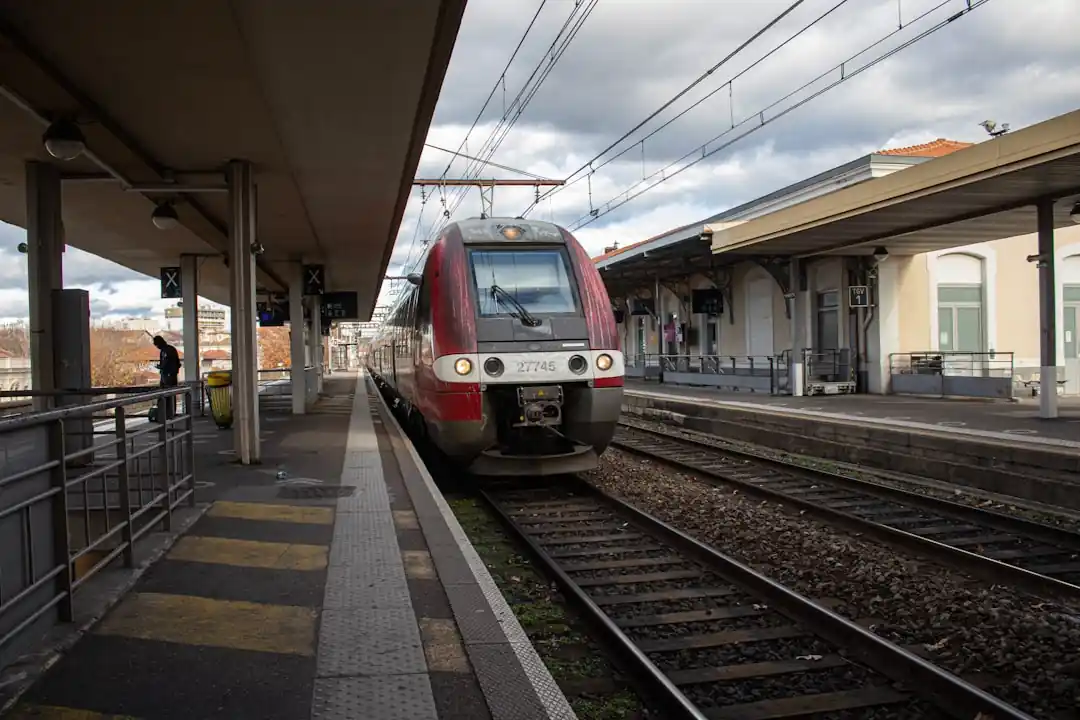
Then you have the TER (Train Express Régional). These are the real workhorses of regional travel and will become your best friend for exploring the South of France. TER trains are the local and regional services that connect smaller towns and cities. They are slower than the TGV, making more frequent stops, which is exactly what you want for day-tripping. Think of them as commuter trains. There are no seat reservations—you buy a ticket for a specific route, and you can take any train that day. It offers incredible flexibility. If you fall in love with a little village and want to stay for another hour, you just hop on the next TER. It’s this network that truly unlocks the region, allowing you to spontaneously explore places like Antibes, Èze, or Arles from a home base like Nice or Avignon.
Your Step-by-Step Guide to Booking and Riding
Navigating the booking process is surprisingly straightforward, even if your French is a little rusty. The official website and app for the French national railway is SNCF Connect. It’s available in English and is your one-stop-shop for checking schedules and buying tickets for both TGV and TER trains. I highly recommend downloading the app before your trip. You can store your tickets digitally (they call them "e-billets"), which saves you the hassle of printing anything.
For day trips on TER trains, you can often just buy your ticket at the station from a ticket machine (billetterie automatique) right before you travel. The machines have an English language option. However, one crucial step that catches many tourists off guard is the concept of compostage, or validating your physical ticket. If you have a little paper ticket, you MUST validate it in one of the small yellow or red machines at the entrance to the platform before you board. Failure to do so can result in a hefty fine. (This is another reason why digital tickets on the app are so much easier—they don't require validation!)
Once you're on the platform, finding your train is easy. The departure boards (Affichage des départs) will show your train's destination, time, and most importantly, the platform number (voie). For TGVs, the board will also show the carriage (voiture) numbers and where they will stop along the platform, so you can wait in the right spot. It’s all remarkably organized. Just give yourself about 15-20 minutes at the station before departure, and you’ll feel like a seasoned pro.
The Coastal Route: A Journey You Can't Miss
If there is one train journey you absolutely must take, it’s the coastal TER line that snakes along the French Riviera. The stretch from Marseille to Monaco is, without exaggeration, one of the most beautiful train rides in the world. For a surprisingly low price, you get a front-row seat to a panorama of sparkling turquoise water, hidden coves, and glamorous seaside villas. It’s a view that no car, stuck on the motorway further inland, could ever hope to match.
The best part is the freedom it gives you. You can base yourself in a city like Nice and spend a week making effortless day trips. Hop on the train for 20 minutes to explore the medieval charm of Antibes and its Picasso Museum. Go a little further to Cannes and walk the famous Croisette. Or head in the other direction to the hilltop village of Èze (a short bus ride up from the Èze-sur-Mer station) for breathtaking views. Each stop is a new adventure, and the train is your key.
A pro tip I learned from a local: for the best views traveling east from Nice towards Italy, try to get a seat on the right side of the train. The tracks hug the coast, and you'll be treated to uninterrupted sea views for much of the journey. It’s these little moments—watching the sun glitter on the water as you pull into a new, beautiful town—that will stay with you long after you’ve returned home.
This is the real South of France. It’s not about rushing from one tourist spot to the next. It’s about the moments in between. It’s about slowing down, looking out the window, and letting the beauty of the journey become as memorable as the destination itself. So please, do yourself a favor on your next trip: skip the car rental counter and head straight for the gare. You won’t regret it.
A Pilgrim's Guide to Independence Hall and the Liberty Bell
A Beginner's Guide to Shopping at a French Farmers' Market
Related Posts
 TRANSPORT
Beyond the Highway: Finding Canada's Soul on a Western Rail Adventure
Forget road trips. I'm talking about rediscovering the romance of travel on Via Rail's most scenic routes through the heart of the Canadian West. It’s an experience that changes you.
 TRAVEL TIPS
The Unwritten Rules of the North: What to Know Before Camping in Canada
Heading to the Great White North for a camping trip? It's an amazing idea. But from campfire etiquette to wildlife wisdom, here’s what you need to know before you go.

Popular Posts

Rethinking Non-Profit Promotion: Creative Strategies That Actually Drive Event Impact

Beyond Stark White: The Best Interior Paint Colors to Light Up Your New Space

How to Actually Master a New Language on Your Own (No Magic Gene Required)