More Than Command: The Unseen Skills Forged on the Path to Admiral
It’s more than just strategy and tactics. The journey to the highest ranks of naval leadership is a masterclass in character, foresight, and profound human connection.
There's a certain weight to the title "Admiral." It conjures images of a steady hand on the helm of a massive naval force, a mind capable of navigating the intricate chessboard of global geopolitics. We see the crisp white uniform, the rows of ribbons, and the stars on the shoulder, and we assume a mastery of strategy and command. And while that’s true, it’s only a fraction of the story. The path to that pinnacle of leadership is less a climb up a ladder and more a forging in a crucible, one that shapes not just a commander, but a diplomat, a mentor, and a visionary.
I recently fell down a rabbit hole trying to understand what really separates a captain from an admiral, beyond the obvious increase in scope and responsibility. What I found was a profound emphasis on skills that are rarely seen on a battlefield but are exercised every single day in the corridors of power, in tense diplomatic meetings, and in the quiet moments of mentorship. It’s a journey that demands a transition from tactical execution to strategic foresight, from managing a crew to inspiring a generation of sailors.
Honestly, it’s a fascinating study in leadership that has applications far beyond the military. It’s about how to prepare for a level of responsibility that seems almost unimaginable and how to cultivate the wisdom to wield that power effectively.
Strategic Acumen: Seeing Beyond the Horizon
The most significant leap for an aspiring admiral is the shift from the tactical to the strategic. A ship's captain is an expert in winning a battle; an admiral must be an expert in winning the war, which often means knowing which battles not to fight. This requires a deep, almost intuitive understanding of geopolitics, global economics, and cultural nuances. It’s about seeing the entire board, not just the next move. I read a piece from the U.S. Naval Institute that stressed this exact point—that senior leaders must be able to synthesize information from countless sources to anticipate challenges months, or even years, in advance.
This isn't a skill you simply learn from a textbook. It's cultivated over decades of service, through diverse assignments that force a broader perspective. An officer might serve as a naval attaché in a foreign embassy, work on policy at the Pentagon, or attend the Naval War College. Each of these experiences adds another layer to their understanding, teaching them to see the world not just as a series of potential conflicts, but as a complex web of interconnected interests.
Think about the pressure of that. An admiral's recommendation to deploy a carrier strike group to a global hotspot can alter international relations in an instant. That decision has to be based on a sophisticated analysis of the potential second- and third-order effects. It’s a level of foresight that demands constant learning and an insatiable curiosity about the world.
Decisive Leadership Under Immense Pressure
While strategic thinking is about the long game, an admiral must also be capable of making hard decisions in the blink of an eye. When a crisis erupts, there is no time for committee meetings or lengthy deliberation. The lives of sailors and the security of the nation can hang in the balance. This is where character and experience converge. A leader who has faced down threats on the bridge of a destroyer or managed a complex humanitarian mission has built up a reservoir of resilience and judgment that they can draw upon when the stakes are highest.
This decisiveness isn't about being reckless; it's about clarity of thought when surrounded by chaos. It’s the ability to filter out the noise, identify the critical variables, and commit to a course of action with confidence. This is a quality that is tested and proven time and again throughout an officer's career. Every command tour is, in essence, a test of this very trait.
I found it interesting that many retired admirals, when speaking about their careers, don't just talk about the big, history-making decisions. They often talk about the smaller, personnel-related choices that had a huge impact on their command's morale and effectiveness. It’s a reminder that decisive leadership applies to people just as much as it does to operations. Deciding to trust a subordinate with a difficult task, or making a tough call about someone's career, requires the same clarity and courage.
The Master of Mentorship: Cultivating Future Leaders
Perhaps the most surprising, and frankly, the most inspiring skill that defines the path to admiral is a deep-seated commitment to mentorship. You cannot reach that level of leadership without having a proven track record of identifying and developing talent. An admiral's true legacy is not just in the missions they accomplished, but in the quality of the leaders they leave behind.
This goes far beyond simple performance reviews. It’s about taking a genuine interest in the careers of junior officers and enlisted personnel. It’s about providing honest feedback, creating opportunities for growth, and modeling the very behavior you expect from them. In the Navy, this is a core leadership principle: "Know your people and look out for their welfare." At the admiral level, this principle is applied on a massive scale. They are responsible for the health of the entire naval profession.
This focus on people is what builds the trust and loyalty necessary to lead an all-volunteer force. When sailors know that their leaders, all the way up to the admirals, are invested in their success, they are more willing to make the incredible sacrifices that naval service demands. It transforms a job into a calling. An admiral who can connect with a young ensign and an experienced master chief with the same authenticity is a leader who understands the human heart of the Navy.
The journey to becoming an admiral is a marathon, not a sprint. It is a relentless pursuit of excellence, not just in the arts of war, but in the art of leadership itself. It demands a unique blend of intellectual rigor, moral courage, and a profound sense of duty to the men and women who serve. It’s a path that reminds us that the greatest leaders don’t just command respect; they earn it through a lifetime of service, learning, and an unwavering commitment to their people.
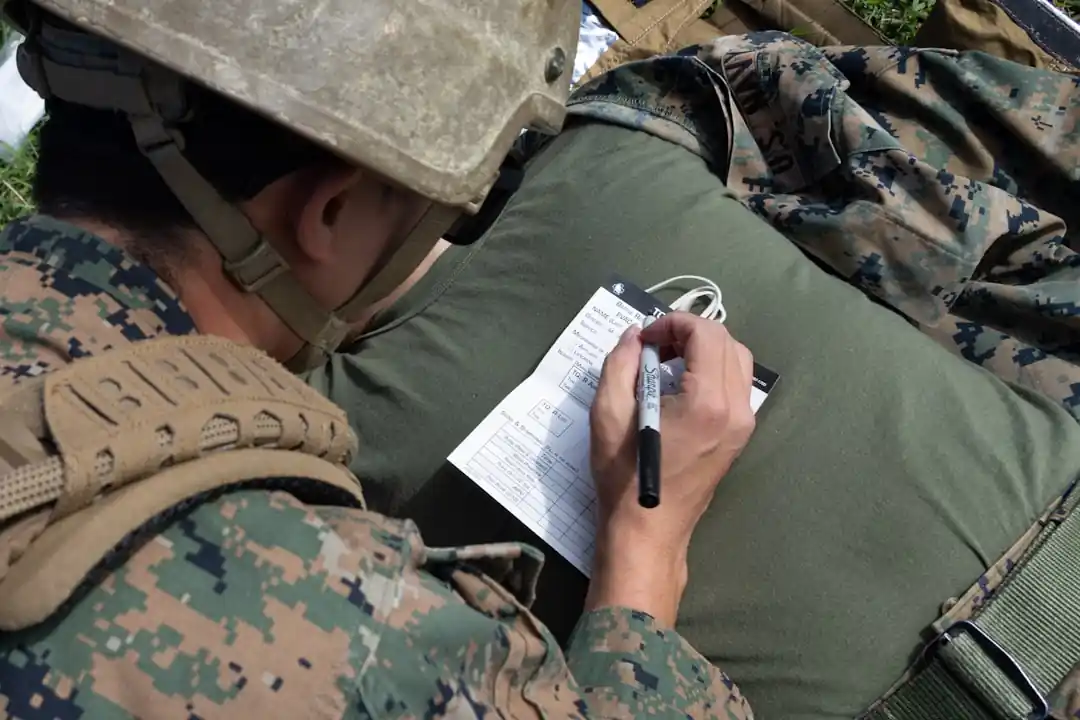
Beyond the Board: A Modern Officer's Guide to Promotion Prep
The Unwavering Path: What It Really Takes to Become a US Navy Admiral
Related Posts
 LANGUAGES
How to Actually Master a New Language on Your Own (No Magic Gene Required)
Discover research-backed self-study strategies to break through fluency plateaus, build real confidence, and learn a new language on your own terms.
 STUDY TIPS
Your Unshakeable Foundation: Understanding the Most Important Legal Rights for US Citizens
Ever wonder what truly protects you as a American citizen? Let's dive into the fundamental legal rights that form the bedrock of our society, making sure you know your power.

Popular Posts

Rethinking Non-Profit Promotion: Creative Strategies That Actually Drive Event Impact

Beyond Stark White: The Best Interior Paint Colors to Light Up Your New Space
How to Actually Master a New Language on Your Own (No Magic Gene Required)
