Tired of wondering when to plant your veggies? Let's walk through creating a simple, season-by-season gardening calendar that works for your specific climate.
There’s a certain magic that happens in late winter. The seed catalogs start arriving, their glossy pages filled with vibrant pictures of perfect tomatoes and crisp lettuces, and suddenly, the quiet, frozen landscape outside my window doesn’t seem so permanent. The dream of a summer garden begins to take root. But if you’re anything like me, that initial excitement can quickly turn into a wave of questions. When do I actually plant these things? If I put my kale in too late, will it bolt? Is it too early for peppers?
Honestly, for years, my gardening approach was a bit… chaotic. I’d buy seedlings based on what looked good at the nursery, stick them in the ground, and hope for the best. Sometimes it worked out; other times, it was a leafy, tragic failure. The game changed completely when I stopped guessing and started planning. Creating a seasonal gardening schedule isn't about rigid rules and taking the fun out of it. It’s about understanding the rhythm of the seasons in your specific corner of the world and partnering with it. It’s the difference between fighting nature and flowing with it.
So, let’s demystify the process. Forget the confusion. We’re going to walk through building a simple, effective vegetable gardening schedule that will give you the confidence to grow, and the satisfaction of a harvest that lasts nearly all year long.
Know Your Zone: Climate is Everything
Before a single seed is purchased, the most crucial step is to get intimately familiar with your local climate. It sounds technical, but it’s actually quite simple. The single most valuable tool for any gardener in the United States is the USDA Plant Hardiness Zone Map. This map divides the country into zones based on the average coldest winter temperatures. Why does this matter? Because it tells you which plants can survive the winter in your backyard (perennials) and, more importantly for our veggies, it helps determine your frost dates.
Your "last spring frost date" and "first fall frost date" are the two most important dates on your gardening calendar. The period between them is your growing season. The last spring frost is the average date when it’s considered safe to plant tender, warm-weather-loving vegetables outside without fear of them being zapped by a late freeze. The first fall frost is when you can expect the cold to return and end the season for those same plants. You can easily find your specific dates by searching online for "[Your City] frost dates."
These dates are your anchors. Everything we plant will be timed either before, after, or in relation to them. It’s the foundation upon which your entire schedule is built. Trying to grow tomatoes a month before your last frost date is a recipe for heartache, while waiting too long to plant your fall spinach means it might not mature before the deep cold sets in. Understanding this simple timeline is the first, and most important, step toward a successful garden.
The Main Characters: Cool-Season vs. Warm-Season Crops
Once you know your climate’s timeline, the next step is to understand your players. Vegetables generally fall into two main categories: cool-season and warm-season. Thinking about them in these two groups simplifies planning immensely.
Cool-season crops are the tough guys of the garden. They not only tolerate a light frost, but their flavor often improves with a little chill. These are the first plants you’ll welcome into your garden in the spring and the last ones you’ll be harvesting in the fall. Think of leafy greens like lettuce, spinach, and kale. Root vegetables like carrots, radishes, and beets also fall into this category, as do members of the brassica family, such as broccoli, cauliflower, and cabbage. They thrive in the moderate temperatures of spring and fall and tend to struggle or "bolt" (flower prematurely) in the intense heat of mid-summer.
Warm-season crops, on the other hand, are the sunbathers. They crave heat and long sunny days. These are the quintessential summer vegetables that we all dream about. This group includes tomatoes, peppers, cucumbers, squash (both summer and winter varieties), corn, and beans. They are extremely sensitive to frost and will be severely damaged or killed by cold temperatures. You absolutely cannot plant them outdoors until all danger of frost has passed, and they are the plants that define the peak of summer gardening. By dividing your vegetable wish list into these two simple teams, you can start to see how the puzzle of your garden year comes together.
Your Four-Act Play: A Season-by-Season Schedule
With your frost dates and your crop types in hand, you can now build your schedule. Think of the gardening year as a four-act play.
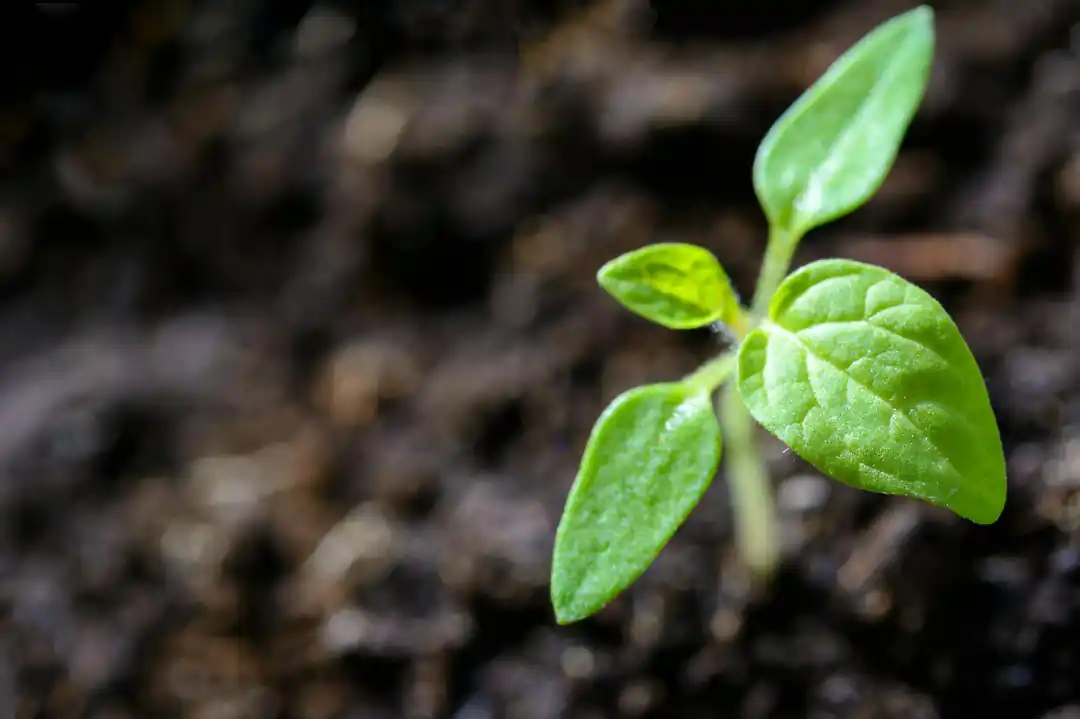
Act 1: Late Winter/Early Spring (6-8 weeks before last frost) This is the planning and prep phase. It’s still cold outside, but the work begins indoors. This is the time to start seeds for slow-growing, warm-season crops like tomatoes, peppers, and eggplant. Giving them a head start indoors means you’ll have strong, healthy seedlings ready to go into the ground the moment the weather is right. It’s also the perfect time to direct-sow the hardiest of the cool-season crops, like spinach and peas, as soon as the soil can be worked.
Act 2: Spring (After the last frost date) The main event begins! Once your last frost date has safely passed, it’s time to transplant your warm-season seedlings into the garden. This is also the prime time to direct-sow other warm-season favorites like beans, cucumbers, and squash. Your early cool-season crops will be growing vigorously now, and you can even start a second round of them (succession planting!) for a continuous harvest before the summer heat truly kicks in.
Act 3: Summer (The peak growing season) This is the season of maintenance and abundance. Your warm-season plants will be producing heavily, so keep up with harvesting to encourage more growth. As your spring-planted cool-season crops finish up (like lettuce or radishes), don't leave that space empty! You can pop in more quick-growing warm-season crops like bush beans or herbs. In late summer, as the intense heat begins to wane, it’s time to think ahead. This is when you’ll plant seeds for your fall and winter garden—more broccoli, carrots, kale, and lettuce that will mature in the cooler autumn weather.
Act 4: Fall (As the first frost approaches) The pace slows, but the harvest continues. You’ll be enjoying the fruits of your late-summer plantings. Many of your cool-season crops will taste even sweeter after a light frost. As your warm-season plants finally succumb to the cold, it’s time to clean up the garden beds, amend the soil with compost, and perhaps plant a cover crop like clover to protect and enrich the soil over the winter. This final act sets the stage for an even better garden next year.
This cycle isn't just a schedule; it's a conversation with the land. It’s about paying attention, learning from year to year, and finding a rhythm that works for you. There’s no greater feeling than walking out to your garden in almost any season and knowing you can pick something fresh for dinner. It’s a connection to our food and to the seasons that is deeply, wonderfully human.

The Secret Weapon to Puppy Potty Training? It's Probably on Your Phone
The Unlikely Tool That Transformed My Knitting: Why You Should Time Your Stitches
Related Posts
 HOBBIES
The Beginner's Guide to Reading the Night Sky: How to Spot Your First Constellations
A friendly, grounded guide to navigating the night sky, understanding stellar movements, and spotting iconic constellations without expensive gear.
 PETS
PETSSniffle-Free Snuggles: America's Most-Loved Hypoallergenic Dogs
Dreaming of a furry friend but dreading the sneezes? You're not alone. Let's dive into the wonderful world of popular hypoallergenic dog breeds in the US.
Popular Posts

Rethinking Non-Profit Promotion: Creative Strategies That Actually Drive Event Impact

Beyond Stark White: The Best Interior Paint Colors to Light Up Your New Space

How to Actually Master a New Language on Your Own (No Magic Gene Required)
