Ever wonder how some athletes seem to defy time? It’s not magic. It’s a smarter, more sustainable approach to training that prioritizes longevity over short-term gains.
There’s a certain reverence we have for athletes who manage to play at a high level for not just years, but decades. Think of legends like Tom Brady, Serena Williams, or LeBron James. It feels like they’ve discovered some fountain of youth, a secret that allows them to compete against players half their age and still come out on top. We often attribute it to sheer talent or genetic luck, but honestly, that’s only a tiny piece of the puzzle. The real magic lies in the evolution of their training—a shift away from the old-school, "no pain, no gain" mentality to a sophisticated, intelligent approach focused on one thing: longevity.
This isn't just a conversation for the pros. It’s for the weekend warrior who wants to keep playing pickup basketball without their knees aching for three days after. It’s for the marathon runner who wants to be setting personal bests in their 40s and 50s. It’s for anyone who loves the feeling of moving their body and wants to do so with strength and without chronic injury for as long as possible. The goal is to reframe our thinking. Instead of asking, "How much can I destroy myself in the gym today?" we should be asking, "What can I do today to make sure I’m strong and ready to train again tomorrow?"
It’s a profound shift, moving from a mindset of expense to one of investment. Every smart training session, every proper recovery day, every nutritious meal is a deposit into the bank account of your physical future. It’s about building a body that’s not just powerful and fast, but resilient and adaptable.
Beyond the Grind: The New Pillars of Performance
For years, the prevailing wisdom was that more is always better. More hours in the gym, more miles on the road, more reps on the bar. We now know this is a direct path to burnout, overtraining, and career-ending injuries. The modern approach to athletic longevity is built on a foundation of working smarter, not just harder. It’s about understanding the delicate balance between stress and rest, and recognizing that the gains you seek happen during recovery, not just during the workout itself.
One of the most significant shifts has been the widespread adoption of polarized training. Popularized by exercise physiologist Stephen Seiler, this model suggests that athletes should spend about 80% of their training time at a low intensity (think conversational pace) and only 20% at a high intensity. This might sound counterintuitive, but the research is compelling. The vast majority of time spent at low intensity builds a massive aerobic base, improves efficiency, and allows the body to recover, all while minimizing the physiological stress that leads to overtraining. That hard 20% is then incredibly effective because you’re fresh enough to push your limits and truly stimulate adaptation.
This philosophy extends to every facet of training. It’s about seeing the body as a holistic system where every part affects the whole. You can’t just focus on your sport-specific skills and ignore the foundational elements that support them. Neglecting these pillars is like building a skyscraper on a foundation of sand—it might look impressive for a while, but it’s destined to crumble.
Strength Training as Your Body's Armor
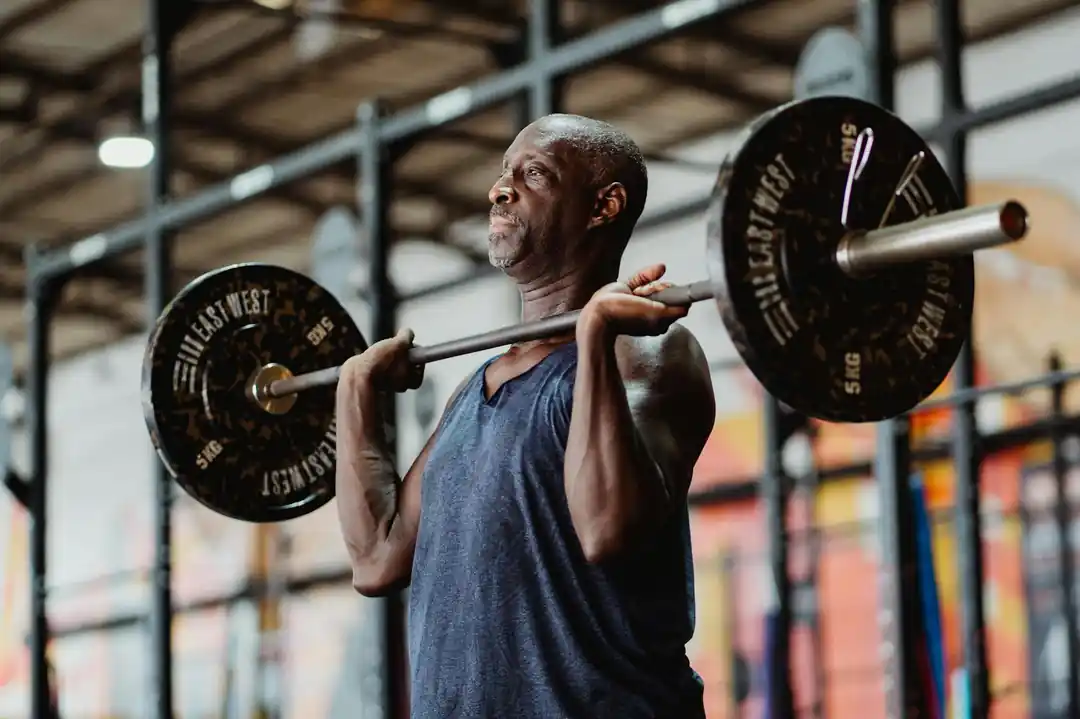
If there's one non-negotiable for athletic longevity, it's a consistent and intelligent strength training program. Strong muscles are not just for show; they are the primary shock absorbers for your joints. Every time you run, jump, or cut, your muscles dissipate the forces that would otherwise go straight into your cartilage, ligaments, and bones. A well-designed strength program is quite literally like building a suit of armor for your body.
The focus should be on functional, compound movements that mimic the demands of your sport and of life. Squats, deadlifts, lunges, presses, and rows build a powerful and integrated system. However, longevity requires a more nuanced approach than simply lifting as heavy as possible. Incorporating eccentric training—focusing on the lowering phase of a lift—has been shown to be incredibly effective at building tendon strength and resilience, which is critical for preventing common injuries like tendonitis.
Furthermore, as we age, we naturally lose muscle mass in a process called sarcopenia. A dedicated strength routine is the single most effective tool we have to combat this decline. It not only preserves the muscle that keeps us strong and powerful but also helps maintain bone density, boosts metabolism, and improves insulin sensitivity. It’s not just about being a better athlete; it’s about being a healthier human.
The Unsung Hero: Recovery and Mobility
You can have the most perfectly designed training plan in the world, but if you don't respect recovery, you will eventually break down. Recovery is not a passive activity or a sign of weakness; it is an active and essential part of the training process. This is when your body repairs damaged muscle tissue, replenishes its energy stores, and makes the adaptations that make you stronger and more resilient.
Sleep is the undisputed king of recovery. During deep sleep, your body releases growth hormone, which is essential for tissue repair. Skimping on sleep is like asking a construction crew to build a house without giving them any materials. Most athletes, even recreational ones, need a solid 8-9 hours per night to truly recover from their training load. Nutrition is the other half of this equation. Providing your body with high-quality protein to repair muscle, complex carbohydrates to refuel, and healthy fats to manage inflammation is non-negotiable.
Finally, don't underestimate the power of mobility. This isn't just about being able to touch your toes. Mobility is about having active, usable range of motion through your joints. When you lack mobility in one area (say, your hips), your body will compensate by seeking that range of motion elsewhere (often the lower back or knees), which is a classic recipe for injury. A consistent routine of dynamic stretching, foam rolling, and perhaps yoga or Pilates can be the secret weapon that keeps you moving freely and pain-free for years to come. It’s the oil that keeps the engine running smoothly, ensuring that all that strength and power can be expressed efficiently and safely.

Keeping Young Athletes in the Game: A Parent's Guide to Injury Prevention
A Local's Guide to Navigating the Twin Cities by Public Transit

Related Posts
 NUTRITION
The Simple Pre-Workout Fueling Strategy That Saved My Long Runs
Discover how timing your carbohydrates and embracing simple foods can eliminate mid-workout fatigue and unlock your true endurance potential.
 FITNESS
No Gym, No Problem: The Ultimate Guide to Bodyweight Fitness at Home
Forget expensive memberships. Discover how to build serious strength and transform your body using the most powerful tool you already own: yourself.

Popular Posts

Rethinking Non-Profit Promotion: Creative Strategies That Actually Drive Event Impact

Beyond Stark White: The Best Interior Paint Colors to Light Up Your New Space
The Simple Pre-Workout Fueling Strategy That Saved My Long Runs