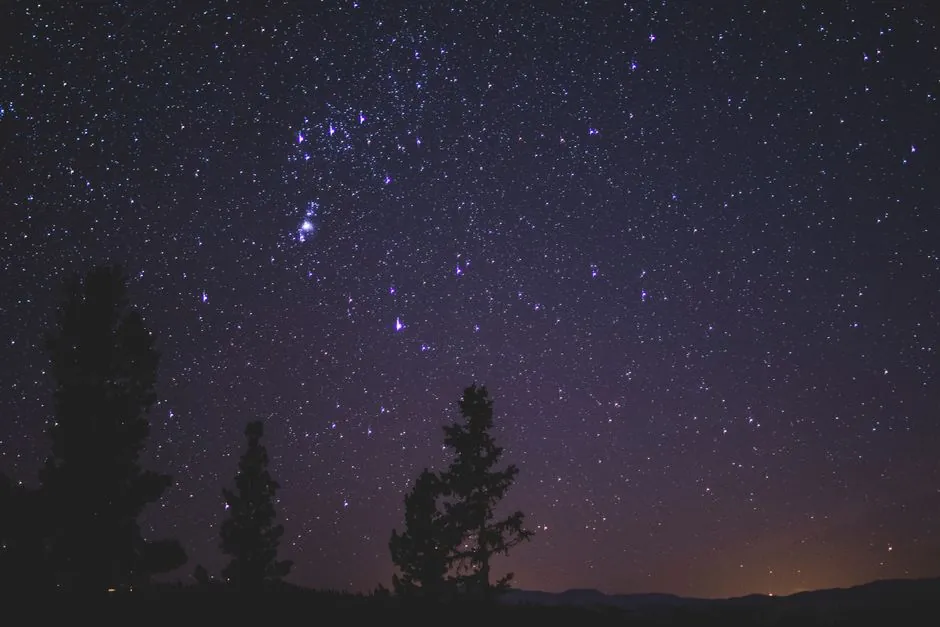
Into the Quiet: A Real-Talk Guide to Safety in Remote Locations
There's a magnetic pull to the world's untouched corners. But before you answer the call, let's talk about how to do it safely. This is about making your adventure memorable for all the right reasons.
There’s a certain kind of magic that only exists in isolation. It’s in the profound silence of a desert at dawn, the humbling scale of a mountain range untouched by roads, or the deep, star-dusted black of a sky free from city lights. I’ve chased that magic across the globe, from the empty plains of the American West to the quiet fjords of the north. It’s an addiction, really—the pursuit of places that make you feel both infinitesimally small and wholly connected to the world.
But here’s the thing they don’t always show in the breathtaking Instagram photos: remote beauty comes with inherent risks. The very things that make these locations so alluring—their distance from civilization, their raw and untamed nature—are also what make them potentially dangerous. I learned this the hard way years ago on what was supposed to be a simple solo hike. A sudden weather change, a poorly-judged turn, and a sprained ankle later, I was faced with the sobering reality of my own lack of preparation. It was a wake-up call.
Since then, I’ve approached remote travel with a different mindset. It’s not about fearing the wilderness, but about respecting it. It’s about understanding that true freedom in these wild places comes from a foundation of smart, deliberate preparation. So, let’s get into the nitty-gritty of what it actually takes to explore these incredible, isolated locations safely and responsibly.
The Unsexy but Crucial Art of Planning
The most important part of any remote adventure happens long before you lace up your boots. It’s the planning phase, and honestly, it’s the bedrock of your safety. Start by becoming a student of your destination. This means going beyond a quick Google search. Dive into topographic maps, read reports from recent travelers on forums, and check official sources like park service websites for alerts on weather, trail conditions, or wildlife activity. Knowing the specific challenges—Is there a reliable water source? Is it flash flood season? Are local predators particularly active?—is your first line of defense.
Once you have a solid plan, the single most critical safety step is to share it. Send a detailed itinerary to at least two trusted contacts. This document should include your planned route, your expected start and end times, campsite locations, and a "panic button" date—a specific time and date by which, if they haven't heard from you, they should contact emergency services. I can't stress this enough: this simple act has saved countless lives. It’s your invisible safety net.
Finally, be brutally honest with yourself about your physical and technical skills. A trail described as "challenging" can mean very different things depending on the source. Don't let ego write a check your body can't cash. If you're new to navigating with a map and compass, practice in a local park first. If you've never hiked at high altitude, build up to it. Your adventure should be a challenge, not a life-threatening ordeal.
Your Lifeline: Communication in the Backcountry
In our hyper-connected world, it’s easy to assume you’ll always have a signal. In remote locations, you must assume the opposite. Your smartphone will likely become a camera and an offline map at best. Relying on it for emergency communication is a recipe for disaster. This is where specialized gear becomes not a luxury, but a necessity.
For years, the gold standard has been a Personal Locator Beacon (PLB) or a satellite messenger. A PLB is a one-trick pony, but it’s a life-saving trick: press the button, and it sends an SOS signal with your GPS coordinates to search and rescue services via satellite. There's no two-way communication, but it’s a robust, reliable option. I carried one for a long time and thankfully never had to use it.
More recently, two-way satellite messengers like the Garmin inReach series have become the tool of choice for many serious adventurers. These devices allow you to send and receive text messages, get weather forecasts, and track your route, all via satellite. Most importantly, they have that same critical SOS button. Being able to communicate the nature of your emergency (e.g., "Sprained ankle, need assistance" vs. "Major medical emergency, need immediate evac") provides invaluable information to rescuers and a profound psychological comfort to you.
Packing for Self-Sufficiency
When you're miles from the nearest road, your backpack is your world. It contains everything you need to be self-sufficient and handle minor emergencies. The "Ten Essentials" are a classic framework for a reason, but think of them as categories to expand upon based on your specific trip. This includes navigation (map, compass, and your satellite device), sun protection, insulation (extra layers, always), illumination (a headlamp with extra batteries), first-aid supplies, fire-starting materials, a repair kit, extra food, extra water (and a way to purify more), and an emergency shelter.
Let's talk about that first-aid kit. A generic, store-bought kit is a starting point, but you need to customize it. Add blister treatment (like Moleskin), a good assortment of bandages, antiseptic wipes, pain relievers, and any personal medications. I also highly recommend taking a Wilderness First Aid (WFA) course. Knowing how to properly clean a wound, splint a limb, or recognize the signs of hypothermia is a skill that's far more valuable than any piece of gear.
Your emergency shelter doesn't have to be a full tent. A lightweight bivy sack or even a heavy-duty emergency space blanket can be the difference between a miserable night and a life-threatening one if you're caught out unexpectedly. It’s about having a plan B. Always have a plan B.
Mindset is Everything
Beyond all the gear and planning, the most powerful safety tool you have is your brain. Situational awareness is paramount. Pay attention to the changing weather, the tracks on the trail, and the time. Make conservative decisions. That "shortcut" that looks good on the map might lead you through a treacherous gully. Turning back because conditions are deteriorating isn't failure; it's a mature and wise decision that ensures you can come back and hike another day.
Respect the wildlife. You are a visitor in their home. Know the proper protocols for your area, whether it's carrying bear spray and knowing how to use it, or simply giving a moose a very wide berth. Never feed wild animals. It habituates them to humans and often leads to negative encounters down the line.
Traveling to isolated places is a profound experience. It challenges you, strips away the non-essential, and connects you to the natural world in a way that few other things can. By embracing the responsibility that comes with this freedom, by preparing diligently and moving through the world with respect and awareness, you don't diminish the adventure. You enhance it, ensuring that you'll be able to answer the call of the wild for many years to come.
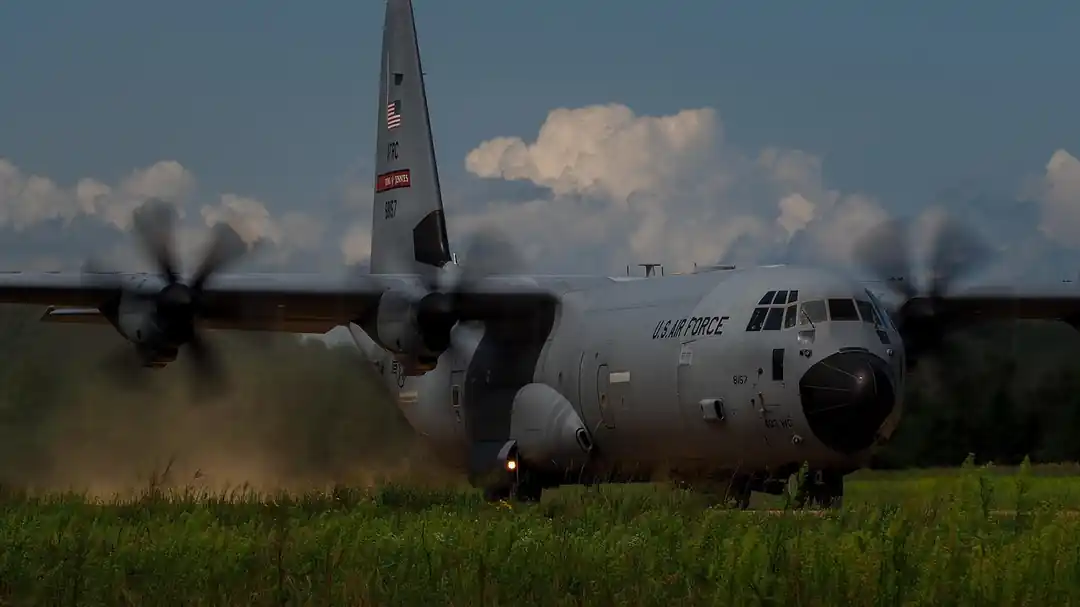
The Unseen Lifeline: How Military Planes Keep Remote Bases Running
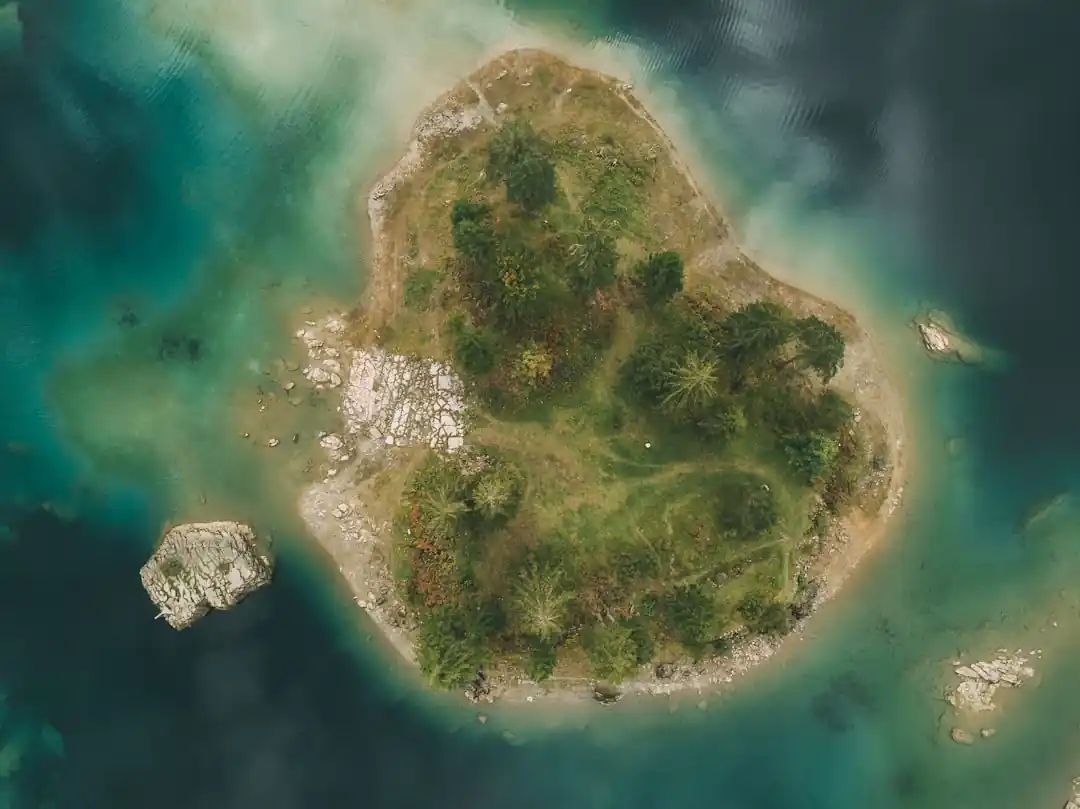
The Forbidden Island: Can You Actually Visit a Place Like Diego Garcia?
Related Posts
 TRANSPORT
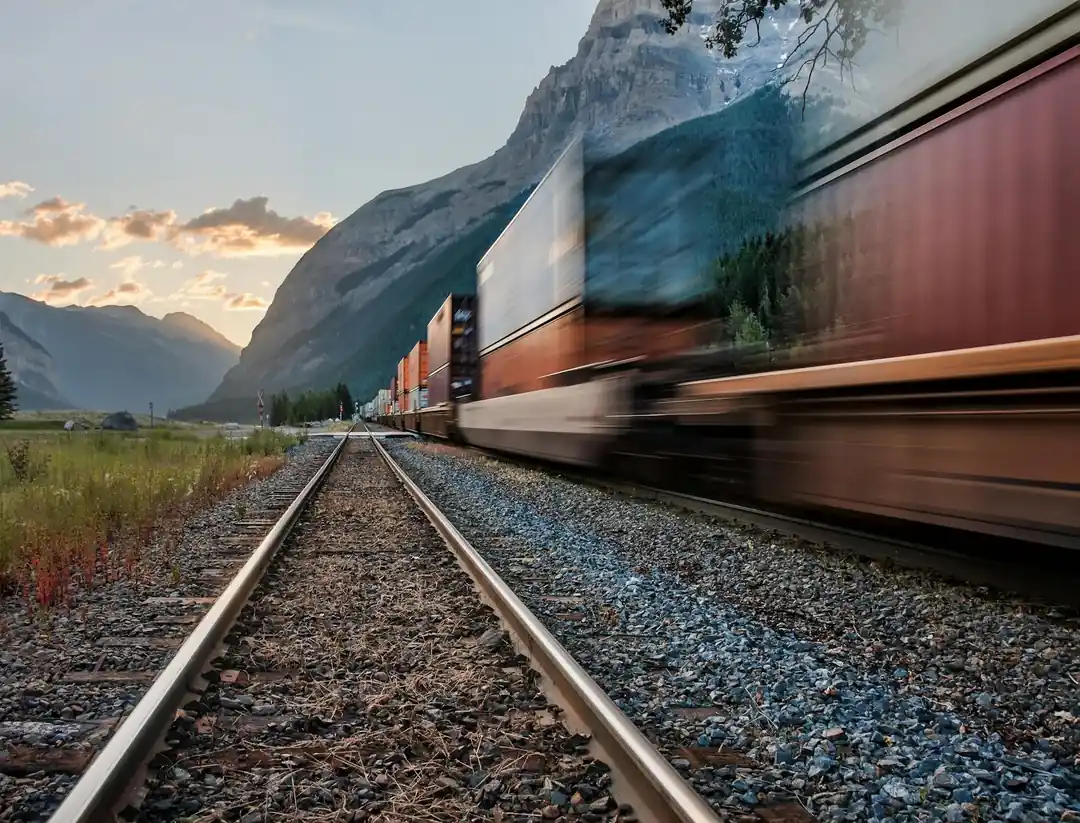
Beyond the Highway: Finding Canada's Soul on a Western Rail Adventure
Forget road trips. I'm talking about rediscovering the romance of travel on Via Rail's most scenic routes through the heart of the Canadian West. It’s an experience that changes you.
 TRAVEL TIPS
The Unwritten Rules of the North: What to Know Before Camping in Canada
Heading to the Great White North for a camping trip? It's an amazing idea. But from campfire etiquette to wildlife wisdom, here’s what you need to know before you go.

Popular Posts

Rethinking Non-Profit Promotion: Creative Strategies That Actually Drive Event Impact

Beyond Stark White: The Best Interior Paint Colors to Light Up Your New Space

How to Actually Master a New Language on Your Own (No Magic Gene Required)