Bitcoin vs. Altcoins: More Than Price, It's a Battle of Strategies
Diving into crypto? The first fork in the road is deciding between Bitcoin and the vast world of altcoins. It's not just about picking a winner, but choosing the investment philosophy that fits you.
So, you’re standing at the edge of the cryptocurrency universe, ready to take the plunge. It’s an exciting, dizzying, and honestly, a pretty confusing place to be. The first major crossroad you'll almost certainly encounter is the fundamental choice: do you stick with the king, Bitcoin, or do you venture into the wild, sprawling territories of "altcoins"? It’s a question that seems simple on the surface, but the answer defines your entire investment journey.
I remember getting started and feeling like I was trying to learn a new language. Everyone had a strong opinion, and every coin promised to be the "next big thing." What I’ve come to realize is that the debate between Bitcoin and altcoins isn't about which is definitively "better." Instead, it’s a deeply personal decision about strategy, risk tolerance, and what you're hoping to achieve. Think of it as choosing between a blue-chip stock and a high-growth tech startup; both have their place, but they serve very different purposes in a portfolio.
The Bitcoin Strategy: Digital Gold and the Long Game
Bitcoin is the original, the one that started it all. It’s often called "digital gold," and for a good reason. Its core value proposition, as seen by most long-term investors, is its function as a store of value. With a hard cap of 21 million coins, it’s inherently deflationary. Unlike traditional currencies, which can be printed at will by central banks, Bitcoin's supply is finite. This scarcity is a powerful driver of its long-term investment thesis.
The most common strategy for Bitcoin investors is beautifully simple: "HODL," or Hold On for Dear Life. This isn't just a meme; it's a philosophy rooted in the belief that despite its infamous volatility, Bitcoin's value will trend upwards over the long run. Investors who adopt this strategy often use Dollar-Cost Averaging (DCA), which involves investing a fixed amount of money at regular intervals, regardless of the price. This method smooths out the entry price over time and removes the emotional temptation to "time the market," which is a notoriously difficult, if not impossible, task.
Investing in Bitcoin is often seen as a macro bet on the future of decentralized finance. It's less about the technology's utility for daily transactions and more about its role as a hedge against inflation and a non-sovereign asset in an increasingly uncertain global economy. Its large market capitalization and brand recognition make it the most liquid and relatively stable asset in the crypto space. For investors looking for a foothold in digital assets with a lower (though still significant) risk profile compared to the rest of the market, Bitcoin is the undisputed anchor.
The Altcoin Strategy: High Risk, High Reward, and Deep Dives
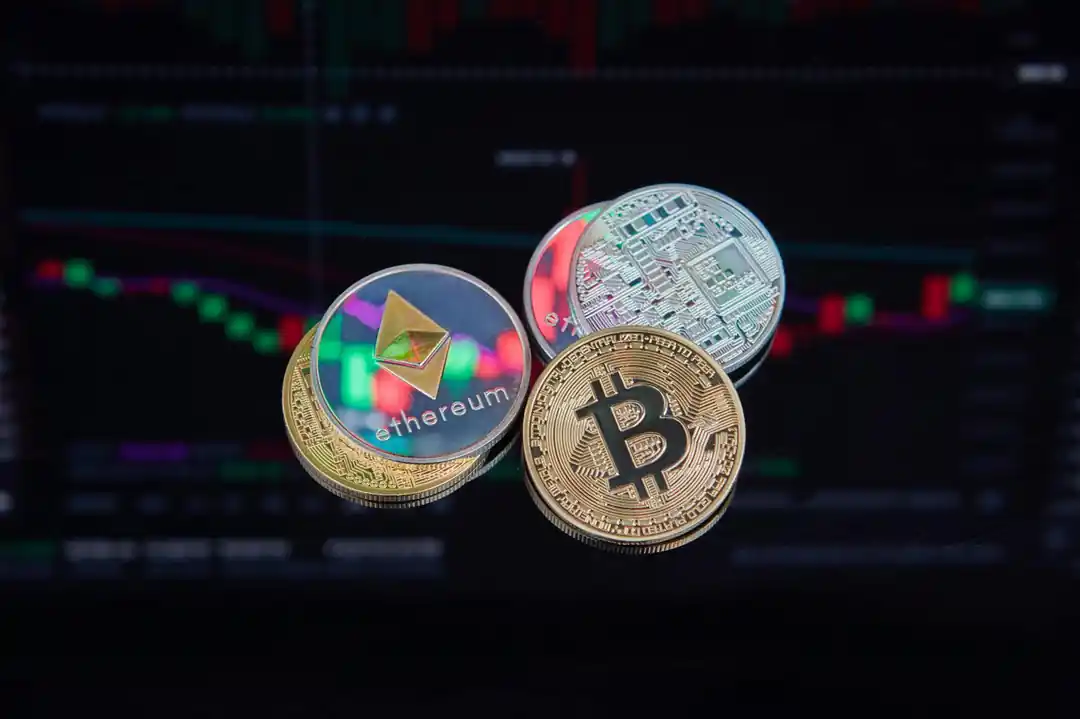
If Bitcoin is the anchor, altcoins are the fleet of speedboats, exploration vessels, and experimental craft zipping around it. The term "altcoin" simply refers to any cryptocurrency other than Bitcoin, and there are thousands of them, ranging from highly sophisticated platforms like Ethereum to speculative meme coins. This is the venture capital wing of the crypto world, where innovation is rampant, and the potential for explosive growth—and catastrophic failure—is ever-present.
The strategy for altcoin investing is fundamentally different. It’s rarely about holding for a decade; instead, it's often about identifying promising projects before they hit the mainstream. This requires an immense amount of research. You can't just buy an altcoin based on hype. You need to become a part-time analyst, digging into whitepapers, evaluating the credibility of the development team, understanding the "tokenomics" (the supply, demand, and distribution of the coin), and assessing its real-world use case. Is this project solving a genuine problem, or is it just a solution in search of one?
The risk here cannot be overstated. For every altcoin that delivers 100x returns, countless others fade into obscurity, their value plummeting to zero. The market is rife with "pump and dump" schemes, and the lower liquidity of many smaller coins means their prices are incredibly volatile. An altcoin portfolio requires constant monitoring and a willingness to accept that some of your investments will likely fail. The goal is that the gains from your successful picks will vastly outweigh the losses from the others.
Building a Balanced Portfolio: The Best of Both Worlds?
So, where does that leave you? For many, the answer isn't an "either/or" choice but a "both/and" approach. A popular strategy is to build a portfolio with a core holding in Bitcoin, treating it as the stable foundation, and then allocating a smaller percentage to a diversified basket of carefully selected altcoins. This allows you to have a stake in the long-term, store-of-value proposition of Bitcoin while still capturing some of the high-growth potential from the more innovative, albeit riskier, corners of the market.
This core-satellite model allows you to adjust your risk exposure based on your comfort level. A more conservative investor might allocate 80-90% to Bitcoin and just 10-20% to altcoins. A more aggressive investor, on the other hand, might have a 50/50 split or even a higher allocation to altcoins. The key is diversification, not just across different coins, but across different sectors within the altcoin market (e.g., DeFi, smart contract platforms, gaming, etc.).
Ultimately, there is no single "correct" strategy. Your financial situation, your long-term goals, and your ability to stomach volatility are the most important factors. The crypto market is a powerful tool for wealth creation, but it's unforgiving to those who enter without a plan. Whether you choose to be a Bitcoin maximalist, an altcoin adventurer, or a balanced strategist, the most important investment you can make is in your own education.
The journey is a marathon, not a sprint. Take the time to understand what you're investing in, be honest with yourself about the risks you're willing to take, and build a strategy that lets you sleep at night. The digital frontier is still being mapped, and finding your own path is the true key to success.

How to Start a Business That Accepts Cryptocurrency Payments
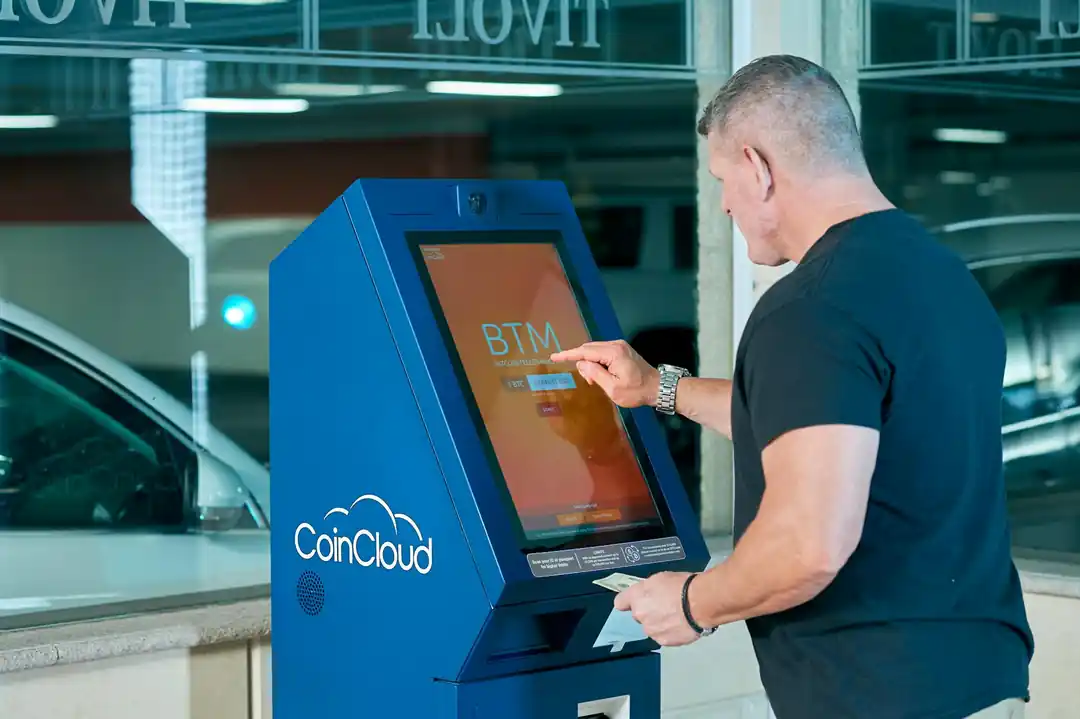
My First Time at a Crypto ATM: A Beginner's Guide to Buying Bitcoin with Cash
Related Posts
 BUSINESS
Rethinking Non-Profit Promotion: Creative Strategies That Actually Drive Event Impact
Discover modern, research-backed strategies for promoting non-profit fundraisers, from experiential marketing to hyper-local micro-influencers and cross-sector partnerships.
 BUSINESS
Is the TV Ad Dead? A Deep Dive into Cost and Effectiveness in 2024
In an age of streaming and scrolling, is a TV commercial still a smart bet for brands? We're breaking down the real costs and surprising effectiveness of television advertising today.

Popular Posts
Rethinking Non-Profit Promotion: Creative Strategies That Actually Drive Event Impact

Beyond Stark White: The Best Interior Paint Colors to Light Up Your New Space

How to Actually Master a New Language on Your Own (No Magic Gene Required)
