Feeling overwhelmed by all the rock climbing gear out there? I get it. Let's cut through the noise and talk about the essential items you truly need to start your journey.
Stepping into the world of rock climbing is an experience unlike any other. Whether it's the vibrant, social atmosphere of an indoor gym or the breathtaking quiet of an outdoor crag, there's a unique thrill to it. Honestly, I remember feeling a mix of pure excitement and a healthy dose of intimidation when I first started. The sheer variety of gear, the unfamiliar jargon, the seemingly endless options—it can make your head spin. But here’s the secret I wish someone had told me sooner: you don't need to buy everything all at once.
Many beginners, myself included, start by renting gear at a local gym. This is a fantastic way to get a feel for the sport without a huge upfront investment. You can figure out if you love the feeling of solving a puzzle with your body before you commit your wallet. But eventually, the day comes when you'll want your own kit—something that fits you perfectly and feels like an extension of your own ambition on the wall.
This isn't just about avoiding the well-worn, slightly funky rental shoes, either. Owning your gear is about consistency, comfort, and building a deep, instinctual trust in the equipment that keeps you safe. So, let's talk about the absolute essentials, the items that will truly make a difference as you embark on your climbing journey and form the foundation of your very first kit.
The Absolute Must-Haves: Your Personal Connection to the Rock
When you first decide to commit to climbing, there are a few items that should top your shopping list. These are the pieces that directly impact your performance and comfort, and frankly, they're the ones you'll want to stop renting as soon as possible. Think of them as your personal connection to the rock, the foundational elements that make every move feel more secure and intuitive.
First up, and arguably the most crucial, are climbing shoes. I used to think any old sneaker would do, but I quickly learned how wrong I was. Climbing shoes are specifically designed with sticky rubber and a precise fit to give you the friction and power you need to stand on the tiniest of footholds. For beginners, the key is to prioritize comfort over aggressive performance. You want a snug fit, with your toes lying flat or just slightly bent, but not one that makes you wince. Many experts suggest starting with a "neutral" or "all-around" shoe, which offers a more relaxed fit for all-day comfort as you learn technique.
Next on the list is a climbing harness. This is your primary link to the safety system for any roped climbing, so getting the fit right is paramount. A good harness should sit snugly above your hip bones, tight enough that it can't be pulled down, but not so tight that it restricts your movement or breathing. When I bought my first one, I spent ages hanging in different models at the store. It felt a bit silly at the time, but it was totally worth it to find one that didn't pinch. Look for one with comfortable padding and, if possible, adjustable leg loops to accommodate different layers of clothing if you plan to climb outdoors.
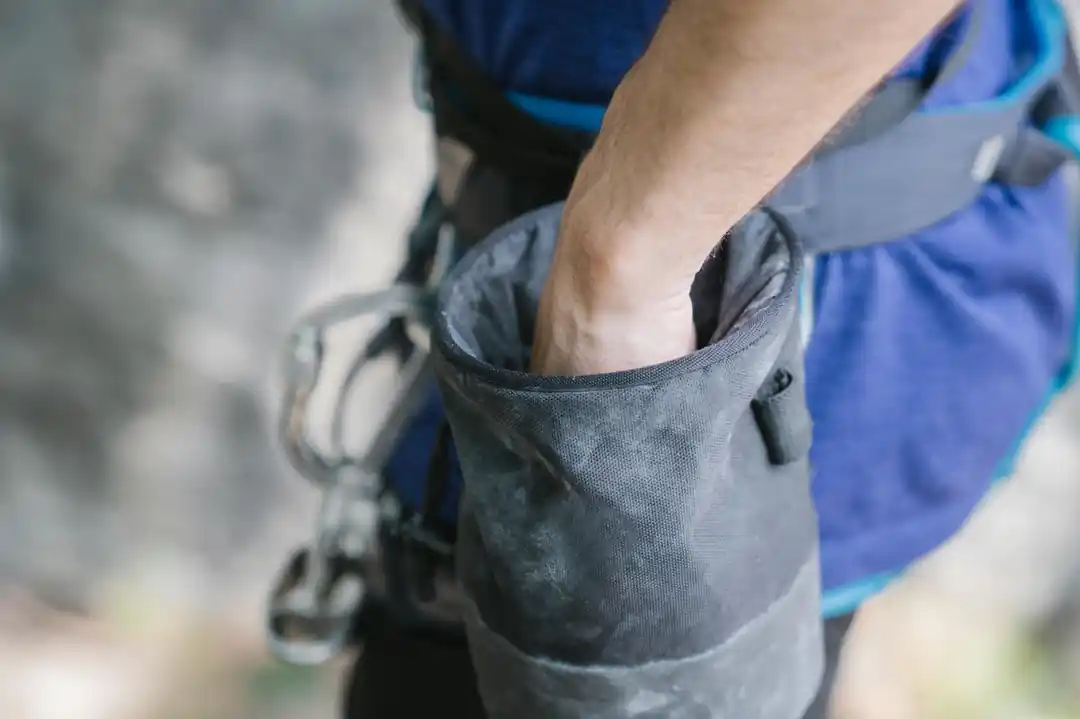
Finally, let's talk about chalk and a chalk bag. As you climb, your hands will inevitably get sweaty, and that's where chalk becomes your best friend. It's a simple magnesium carbonate powder that absorbs moisture, providing a much-needed boost to your grip and confidence. A simple chalk bag, which slings around your waist on a belt, keeps this magic dust within easy reach. While there are different types—loose powder, a chalk ball, or even liquid chalk—most climbers start with a chalk ball as it's less messy. It’s not a safety item, but it’s a game-changer for your mental and physical performance on the wall.
Stepping Up Your Safety: Belay Devices and Carabiners
Once you've got your personal comfort and grip sorted, the next step is to invest in the gear that directly ensures your safety and the safety of your climbing partner. These items are the backbone of any roped climbing system, and understanding their function is just as important as owning them. This is where the trust in your equipment truly begins to build, moving from a personal preference to a shared responsibility.
A belay device is the critical tool used to manage the rope, catch a falling climber, and lower them back to the ground. For beginners, the two most common types are tube-style devices (like an ATC) and assisted-braking devices (like a Petzl GriGri). Many instructors and gyms recommend starting with an assisted-braking device because it has a mechanism that helps to "catch" the rope in the event of a fall, providing an extra layer of security. I found this incredibly reassuring when I was still learning the nuances of belaying.
Of course, no belay device is automatic, and proper training from a qualified instructor is non-negotiable. However, using the same device every time you climb helps build crucial muscle memory. You'll become intimately familiar with how it feeds rope and how it locks off, making your movements smoother and more instinctual. This consistency is a cornerstone of becoming a safe, reliable belayer for your partners.
Hand-in-hand with your belay device, you'll need a locking carabiner. This is not just any carabiner; it must be a locking one. These strong, metal loops have a gate that screws shut or locks automatically, preventing it from accidentally opening under load. This specific carabiner is what connects your belay device to the strongest point on your harness, the belay loop. It is the linchpin of the entire safety system. You simply cannot belay without one, and owning your own ensures you know its history and can trust its integrity.
Gearing Up for the Great Outdoors
While the items above are more than enough to get you started in most climbing gyms, the moment you decide to take your skills to real rock, the gear list expands slightly. Outdoor climbing introduces new variables, namely the risk of falling rock and the need to provide your own anchor points. This is where your kit evolves to handle the beautiful unpredictability of nature.
The most important addition for any outdoor climbing is a helmet. In a gym, the environment is controlled. Outdoors, however, things like loose rock, dropped gear from climbers above, or even an awkward fall can pose a serious risk to your head. A climbing-specific helmet is lightweight, comfortable, and designed to protect you from both top-down impacts and falls. Honestly, once you get used to wearing it, you’ll barely notice it’s there, and it’s a small price to pay for critical protection.
If you plan to do any sport climbing outdoors, you'll also eventually need your own rope and quickdraws. While you can often follow more experienced friends and use their gear for a while, owning your own rope is a major step in becoming a self-sufficient climber. A 60-meter dynamic rope is a fantastic, versatile starting point. For quickdraws—the sets of two carabiners that connect your rope to the bolts on the wall—a pack of 12 is usually sufficient for most beginner-friendly sport routes.
Building your first climbing kit is a rite of passage. It’s an exciting process of investing in yourself and in the adventures you want to have. Start with these essentials, learn from experienced mentors, and let every piece of gear you acquire be a deliberate step toward new heights. The journey is just beginning.

The Anatomy of a Laugh: How to Structure a Joke for Maximum Impact
Your Stress-Free Guide to Booking Taiwan High Speed Rail Tickets

Related Posts
 HOBBIES
The Beginner's Guide to Reading the Night Sky: How to Spot Your First Constellations
A friendly, grounded guide to navigating the night sky, understanding stellar movements, and spotting iconic constellations without expensive gear.
 PETS
PETSSniffle-Free Snuggles: America's Most-Loved Hypoallergenic Dogs
Dreaming of a furry friend but dreading the sneezes? You're not alone. Let's dive into the wonderful world of popular hypoallergenic dog breeds in the US.

Popular Posts

Rethinking Non-Profit Promotion: Creative Strategies That Actually Drive Event Impact

Beyond Stark White: The Best Interior Paint Colors to Light Up Your New Space

How to Actually Master a New Language on Your Own (No Magic Gene Required)
