Feeling lost on how to start your fitness journey? I get it. Let's explore safe, effective, and actually fun ways for teens to build strength and confidence.
Let’s be honest for a second. Navigating your teenage years is a wild ride. There’s school, a social life that feels like a full-time job, and the constant pressure to figure out who you are. Amidst all that, the idea of “getting fit” can feel like just another overwhelming task on a never-ending to-do list. I remember feeling that way—seeing fitness portrayed as something intense and complicated, reserved for super-athletes or people who had it all figured out. It felt intimidating.
But what if we reframed it? What if fitness wasn’t about chasing an unrealistic ideal, but about finding joy in movement, building real-world strength, and giving your mind a much-needed break? Over the years, I've learned that the best kind of fitness is sustainable, safe, and, most importantly, something you don't dread doing. It’s about building a powerful connection with your body that will support you long after your high school days are over.
This isn't about a total life overhaul. It's about finding smart, effective ways to move that fit into your life. It’s about discovering the confidence that comes from feeling strong in your own skin and learning how to care for your body in a way that feels good, not punishing.
More Than Just Muscles: Why Movement Matters
In a world dominated by screens, the simple act of moving your body can feel revolutionary. The experts at the CDC recommend that teens get at least 60 minutes of moderate-to-vigorous physical activity each day. But before you tune out, that doesn’t mean an hour-long, grueling workout is mandatory. It’s about the cumulative effect of movement throughout your day. A brisk walk to a friend's house, a bike ride after school, dancing around your room to your favorite album—it all counts.
The benefits go so much deeper than physical appearance. Regular activity is a powerhouse for your brain. Studies have consistently shown it can lead to better focus in class, sharper memory, and more creative problem-solving. Think of it as sharpening the tools you need to succeed in school and beyond. For me, the biggest game-changer was discovering exercise as a tool for mental clarity. On days when my mind felt cluttered and anxious, a simple run or a yoga session was like hitting a reset button, offering a quiet space to breathe and regroup.
This daily hour of movement is also crucial for building a resilient body. During your teen years, you're literally building the framework for your future health. Physical activity strengthens your bones, which is vital for preventing issues like osteoporosis later in life. It builds lean muscle that supports your metabolism and improves your coordination. It’s an investment in a future self that is strong, capable, and full of vitality.
The Three Pillars of a Balanced Routine
A great fitness plan is a lot like a balanced meal; you need a little bit of everything to get the full benefits. Focusing on just one type of exercise can lead to boredom and even injury. Instead, weaving in variety keeps things interesting and ensures you’re building a well-rounded, functional strength. The three main components to keep in mind are cardio, strength, and flexibility.
First up is aerobic exercise, or cardio. This is anything that gets your heart pumping and your breathing rate up. The goal is to include this most days of the week. Think running, swimming, dancing, cycling, or playing sports like basketball or soccer. These activities are incredible for your heart health and endurance. They teach your body to use oxygen more efficiently, which translates to having more energy for everything else you do.
Next is strength training. And no, this doesn't mean you have to start lifting heavy weights. In fact, for teens, the focus should always be on proper form over heavy loads. Bodyweight exercises are a fantastic starting point—think push-ups (on your knees is a great place to start!), squats, lunges, and planks. These movements build a solid foundation of strength and stability. As you get more comfortable, you can introduce resistance bands or light weights. The goal is to challenge your muscles, which helps build both strength and confidence.
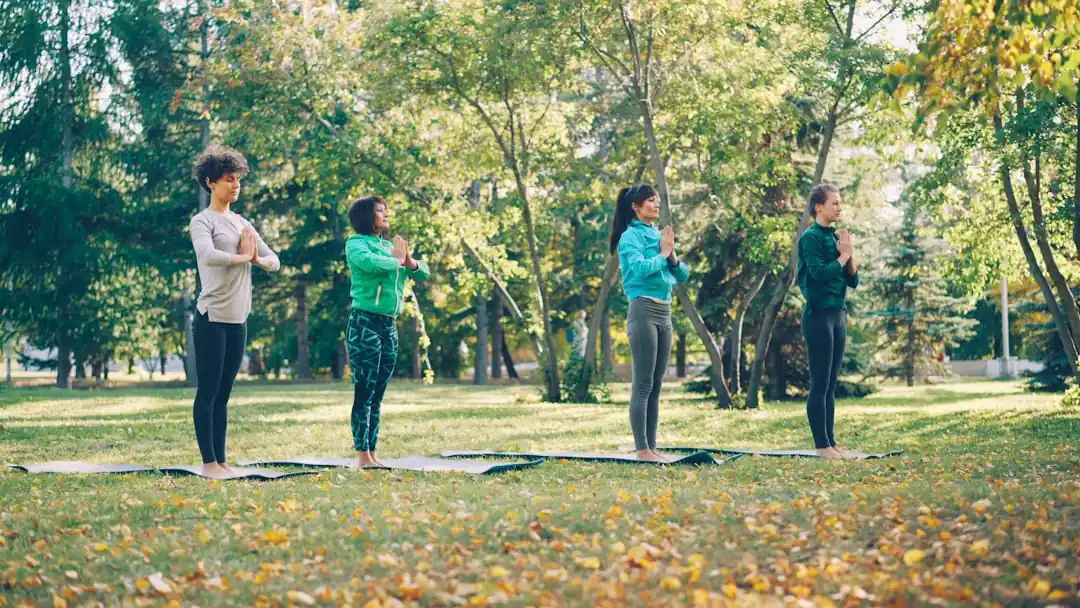
Finally, don't forget flexibility and mobility. This is what allows you to move freely and without pain. Activities like stretching, yoga, or even just taking a few minutes to do some simple movements after a workout can make a huge difference. It helps prevent injuries, reduces muscle soreness, and just makes you feel better in your day-to-day life. It’s the quiet hero of a good fitness routine, the part that keeps you feeling fluid and capable.
Listen to Your Body: The Most Important Rule
In the quest for fitness, it’s easy to fall into the “more is more” trap. We see athletes pushing their limits and think that’s the only way to get results. But one of the most mature and important things you can learn is how to listen to your body. This means understanding the difference between the discomfort of a challenging workout and the sharp signal of pain that means you should stop.
Rest days are not a sign of weakness; they are a critical part of getting stronger. When you exercise, you create tiny micro-tears in your muscles. It’s during periods of rest that your body repairs these tears, building the muscle back stronger than before. Skipping rest days can lead to overtraining, burnout, and injury, which will only set you back in the long run. Plan for at least one or two rest days a week, and don't be afraid to take an unscheduled day off if you’re feeling particularly sore or exhausted.
Fueling your body properly is just as important as the exercise itself. You don’t need a complicated diet, just a focus on whole, nutritious foods. Think fruits, vegetables, lean proteins, and whole grains. And hydrate, hydrate, hydrate! Drinking enough water throughout the day is essential for energy, muscle function, and overall health. Your body is working hard, so give it the quality fuel it needs to perform and recover.
Finding Your Groove
Ultimately, the best fitness routine is the one you’ll actually stick with, and the key to that is finding something you genuinely enjoy. Don't force yourself to run if you hate running. If the gym feels intimidating, explore home workouts or outdoor activities. Maybe your thing is rock climbing, martial arts, or a dance class. The possibilities are endless.
Don't be afraid to experiment. Try a new class with a friend. Go for a hike on a local trail. Look up a beginner’s yoga video online. The goal is to find your groove—that activity that makes you feel powerful and leaves you feeling better than when you started. This journey is yours and yours alone. It’s not a competition or a race.
Embrace the process of discovering what makes you feel alive. Every small step, every workout you complete, is a victory. It’s a testament to your commitment to yourself—to your strength, your health, and your well-being. You have the power to build a body and a life that feels good from the inside out. Just start where you are, with what you have, and enjoy the ride.
That Little Bag in Your Trunk Could Save Your Life: Building a Real Winter Car Safety Kit
The Great Rewiring: What to Expect Psychologically During the Teen Years

Related Posts
 NUTRITION
The Simple Pre-Workout Fueling Strategy That Saved My Long Runs
Discover how timing your carbohydrates and embracing simple foods can eliminate mid-workout fatigue and unlock your true endurance potential.
 FITNESS
No Gym, No Problem: The Ultimate Guide to Bodyweight Fitness at Home
Forget expensive memberships. Discover how to build serious strength and transform your body using the most powerful tool you already own: yourself.

Popular Posts

Rethinking Non-Profit Promotion: Creative Strategies That Actually Drive Event Impact

Beyond Stark White: The Best Interior Paint Colors to Light Up Your New Space

How to Actually Master a New Language on Your Own (No Magic Gene Required)