Ever dreamt of a journey that stretches across continents, where every clickety-clack of the train wheels tells a new story? The Trans-Siberian Railway is more than just a trip; it's an odyssey, and I'm here to share how to make it yours.
There are some journeys that just call to your soul, aren't there? For me, the Trans-Siberian Railway has always been one of those siren songs, a whisper of adventure stretching across vast, untamed landscapes. It's not just a train ride; it's a moving tapestry of cultures, a chance to truly disconnect and reconnect, all while watching the world unfurl outside your window. I used to think it was an impossible feat, reserved only for the most seasoned, intrepid travelers. But honestly, with a little planning and the right mindset, it's an experience that's surprisingly within reach.
This isn't about luxury cruises on rails, though those exist too. This is about the authentic, sometimes gritty, always unforgettable experience of traversing a continent by train. It’s about sharing cups of tea with strangers who become fleeting friends, and witnessing the sheer scale of Russia, Mongolia, and China. It's about embracing the slow travel movement in its purest form, letting the rhythm of the tracks dictate your pace for days on end.
So, if you've ever harbored that secret desire to embark on this legendary voyage, pull up a chair. I’ve spent hours diving into the logistics, the routes, and the little details that transform a simple train ticket into the journey of a lifetime. Let's chart a course together.
Charting Your Own Adventure: Which Route is for You?
First things first: the "Trans-Siberian" isn't a single, monolithic route. It's a network of railways, and you have three main, magnificent options to choose from. Your decision here will fundamentally shape your entire experience, from the visas you'll need to the landscapes you'll see.
The classic, and the one that started it all, is the Trans-Siberian proper. This is the beast, stretching an incredible 9,288 kilometers (that’s nearly 6,000 miles!) from Moscow all the way to Vladivostok on Russia's Pacific coast. This route keeps you entirely within Russia, crossing eight time zones and offering a deep, profound immersion into the heart of Siberia. If you want to understand the sheer vastness of Russia, this is your path. The non-stop journey takes about seven days, but honestly, the real magic lies in breaking it up.
Then there's my personal favorite, the Trans-Mongolian route. This path follows the main line from Moscow to the city of Ulan-Ude, a fascinating cultural crossroads in Siberia. From there, it veers south, cutting straight through the heart of Mongolia and its breathtaking steppes, passing through the capital, Ulaanbaatar, before finally arriving in Beijing, China. This route offers the most diverse cultural experience, taking you from Russian orthodoxy through Mongolian nomadic life to the bustling energy of China.
Finally, you have the Trans-Manchurian route. Like the Trans-Mongolian, it connects Moscow to Beijing, but it bypasses Mongolia entirely. After Chita in Siberia, it heads southeast into northeastern China (historically known as Manchuria), passing through the city of Harbin. This is a great option if you're more focused on Russia and China, or perhaps if the visa logistics for Mongolia seem a bit daunting. Each route is a different story waiting to be written.
Life Aboard the Train: Finding Your Rhythm
Life on the Trans-Siberian settles into a unique and comforting rhythm. The gentle rocking of the carriage, the endless scroll of birch forests and distant villages, the routine of mealtimes—it becomes your entire world. Your experience will largely be defined by the class you choose. First class (spalny vagon or SV) offers two-berth compartments, providing privacy and quiet. Second class (kupe) is the most common choice for travelers, with four-berth compartments that are perfect for small groups or for meeting fellow passengers. Third class (platskartny) is an open-plan carriage, offering the most authentic (and budget-friendly) local experience, though with very little privacy.
No matter your class, every carriage is managed by a pair of attendants, known as provodnitsa (female) or provodnik (male). They are the masters of the carriage, keeping it clean, checking tickets, and ensuring everyone is behaving. Your most important resource, however, is the samovar at the end of each car, providing unlimited, boiling hot water. This is your lifeline for tea, coffee, and the quintessential Trans-Siberian meal: instant noodles.
While there is a restaurant car, and you should absolutely visit it at least once for the experience, most travelers bring a significant stash of their own food. Think instant oatmeal for breakfast, and a collection of bread, cheese, and sausage for lunches. A key part of the experience is hopping off at longer station stops where local babushkas sell homemade pies, smoked fish, and fresh vegetables right on the platform. It’s the best and most authentic food you’ll have on the entire journey.
The Logistics: Visas, Tickets, and Timing
Alright, let's talk about the less romantic but absolutely essential planning phase. For US citizens, visas are the most important hurdle to clear. For the Russian portion, you will need a tourist visa, and you must apply for it in advance from your home country. This process requires an official "visa invitation" or "tourist voucher" from a registered Russian tour operator or hotel, which confirms your itinerary. Give yourself plenty of time for this—at least a month or two.
The Mongolian leg is refreshingly simple. As of 2025, US citizens can enter Mongolia visa-free for up to 90 days, which is a huge plus for the Trans-Mongolian route. For China, you will also need to secure a visa in advance. The standard is a 10-year multiple-entry tourist visa, which is fantastic for future travel. Always check the latest requirements on the official embassy websites, as these rules can and do change.
Booking tickets can be done through various agencies that specialize in Trans-Siberian travel, which is the easiest, albeit more expensive, option. For the more adventurous, you can book tickets directly through the official Russian Railways website (rzd.ru), which has an English version. A crucial tip: it's often better to book the journey in separate legs (e.g., Moscow to Irkutsk, then Irkutsk to Ulaanbaatar) rather than one through-ticket. This gives you the freedom to stop and explore for a few days in key cities, which is what truly makes the trip unforgettable.
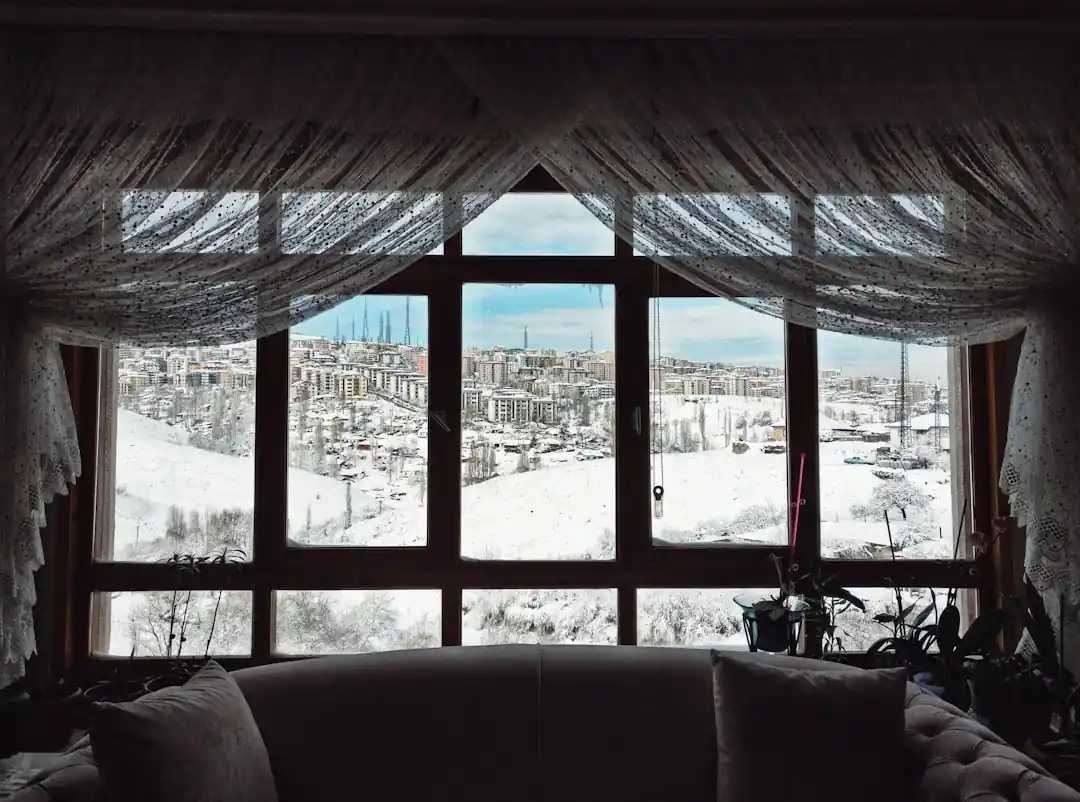
The best time to go? Late spring (May-June) and early autumn (September) offer the most pleasant weather and beautiful "golden autumn" foliage. Summer is peak season with the best weather but also the biggest crowds. And for the truly hardy, winter offers a magical, snow-covered wonderland and the chance to see the frozen expanse of Lake Baikal, though you must be prepared for extreme cold.
Must-See Stops Along the Way
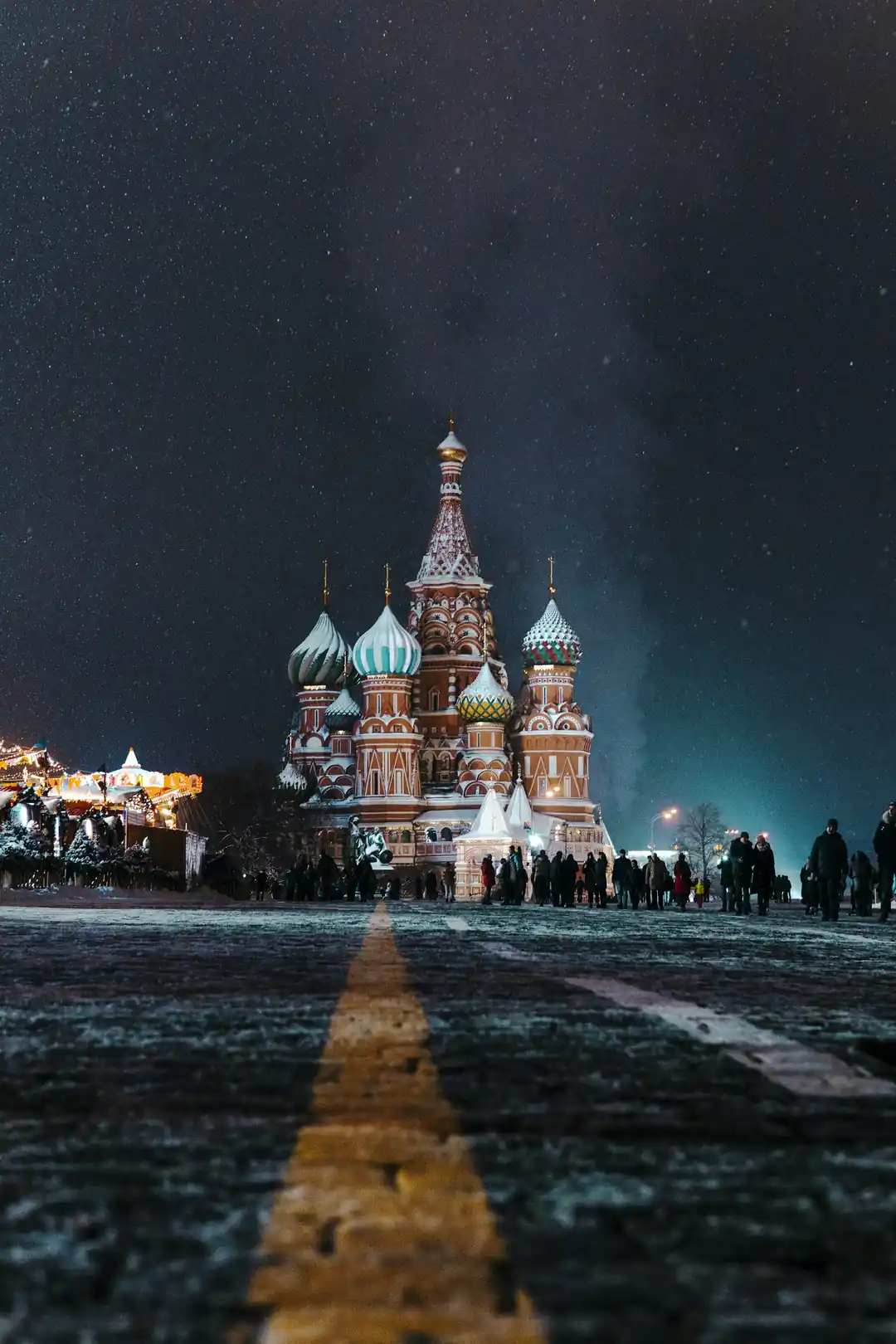
While the train journey itself is the main event, the stops you make are the chapters of your story. Moscow is a dazzling start, with the Kremlin, Red Square, and its opulent metro stations. Further east, Yekaterinburg, on the border of Europe and Asia, is a city steeped in the tragic history of the last Tsar.
The absolute jewel of Siberia is Irkutsk and the nearby Lake Baikal. Known as the "Paris of Siberia" for its beautiful architecture, Irkutsk is the jumping-off point for the world's oldest and deepest lake. Seeing Baikal, whether it's the crystal-clear water of summer or the otherworldly turquoise ice of winter, is a spiritual experience. Spend at least three days here if you can.
If you're on the Trans-Mongolian route, Ulaanbaatar is a chaotic but fascinating capital. It’s your base for exploring the vast Mongolian steppe, sleeping in a traditional ger (yurt), and experiencing the legendary nomadic hospitality. It’s a stark and beautiful contrast to the forests of Siberia.
This journey is more than a trip; it's a pilgrimage for the modern traveler. It’s a chance to slow down, to disconnect from the noise of the digital world, and to connect with the vastness of the planet and the people who inhabit it. It teaches you patience, adaptability, and the simple joy of watching the world go by. I hope this guide helps you take that first step. The rails are waiting.

My Unexpected Love Affair with Andorra la Vella
When to Wander: Unlocking Russia's Best Weather for Your Adventure
Related Posts
 TRANSPORT
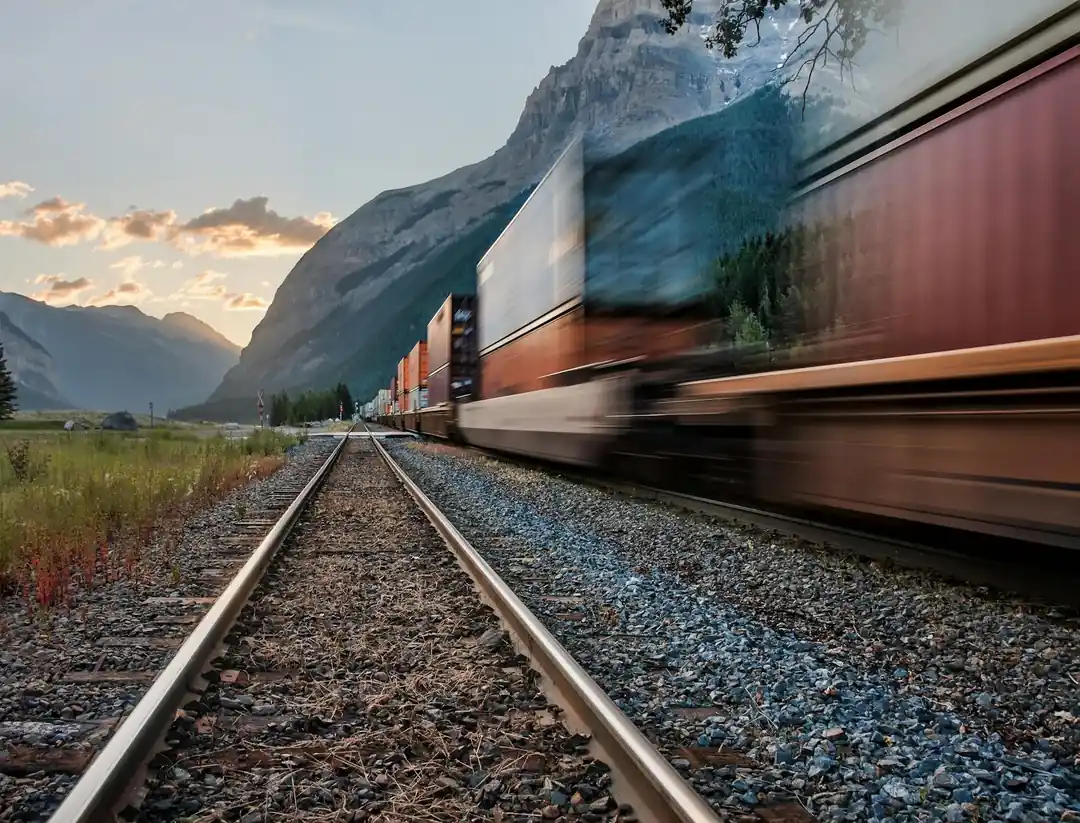
Beyond the Highway: Finding Canada's Soul on a Western Rail Adventure
Forget road trips. I'm talking about rediscovering the romance of travel on Via Rail's most scenic routes through the heart of the Canadian West. It’s an experience that changes you.
 TRAVEL TIPS
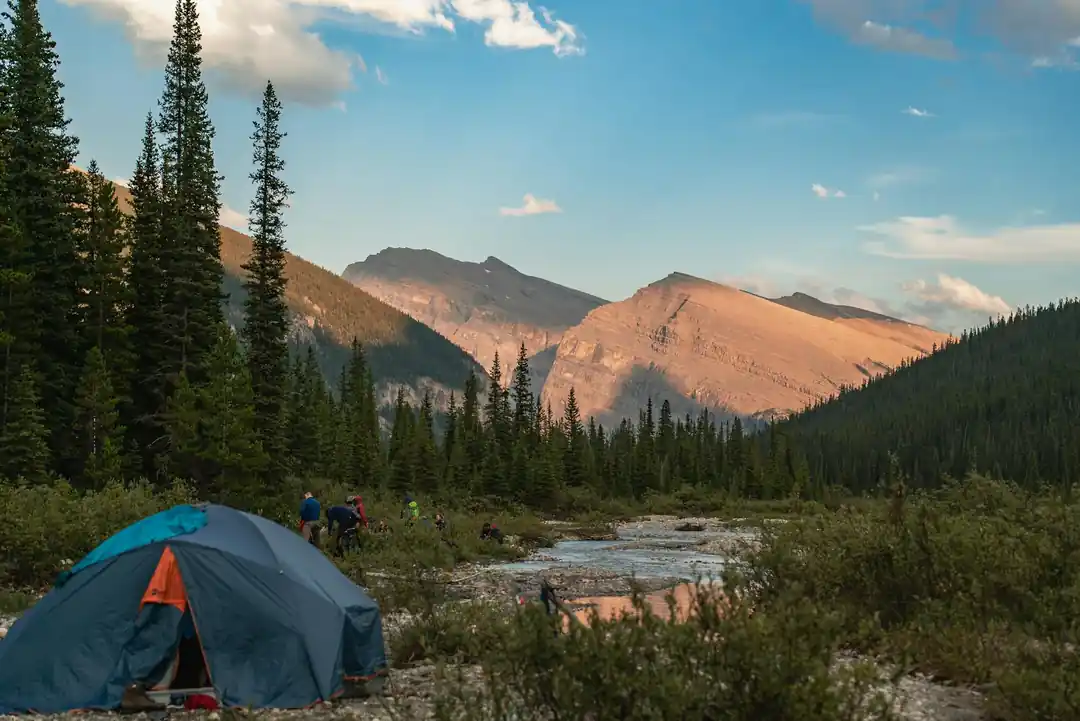
The Unwritten Rules of the North: What to Know Before Camping in Canada
Heading to the Great White North for a camping trip? It's an amazing idea. But from campfire etiquette to wildlife wisdom, here’s what you need to know before you go.

Popular Posts

Rethinking Non-Profit Promotion: Creative Strategies That Actually Drive Event Impact

Beyond Stark White: The Best Interior Paint Colors to Light Up Your New Space

How to Actually Master a New Language on Your Own (No Magic Gene Required)
