A deep-dive into Neural DSP's compact powerhouse, the Quad Cortex Mini. We're exploring if this tiny titan truly delivers the full Quad Cortex experience for guitarists on the move.
There’s a constant, almost gravitational pull in the world of guitar gear: the desire for more sounds, more options, and more power, contrasted sharply by the practical need for less weight, less complexity, and a smaller footprint. For years, we’ve been told to pick a side. You could have the stadium-level processing power, but it came in a rack-mounted behemoth. Or you could have the pedalboard-friendly size, but you had to accept a watered-down feature set. It felt like an unbreakable law of physics.
Then, Neural DSP came along and bent those laws with the original Quad Cortex. It was a revelation, packing an absurd amount of power into a relatively sleek floor unit. But even then, for players devoted to minimalist setups or those who travel constantly, its size could still be a consideration. So, when whispers of a "mini" version started circulating, the collective ears of the guitar community perked up. Now, it's here. The Quad Cortex Mini has landed, and it poses a very direct question: is it truly the best of both worlds?
I’ve spent a lot of time thinking about this, digging through the specs, and listening to the first impressions from the community. The promise is immense—the exact same brain as its bigger brother, just in a body that’s over 50% smaller. It sounds almost too good to be true. Let's be real, we've been burned by "mini" versions of gear before. But this feels different. This feels like it might just be the one we've been waiting for.
What Exactly Got Smaller?
When you first see the Quad Cortex Mini, its size is genuinely startling. It’s tiny. We're talking about a unit that can comfortably sit on a crowded desk or squeeze onto a pedalboard that’s already packed to the gills. Neural DSP achieved this by making some very deliberate and, I think, very smart hardware choices. The most obvious change is the reduction from eight of the brilliant stomp+rotary switches to four. This is the primary space-saver, and likely the most significant point of consideration for live performers.
The screen, while still a beautiful and responsive touchscreen, has been scaled down from the 7-inch display on the original to a still-very-usable 5-inch version. Honestly, given how well the user interface is designed, this feels like a perfectly acceptable trade-off for the massive reduction in overall size. The core of the experience—the intuitive, drag-and-drop signal path creation—remains fully intact and just as fluid as ever.
Crucially, what didn't get smaller is the brain. The Mini is powered by the very same six-core SHARC+ DSP architecture as the full-sized unit. This is the detail that matters most. It means there is zero compromise in sound quality, processing capability, or the number of simultaneous effects and amp blocks you can run. You are getting the full Quad Cortex engine, period. This isn't a "lite" version; it's a condensed one.

The Sound and the Soul: Neural Capture in Your Pocket
Let's talk about the soul of the machine: the sound. The Quad Cortex platform was built on two pillars: Neural DSP's own world-class amp models and the revolutionary Neural Capture technology. The Mini proudly carries both forward without any compromise. The built-in amp models are exceptional, covering a vast range of tones from pristine cleans to face-melting high-gain, all with the nuance and dynamic response that digital modelers of the past often lacked.
But the real star of the show continues to be Neural Capture. For the uninitiated, this isn't just simple EQ matching. It's a form of AI that analyzes and creates a digital clone of a physical rig—an amp, a cabinet, an overdrive pedal, or any combination thereof. The accuracy is, without exaggeration, uncanny. It captures the sag of a power amp, the fizz of a speaker breaking up, and the unique character of an overdrive pedal pushing tubes into saturation. Having this technology in a device you can practically fit in a gig bag pocket is a paradigm shift.
The integration with Cortex Cloud is the other half of this powerful equation. You're not just limited to the gear you own. You have access to a free, ever-expanding library of Captures created by a global community of users. This means if you need the sound of a rare Dumble amplifier for a recording session, or a vintage Fuzz Face for a specific gig, chances are someone has captured it and uploaded it. The Mini makes this entire universe of tone instantly accessible.
Living with the Mini: Workflow and Practicality
So, how does it feel to actually use it? The workflow on the Quad Cortex has always been one of its strongest selling points, and the Mini is no different. The combination of the touchscreen and the four rotary footswitches is incredibly intuitive. Building a rig is as simple as tapping the screen to add a block and dragging it where you want it. Swapping between scenes or presets is instantaneous, and the "Gig View" mode gives you a clear, high-contrast display of what each footswitch does, which is essential for the stage.
The reduction to four footswitches is, of course, a factor. For players who need to engage multiple, specific effects on the fly within a single song, it might require a bit more planning. You'll likely make more use of "Scenes," which allow you to pre-configure different combinations of active effects within a single preset. However, for many players, four switches are more than enough, especially when you can assign them to control presets, scenes, or individual blocks. Plus, the MIDI I/O means you can easily expand its control with an external footswitch if you absolutely need more.
The I/O is robust for its size, featuring a combination XLR/TRS input, stereo outputs, an effects loop, and a headphone jack. The inclusion of a USB-C port for audio interface functionality (a full 16 channels!) and managing presets via the Cortex Control desktop app is a massive plus for home recording. It can genuinely become the single central hub of your entire studio setup, handling everything from tone generation to recording and re-amping.
Who Is This For?
The Quad Cortex Mini isn't just for one type of guitarist; it's a chameleon that can adapt to several different needs. For the touring musician, it's an almost impossibly perfect fly-rig or a rock-solid backup that contains their entire sound. The ability to have your main rig and a travel-sized version that are 100% patch-compatible is an absolute dream.
For the home studio musician or producer, it's a no-brainer. It's a world-class audio interface and a near-infinite collection of amps, cabs, and pedals that takes up almost no desk space. The sound quality is more than professional enough for commercial releases, and the workflow is faster than miking up a physical amp. It allows you to stay in the creative flow without getting bogged down by technical setup.
And for the minimalist or the player on a budget, it represents incredible value. While not cheap, it provides access to a quality and quantity of tones that would cost tens, if not hundreds, of thousands of dollars to acquire in the analog world. It’s a single purchase that can cover every sonic base you could ever need. The Quad Cortex Mini doesn't feel like a compromise. It feels like a concentration. It’s a powerful, inspiring, and incredibly practical tool that proves, once and for all, that great things truly do come in small packages.
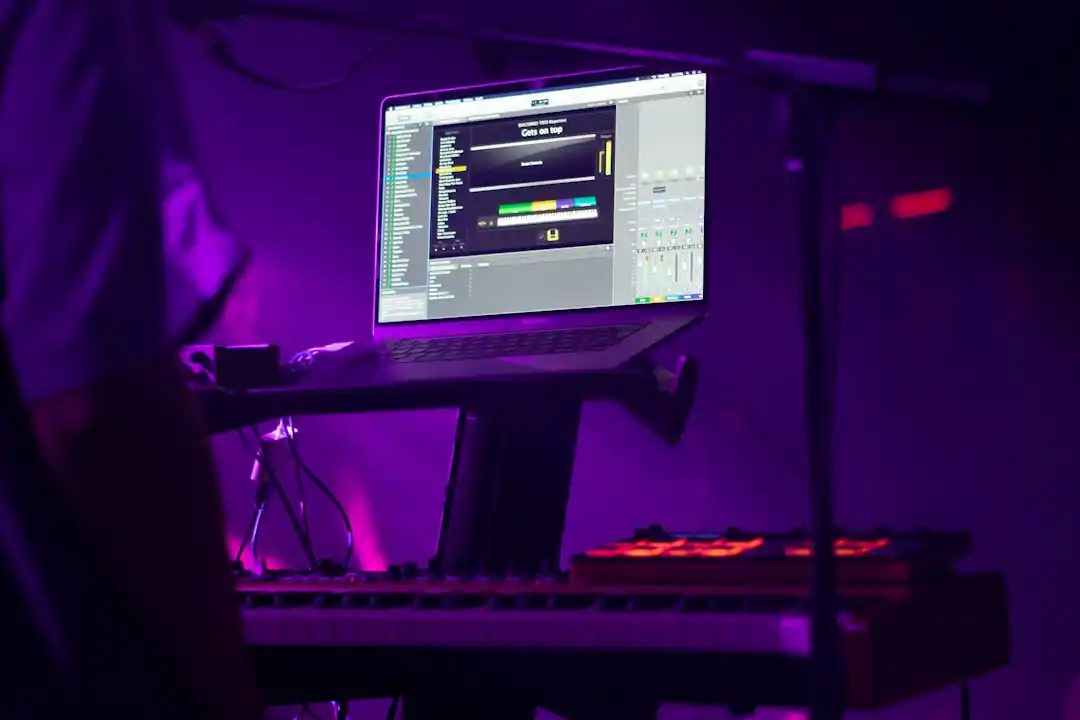
Tame the Tone Beast: A Guitarist's Guide to Managing Quad Cortex Presets
A Beginner's Guide to Swiss Train Travel: Your Ticket to Alpine Dreams

Related Posts
 MOBILE
The Great Console Debate: How to Choose the Right Gaming System for Your Family
Feeling stuck between a Switch, a PlayStation, and an Xbox? Let's break down which gaming console is the perfect fit for your family's game nights.
 MOBILE
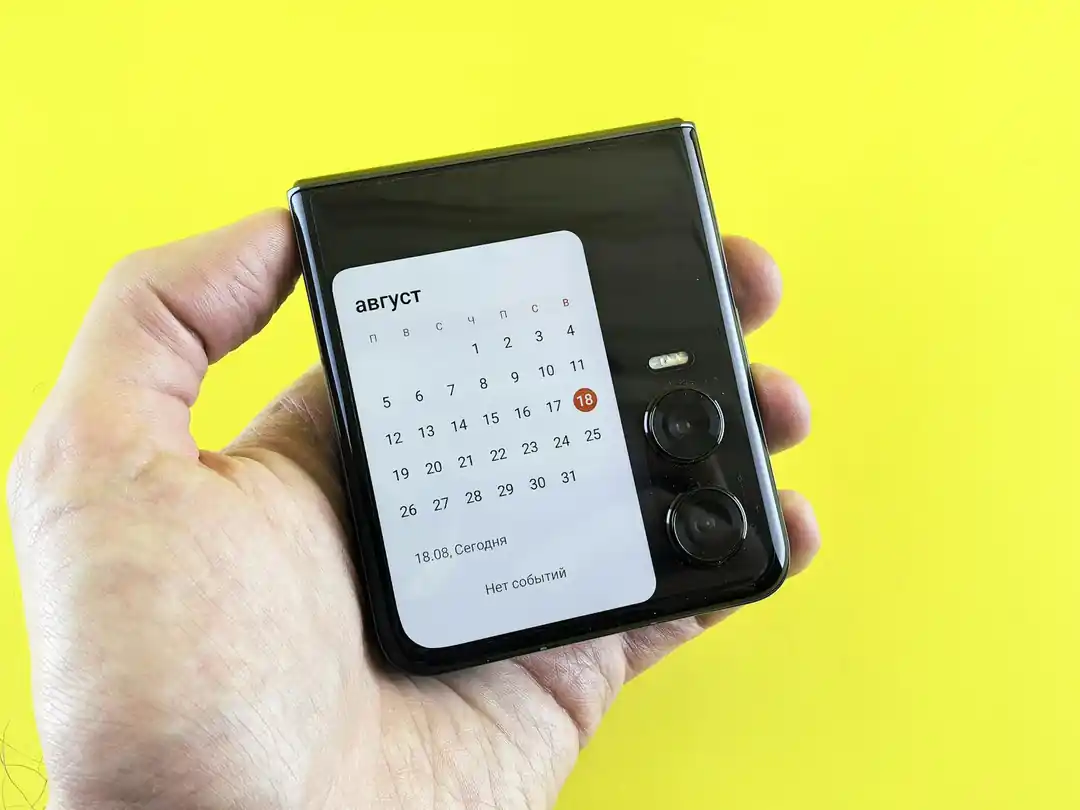
From Fragile to Formidable: The Surprising Evolution of Foldable Phone Durability
Remember when the idea of folding a smartphone screen in half felt like a disaster waiting to happen? Let's talk about how far they've come, because the story is pretty incredible.
Popular Posts

Rethinking Non-Profit Promotion: Creative Strategies That Actually Drive Event Impact

Beyond Stark White: The Best Interior Paint Colors to Light Up Your New Space

How to Actually Master a New Language on Your Own (No Magic Gene Required)
