An exploration of how community support, recognition, and integration are essential to the transformative journey of a vision quest.
The interconnected nature of solitary retreats

A vision quest is often perceived primarily as an isolated wilderness retreat, but it is a collective rite of passage. Rooted in Native American traditions and reflected in various global spiritual practices, the quest generally consists of three phases: severance from one's old life, the threshold or solo time, and the return. While the threshold phase involves solitude, fasting, and exposure to the elements, this experience is linked to the broader social fabric. The individual journeys into the wilderness not just to escape, but to undergo a transition that the wider group recognizes, facilitates, and supports.
Long before a participant steps into the wilderness, the community plays an active role in their preparation and readiness. Supportive networks help prospective questers clarify their intentions, process their life transitions, and prepare for the final exam sequence of their vision quest by gathering the physical and emotional resources necessary for the undertaking. For example, in the account of Oswaldo Montoya's vision quest in West Virginia, he relied on four distinct communities—including his training institute, his church circle, the retreat center staff, and his immediate family—to prepare him for the journey. These groups provided the essential grounding and safety needed to embark on a demanding solitary ordeal.
The expectations held by the community further shape the internal experience of the quester while they are alone on the land. In traditional contexts, such as the Lakota Hanbleceya or the ceremonies of the Navajo and Blackfoot peoples, where language immersion strategies often provide the cultural foundation, the individual seeks visions not just for personal enlightenment, but to bring necessary wisdom back to the tribe. Modern iterations maintain this ethos; the quester's isolation is underpinned by the knowledge that their community awaits their return, expecting them to emerge transformed and ready to fulfill a new mission or role in service to others.
The phase of the return and witnessing
Stages of Return and Community Incorporation
1. Story Sharing and Active Witnessing
Questers rejoin guides and peers in a structured ceremony to share stories and receive reflection on their experiences.
2. Formal Community Acknowledgement
Elders and community members provide direct verbal recognition, validating the individual's new status.
3. Communal Feasts and Acts of Service
Celebratory meals and symbolic tasks reinforce the quester's maturity and commitment to serving the collective.
The final phase of the vision quest, often referred to as the Return or incorporation, is where community endorsement is most explicitly enacted. Upon concluding their solo time in the wilderness, questers rejoin their guides and fellow participants to share the stories of what they encountered. This act of sharing is a structured ceremony where guides carefully listen and reflect the significant lessons back to the individual. Through this active witnessing, the community helps translate profound, often ineffable wilderness experiences into actionable wisdom. This challenges the quester to apply their vision to everyday life.
Traditional indigenous practices illustrate the depth of this communal recognition. During a visit to the Mohawk community of Akwesasne, guides from the Rites of Passage organization witnessed a powerful incorporation ceremony for three teenage boys returning from their quest. The community gathered outside the Longhouse, where elders and extended community members spoke in direct support of the boys' accomplishments. This formal acknowledgement provided validation, cementing the young men's new status as adults within the societal structure.
Following the verbal recognition, communal feasts and specific acts of service frequently reinforce the individual's newly endorsed societal role. In the Mohawk example, the community celebrated with a feast of moose stew and deer sausage, but the newly initiated men were assigned a final symbolic task: they took their places at the very end of the meal line. This physical demonstration of deferring their own needs served as a public endorsement of their maturity and their readiness to prioritize the well-being of the broader community over their own immediate comfort.
Building intentional communities for returning questers
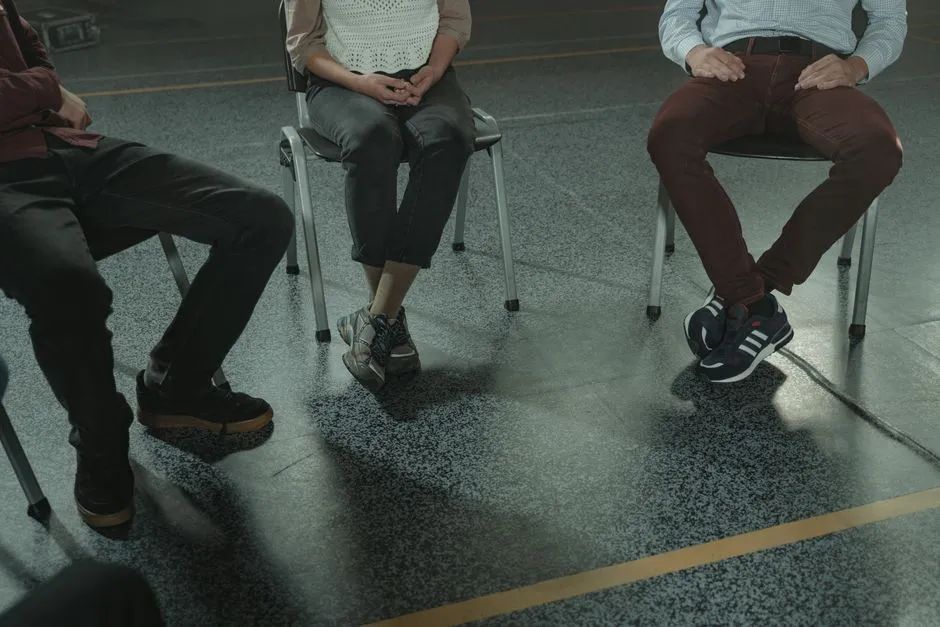
In contemporary society, a significant challenge for returning vision questers is the lack of a culturally ingrained community ready to receive them. Many participants complete transformative wilderness programs only to return to a digitalized, remote, and highly individualized world that does not inherently recognize or value these rites of passage. This contrast can lead to a sense of disconnection, as the deep bonds formed during the quest dissolve and the individual struggles to integrate their newfound perspectives into their everyday family and workplace environments.
Modern guiding organizations have constructed post-quest communities to provide ongoing endorsement and integration support to bridge this gap. Organizations like Rites of Passage have established dedicated alumni networks, such as the "ORB" community of initiated adults, because they recognize the alienation participants often feel. By sponsoring yearly and quarterly gatherings, these communities offer a welcoming space where graduates can be seen and supported by peers who share a common experiential language.
Ultimately, the presence of a witnessing community grounds the vision quest, turning a temporary wilderness experience into a lasting life change. When returning individuals are witnessed in a safe, empowering environment, the group itself becomes a source of ongoing healing and validation. This endorsement empowers individuals to challenge their daily realities, giving their vision a practical foundation so they can share their gifts and contribute to a complex world.
References
- The Need for Community in Rites of Passage - Rites of Passage · Guiding Wilderness Quests Since 1977
- “Embarking on the Purpose-Path: My Vision Quest Story” by Oswaldo Montoya
- The Vision Quest: Listening To The Great Spirit In All Things
- What is a Vision Quest and Why Do One? (from Huffington Post) – School of Lost Borders
Related Posts
 EDUCATION
Preparing for the final exam sequence of your vision quest
A comprehensive guide on how to prepare for the culminating phases of a vision quest, drawing from traditions, community support, and personal readiness.
 EDUCATION
Language immersion strategies for vision quest experiences in North America
An analysis of how Native American language immersion programs provide the essential cultural and linguistic foundation for authentic vision quest rites of passage.